

Trump-Xi Summit Weighs an AI Hotline for Crisis Control
Washington and Beijing weigh a direct crisis line as competition over artificial intelligence intensifies
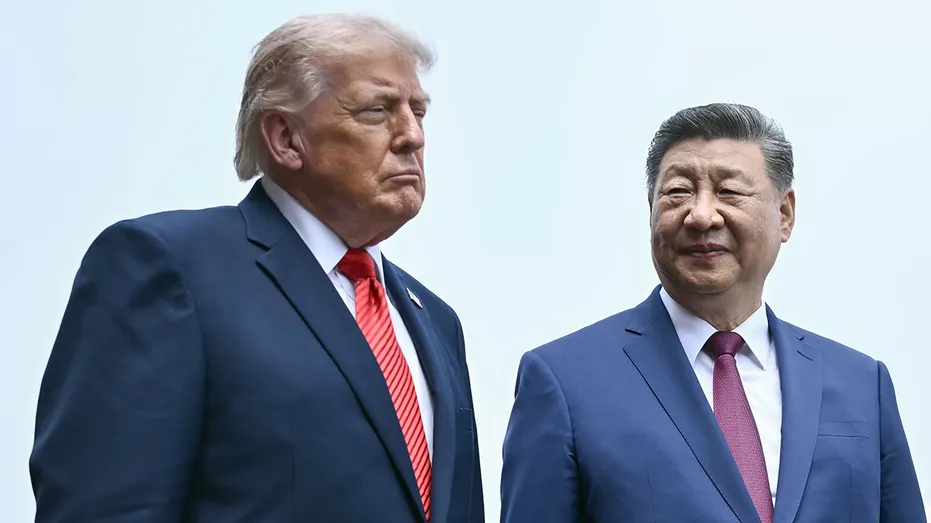
WASHINGTON — President Donald Trump and Chinese President Xi Jinping are set to meet this week at Joint Base Andrews for a high-stakes bilateral summit covering trade tariffs, maritime security, and the boundaries of global technological competition.
A proposed emergency communication link focused specifically on artificial intelligence could become part of the discussions. Treasury Secretary Scott Bessent is preparing to present Trump with a draft agreement establishing a direct “hotline” between Washington and Beijing for AI-related emergencies, according to two sources familiar with the matter. Fox Business Network first reported the proposal.
The channel would provide both nations with an immediate line of contact during incidents involving rogue autonomous systems, national security breaches, systemic hacking, or other unforeseen algorithmic failures. Trump is expected to make a final decision on the proposal this week before his scheduled meetings with Xi.


The mechanism mirrors historic crisis-management frameworks, including military hotlines established during the Cold War to prevent miscalculation between nuclear-armed rivals. Security officials have warned that the absence of dedicated, rapid communication channels between the world’s two primary tech powers represents a significant strategic vulnerability as AI becomes increasingly integrated into critical infrastructure, cybersecurity, and defense frameworks.
The summit comes amid an intense race for global dominance in artificial intelligence, which the Trump administration has framed as a vital national security and economic priority. Trump has repeatedly emphasized the necessity of maintaining a technological lead over Beijing. In earlier public remarks, he declared, “whoever wins AI, wins.”
In a recent statement on Truth Social, Trump described AI as “the next Industrial Revolution, or Internet,” and projected that the sector could eventually account for as much as 25% of the United States’ gross domestic product. At the same time, lawmakers on Capitol Hill have focused on the domestic foundations needed to sustain the country’s technological lead.
Rep. James Comer, R-Ky., chairman of the House Oversight Committee, recently highlighted the infrastructure demands created by the AI boom. He warned of severe strains on the domestic energy grid because massive data centers needed to train and run advanced AI models consume unprecedented amounts of electricity. Comer also pointed to regulatory hurdles challenging American technology firms as they seek to scale their systems faster than state-backed Chinese competitors.
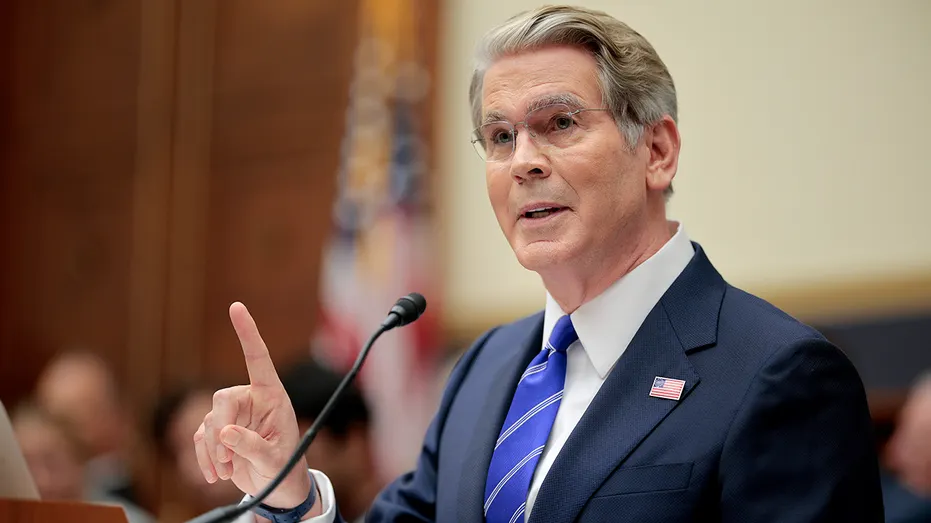
The Treasury Department’s role in drafting the agreement reflects the overlap among national security, international trade, and technological competition. Bessent, who recently testified before the House Financial Services Committee in the Rayburn House Office Building, has been tasked with managing economic relations with China while safeguarding critical dual-use technologies.
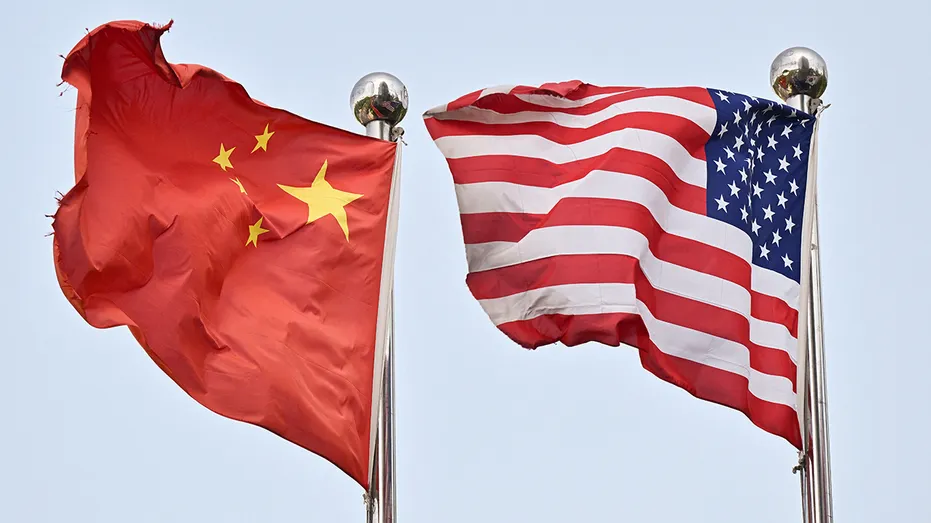
Under current policies, the U.S. has maintained strict export controls on advanced semiconductors and computing equipment to limit China’s domestic AI development, even as the two nations remain deeply integrated trade partners. The proposed AI hotline would address emergencies while those broader economic and technology issues remain part of the relationship.
The upcoming talks represent the latest chapter in direct diplomacy between Trump and Xi, who previously held bilateral talks during a May 2026 meeting at the Temple of Heaven in Beijing. According to the White House, Xi is scheduled to arrive at the military facility in Maryland on Wednesday.
Trump and Xi will spend Thursday and Friday in discussions. Whether the AI hotline proposal is formally signed during the summit depends on Trump’s final assessment of the agreement’s terms this week.










4 Comments