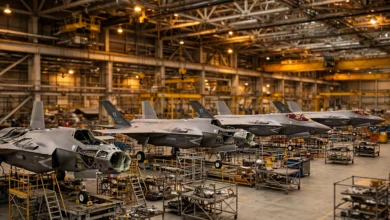
The Pentagon’s 850-Jet F-35 Framework Still Needs Congress to Become a Contract
The October 22 framework sets 156 jets a year across Lots 21–30, but pricing, schedules and the variant split are still open, and federal law requires Congress to grant multiyear authority in both an authorization and an appropriations act before a formal award.
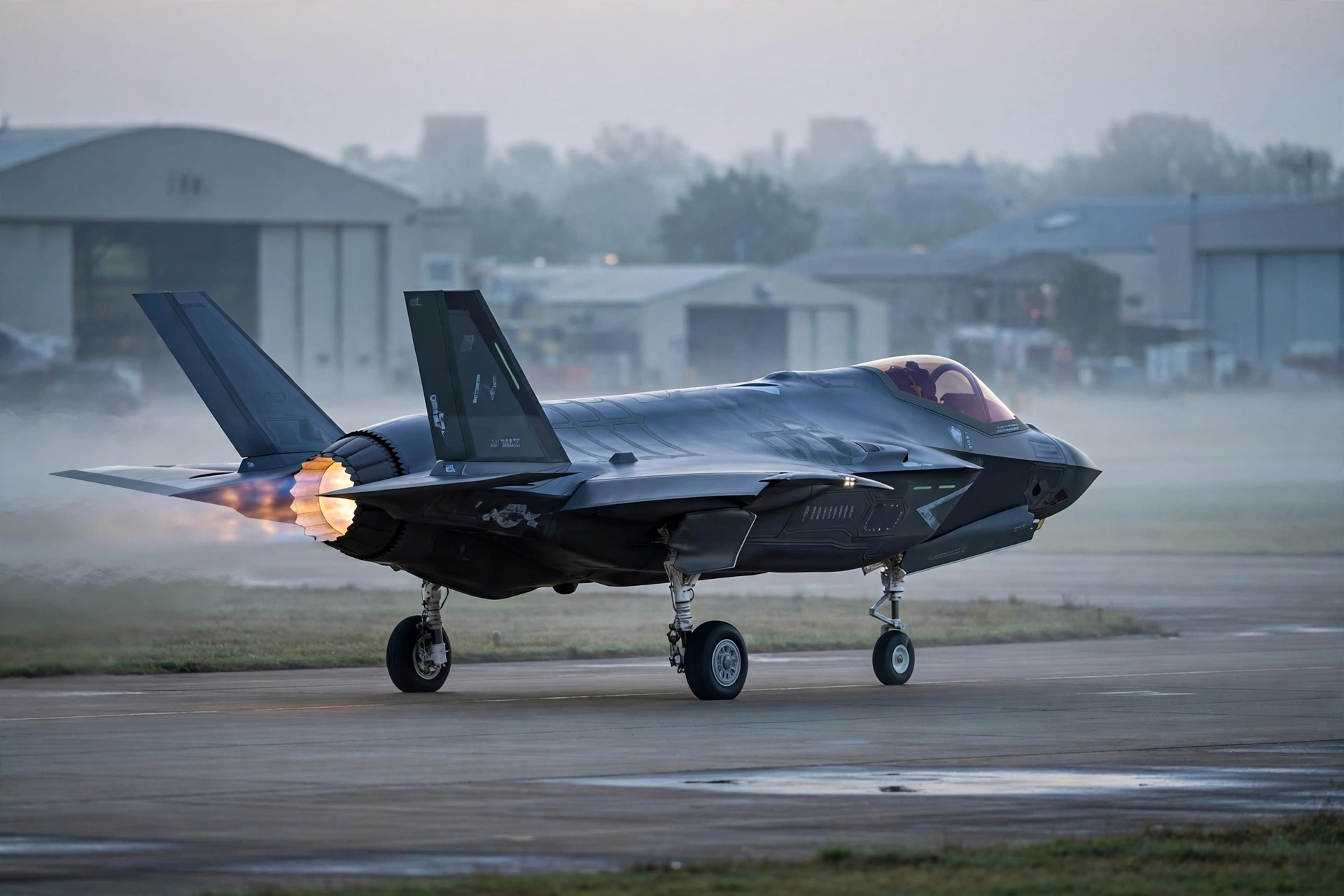
Read Thursday’s F-35 announcement past the headline numbers and find the conditional in its second paragraph: final terms, pricing, schedules and the formal contract award all wait on Congress granting multi-year authority in the coming months. Reuters translated the legalese in one line: the agreement “does not constitute an order.”
Lockheed Martin and the Pentagon signed what the releases call an initial production and sustainment agreement: at least 850 U.S. F-35s over ten years, initial spares, a decade of modification kits and sustainment, and international customer orders, all inside production Lots 21 through 30 at 156 aircraft a year. The Pentagon called the framework “landmark” and a first of its kind, according to Air & Space Forces magazine. Lockheed pledged at least $7 billion of its own money into program-supporting initiatives, and estimates the decade will support 317,000 U.S. jobs.
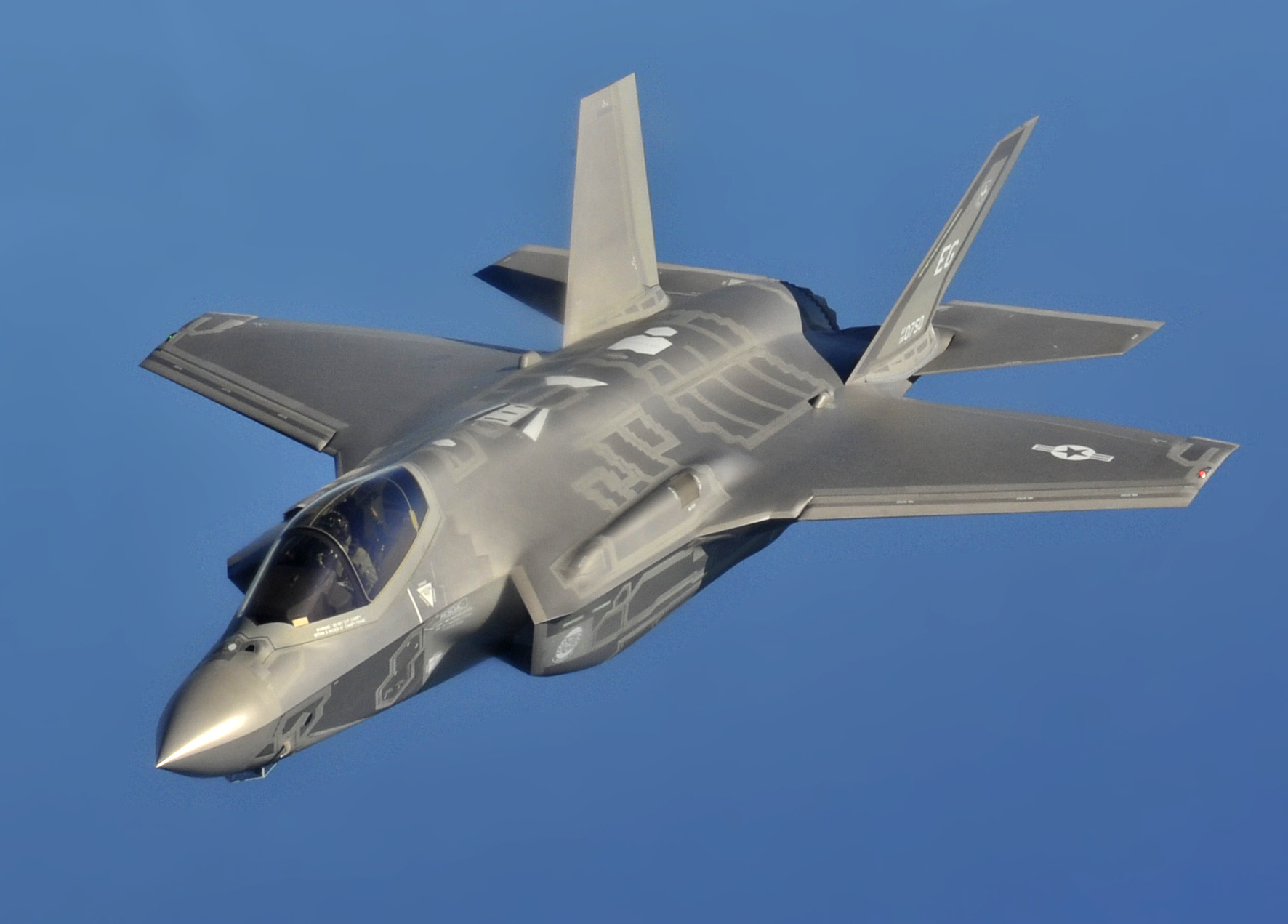
The precedent is nine years old. That April, the Pentagon awarded Lockheed a $1.377 billion long-lead contract for a three-lot “block buy” (130 American and foreign jets in Lot 12, 110 foreign jets in Lots 13 and 14) while the U.S. services kept buying their own aircraft under separate annual contracts. Multiyear procurement requires full-rate production, which the F-35 was still working toward; the program office’s director told the Senate the American jets would stay on yearly buys. The barrier fell on March 12, 2024, when the Pentagon approved Milestone C and full-rate production. Thursday’s framework is the first American multiyear F-35 buy since that approval.


Congress makes the next move. The vehicle already exists. Senators Ted Budd and Jeanne Shaheen wrote the multiyear procurement language; the Senate Armed Services Committee advanced it 18–9 in June inside the fiscal 2027 defense authorization bill, and the House version carries a similar provision. Federal law sets a second condition. Above $500 million, a multiyear contract needs specific authority in an authorization act and, separately, funding in an appropriations act. The House draft adds two tests of its own: the defense secretary must certify each jet ships with its full complement of initial spares, and the Pentagon must show savings of at least 5 percent.
Once Congress grants the authority, the Joint Program Office and Lockheed negotiate the actual contract: final pricing, delivery schedules, and one open item: how many of each variant, and how many jets go to the Air Force, Navy and Marine Corps. The last priced baseline is public: the Lots 18–19 contract, 296 aircraft for more than $24 billion, worked out to about $82.4 million per airframe, and the “volume discounts” Thursday promised will be measured against it. Lockheed executives told investors the next lot, Lot 20, is still in negotiation. It should close next year. The factory’s recent output trails the pledge: 2025 set a program record at 191 deliveries, while the first nine months of 2026 produced 94, about 125 on an annualized basis against the 156-a-year line (deliveries lag production, and the fourth quarter is usually the heaviest).
“We want them to have production stability, just as we would like to have it,” Jim Taiclet told investors on Lockheed’s third-quarter earnings call, in remarks reported by Air & Space Forces magazine. The mechanism he described is a fixed-price contract with an economic escalator, reversing the old rule that clawed those gains back. “We’ll all collectively — if we do well and perform well, and those investments pay off that we make — we will get to retain those profits under the fixed-price-with-escalator concept,” Taiclet said. “Before, we would have to give back, with price and operating profit, any improvements we invested in internally.” The Pentagon’s version of the same idea came from acquisition chief Michael Duffey: “aligning financial incentives with actual performance.”
1,560 is the framework’s other number: 156 jets a year for ten years. The U.S. takes at least 850 of those production slots, which leaves up to 710 for international customers across Lots 21 through 30, nearly half the decade’s output. A Lockheed spokesperson told Breaking Defense the agreement “will not change the process for production slot allocation.” Slot ownership stays with the Joint Program Office for every F-35 customer, American or foreign. “F-35 international operators are an integral part of the global F-35 fleet,” the spokesperson said, “and this agreement will bring the benefit of economies of scale to their future purchase plans.” Thirteen countries fly it from home soil.
The sustainment half of the framework is the least settled. The authorization bills in both chambers stop short of expressly permitting a multiyear sustainment agreement, and Lockheed’s earlier push for a five-year performance-based logistics deal fell short of the cost-or-readiness certification Congress required. In September, Lockheed’s sustainment chief Dina Halvorsen told reporters “a multi-year performance-based contract is still in discussion,” adding: “I wouldn’t necessarily call it a PBL.” The sustainment terms are still being negotiated. More than 1,375 F-35s are fielded today, the fleet has passed a million flight hours, and the jets operate from 42 bases worldwide.