

Switzerland breaks free from Microsoft as military leads open-source revolt
Swiss military leads open-source migration from Microsoft by 2026
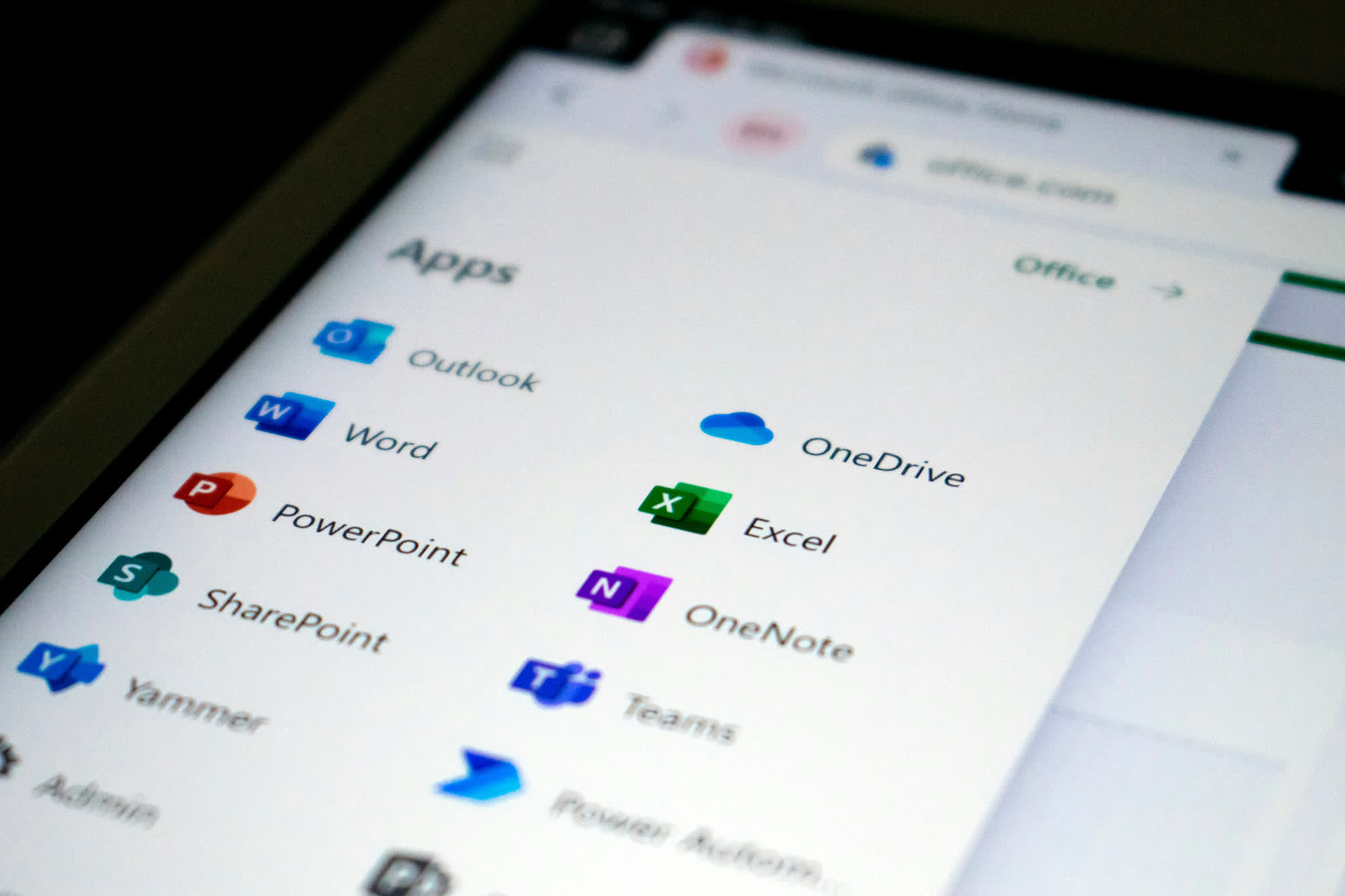
Switzerland’s Cyber Command is scheduled to fully migrate its systems from Microsoft 365 to an open-source collaboration suite by October 2026. This accelerated timeline for the Swiss Armed Forces comes as civilian offices begin with phased rollouts. The strategy is underpinned by Switzerland’s Federal Act on the Use of Electronic Means for the Fulfilment of Authorities’ Tasks—known as the EMBAG law—which entered into force on January 1, 2024.
According to Matthias Stürmer, a professor at the University of Bern and a prominent advocate for digital sustainability, dependence on proprietary American software leaves critical Swiss infrastructure vulnerable to foreign surveillance. Stürmer has also highlighted the economic pressure driving the transition, pointing to recurring, sharp increases in annual licensing and subscription fees imposed by dominant software vendors. The law establishes an “open by default” mandate, requiring public bodies to prioritize open-source software (OSS) whenever possible to promote transparency, security, and digital sovereignty.
To execute the migration, Bern is adopting openDesk, a customized suite of productivity and communication tools designed by the German Centre for Digital Sovereignty (ZenDiS). ZenDiS was established by the German Federal Ministry of the Interior to foster public-sector digital independence. A primary driver of this shift is the U.S. Clarifying Lawful Overseas Use of Data (CLOUD) Act of 2018. Under the CLOUD Act, U.S. federal law enforcement can compel American technology companies to hand over data stored on servers abroad, creating a fundamental conflict with European data protection frameworks.


The openDesk platform integrates several independent open-source technologies—including Nextcloud for file management, Open-Xchange for email, and Collabora Online for document editing—into a single, secure interface. The civilian phase of the migration is backed by an initial budget of 9 million Swiss francs (approximately $11 million USD). The Federal Chancellery plan aims to deploy openDesk across 3,000 workstations by the end of 2027. While this initial deployment represents only about 7 percent of the current federal workforce, successful execution could pave the way for a complete transition of Switzerland’s entire fleet of 54,000 government computers.
The most famous early attempt at large-scale open-source migration in Europe occurred in Munich, Germany, which launched its “LiMux” project in 2004 to migrate municipal computers to a custom Linux distribution. Following political shifts and user complaints regarding compatibility, the Munich city council voted in 2017 to return to Microsoft Windows. The Swiss transition occurs against a backdrop of mixed historical precedents for large-scale open-source migrations in Europe.
Conducted by the Swiss Federal Chancellery, a recent proof-of-concept program named “PoC BOSS” evaluated the performance of openDesk among 172 federal employees who used it as a direct replacement for Microsoft Outlook, Teams, and other office utilities. The Swiss Federal Council declared the proof of concept a success. Testers reported that core administrative functions, such as document processing and email communication, operated smoothly. However, the evaluation also revealed areas requiring development; specifically, the platform’s large-scale video conferencing capabilities experienced technical limitations when compared to the mature infrastructure of Microsoft Teams.
Earlier this year, the German state of Schleswig-Holstein announced plans to transition approximately 30,000 government computers from Microsoft Windows and Microsoft Office to Linux and LibreOffice, signaling that European public sectors are increasingly willing to navigate complex technical migrations to secure long-term digital autonomy. Despite Munich’s early setback, the momentum toward open-source platforms has found renewed strength in northern Europe. The move reflects growing unease among European administrative and defense planners regarding the legal and geopolitical reach of United States tech firms.








One Comment