Subaru Cuts Development Time 40% as Electric STI Mule Emerges
Centralized computing and digital simulations are replacing the automaker's traditional five-year mechanical engineering process.
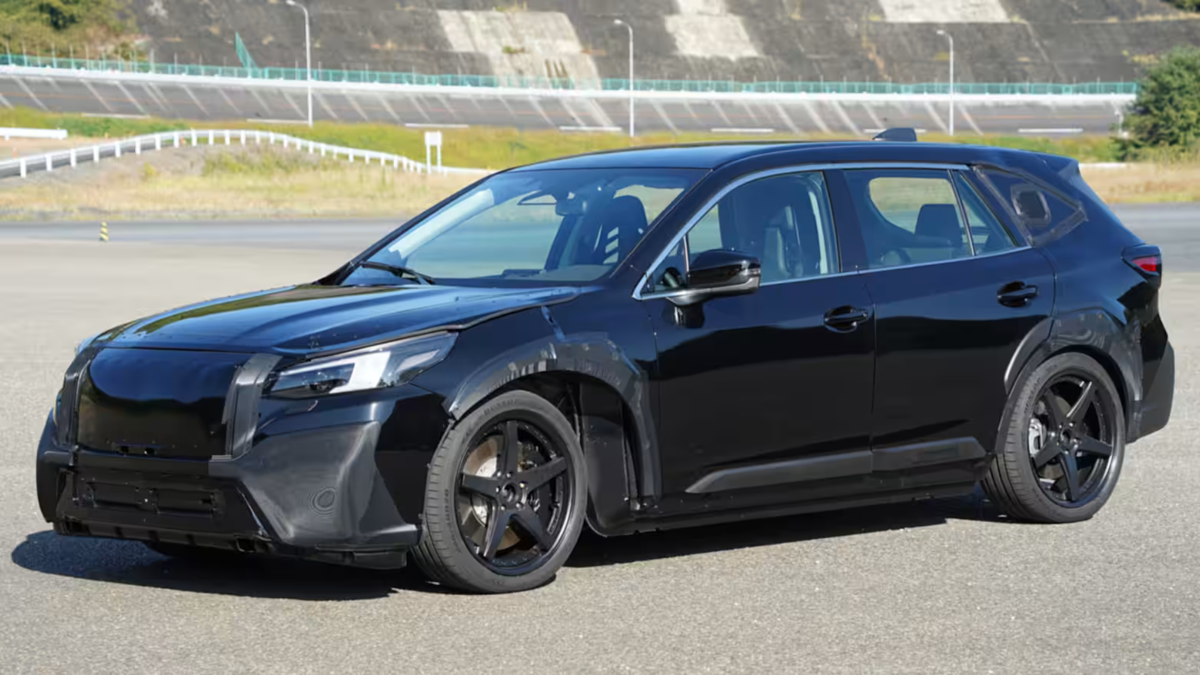
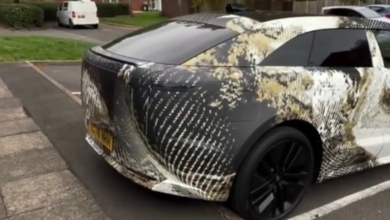
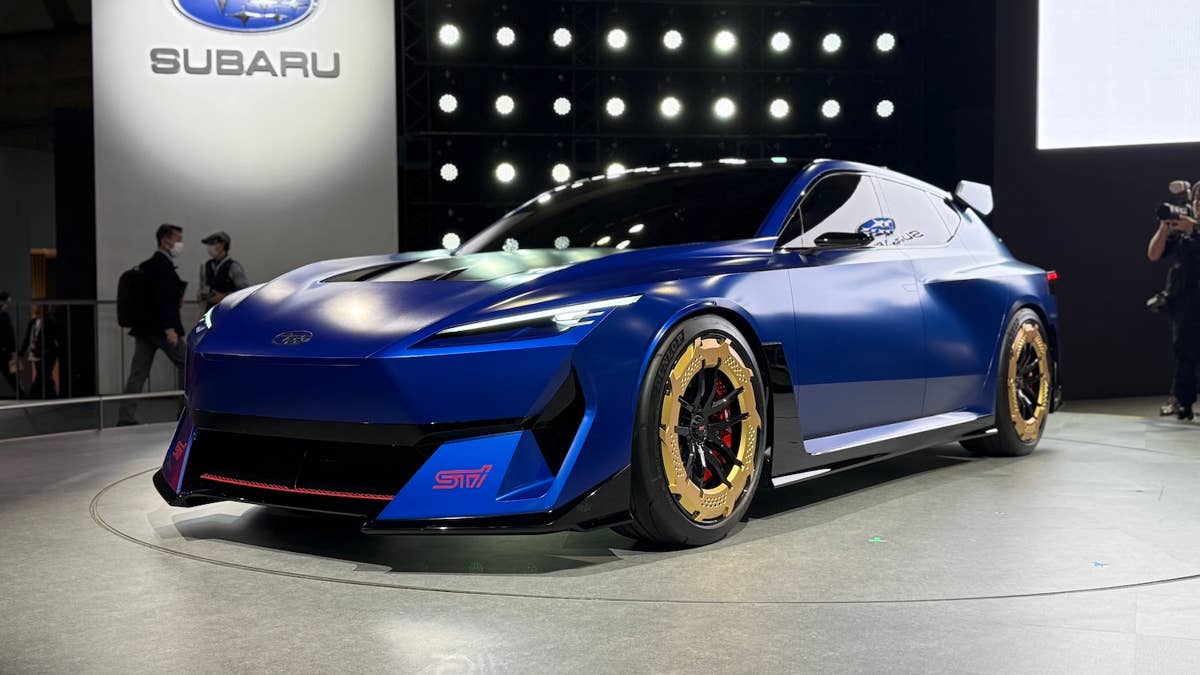
Subaru is cutting its vehicle development cycle by 40 percent, a move already yielding physical prototypes. A heavily camouflaged test mule with a widened wagon silhouette and lowered ride height is currently running the automaker’s proving grounds, according to Japanese outlet Motor Fan. The prototype points directly toward a production version of the Performance-E STI Concept the company teased last year.
The compressed timeline replaces a five-year engineering process that had defined Subaru’s product planning for decades. Centralized computing architectures are driving the shift. Over-the-air updates will increasingly control horsepower delivery and suspension stiffness, prioritizing software over mechanical tuning.
Eiji Shibata, Executive Vice President and Chief Digital Car Officer, told motor-fan.jp: “The vehicles you rode today were either prototypes or models that are already on the market, but we’ll show you what the final product will look like in a few years.”
Domestic competitors are executing similar pivots. Nissan has doubled the speed of its factory workflows by routing complex bottleneck engineering through automated systems. European manufacturers are also leaning into machine learning, with upcoming BMW platforms relying on advanced design algorithms to bypass manual drafting stages.
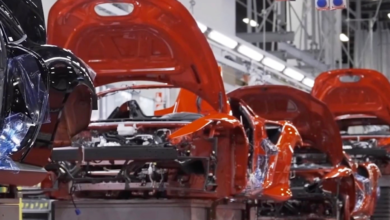
Digital simulation carries execution risks. Ford recently found that automated modeling could not fully replace the intuition of experienced assembly floor workers when resolving physical build issues.
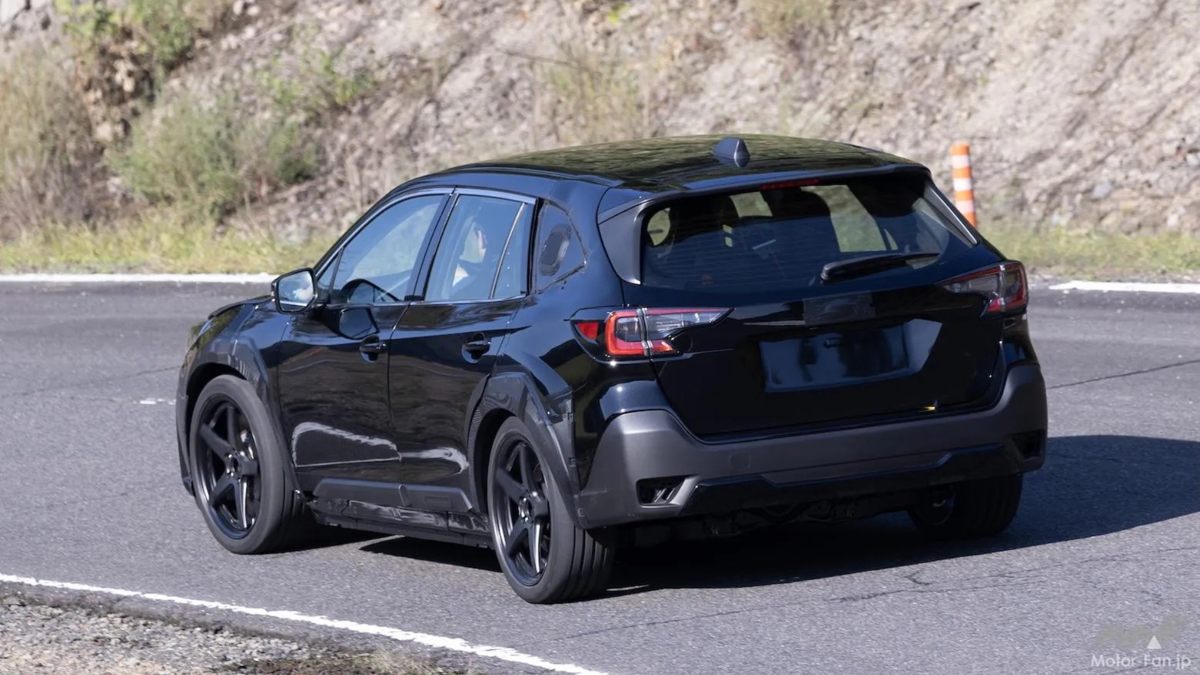
Subaru’s legacy lineup relies heavily on the boxer engine and symmetrical all-wheel drive architecture introduced in the 1990s. Transitioning those mechanical hallmarks into Software-Defined Vehicles requires rebuilding the underlying electrical infrastructure rather than simply swapping powertrains. The aggressive front fascia and muscular rear haunches on the current track-ready mule suggest engineers have packaged high-voltage components low enough to maintain the handling characteristics tied to the STI badge.