Southern California Prepares for a Potential Super El Niño
Flood control crews, residents, and emergency agencies prepare for powerful winter storms

LOS ANGELES — Southern California households are being urged to prepare go bags for rapid evacuations as public safety agencies, flood control operators, and emergency managers mount a large-scale campaign ahead of a possible “super” El Niño winter.
Angel Sauceda, spokesperson for the American Red Cross across Los Angeles, Ventura, Santa Barbara, and San Luis Obispo counties, outlined the recommended supplies: three days of portable supplies and seasonal clothing changes; two weeks of shelf-stable food and water; a 30-day supply of essential prescription medications with a detailed dosage list and basic first aid items; physical regional maps for use during cellular tower outages; dedicated emergency bags for pets containing leashes, portable carriers, food, water bowls, and proof-of-ownership photographs; and hard copies of vital records, including birth certificates, property titles, passports, and policy documents.
The National Oceanic and Atmospheric Administration’s Climate Prediction Center puts the probability of El Niño conditions reaching a “very strong” threshold during the three-month period ending in December at 98%. Forecasters indicate a 75% chance that this cycle could surpass the intensity of any El Niño event recorded since 1950.


Los Angeles County Supervisor Lindsey Horvath has urged residents to enroll in county emergency notification networks and establish localized risk profiles, especially households near canyons, hillsides, recent burn zones, or low-lying floodplains. She emphasized creating immediate evacuation strategies before severe storm tracks materialize.
El Niño is the warm phase of the El Niño–Southern Oscillation (ENSO) cycle. It occurs when surface water temperatures in the central and eastern tropical Pacific Ocean rise significantly above historical averages. In California, major El Niño patterns have historically altered atmospheric jet streams, directing a recurring series of moisture-laden storms known as atmospheric rivers into the state.
The city of Los Angeles has confirmed through Mayor Karen Bass’s office that it is “actively planning” for a super El Niño. Municipal operational leaders are holding regular coordination sessions with the National Weather Service, deploying crews to reinforce wildfire burn scars, and taking targeted action against potential debris flows, flash floods, and high-wind disruptions.
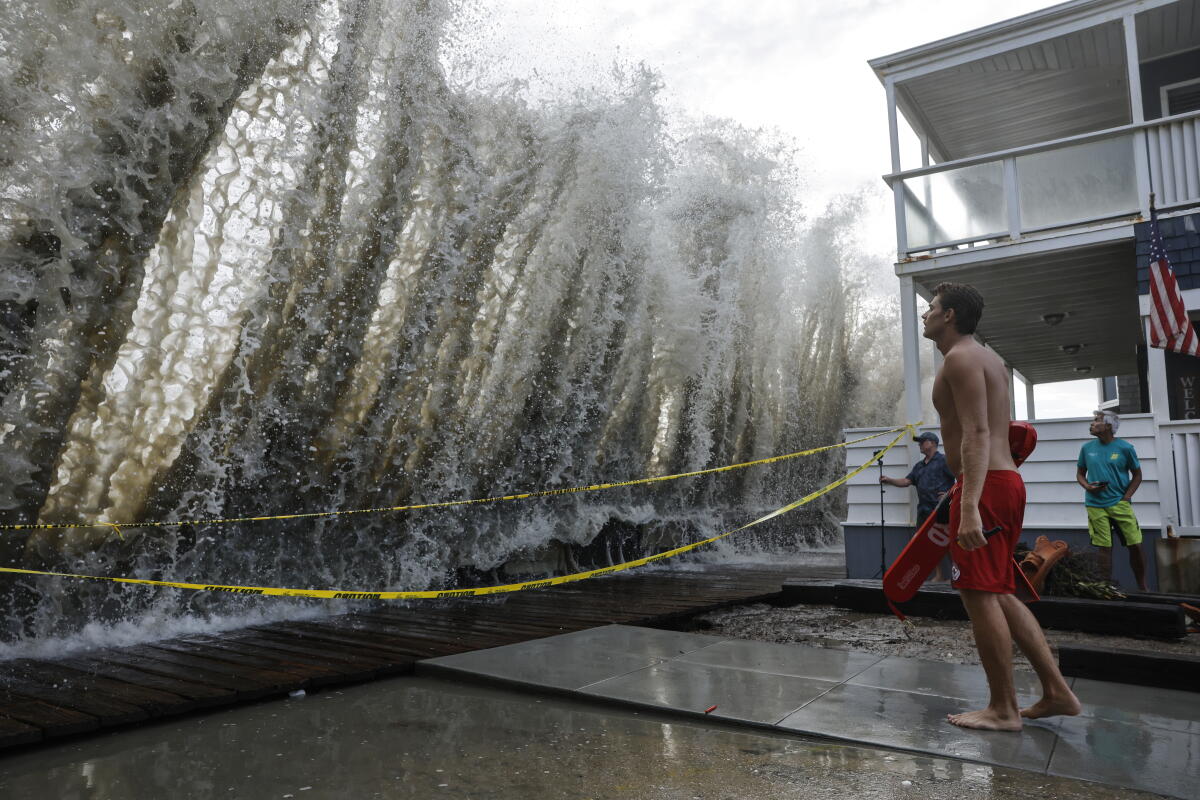
Previous strong El Niño events in 1982–83, 1997–98, and 2015–16 produced prolonged deluges across the Southern California basin. Those storms triggered destructive mudslides, widespread urban flooding, and significant shoreline erosion.
Los Angeles County maintenance crews are clearing sediment from flood control basins to prevent overflow into surrounding communities. The county operates a network of dams, catchments, and debris basins engineered after devastating regional floods in 1938. Workers have been excavating heavy accumulations of mud and debris from the San Gabriel Dam in Azusa, Eaton Wash, and the Devil’s Gate Reservoir in Pasadena to maximize holding capacity ahead of peak winter runoff.
Wildfire burn scars create additional danger because fires remove vegetative canopy and alter soil chemistry, producing a hydrophobic layer that prevents rainfall infiltration. Heavy rain on bare slopes can rapidly dislodge ash, rocks, and boulders, creating fast-moving debris flows that threaten downhill structures and roadways.
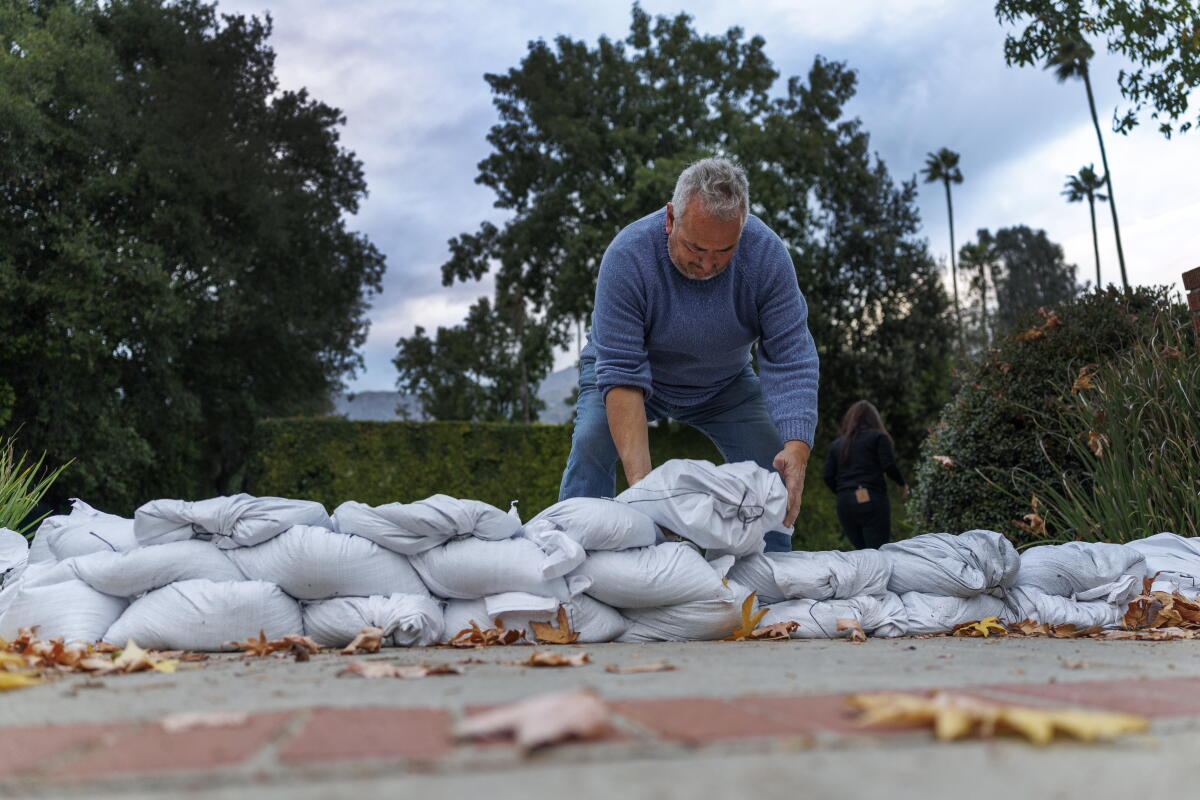
The regional infrastructure strategy is accompanied by advice from civil engineers, landscape experts, and emergency management personnel to private property owners securing structural defenses. Landscape architect Esther Margulies, director of the graduate programs in landscape architecture and urbanism at the University of Southern California, advises residents to inspect drainage channels, confirm that they are free of obstructions, and ensure that they discharge toward municipal street curbs. She recommends testing residential drains with a garden hose and installing sump pumps in low-lying crawl spaces prone to dampness.
Rain barrels placed at downspouts can collect concentrated roof runoff for post-storm irrigation and reduce localized saturation. Margulies also advises aerating compacted lawn soils and removing non-permeable hardscaping to restore natural groundwater infiltration. On steep terrain vulnerable to surface erosion, native ground covers such as buckwheat and coyote brush can form a stabilizing matrix over the soil, although their root networks require months to fully establish.
Stormwater management also affects coastal environmental health. Urban runoff enters Southern California municipal separate storm sewer systems, or MS4, which discharge untreated rain, heavy metals, lawn fertilizers, and chemical contaminants into streams, rivers, and coastal bays. Margulies highlighted the need to secure open paint containers, chemical fertilizers, and loose yard products before rainfall carries pollutants into oceanic ecosystems.
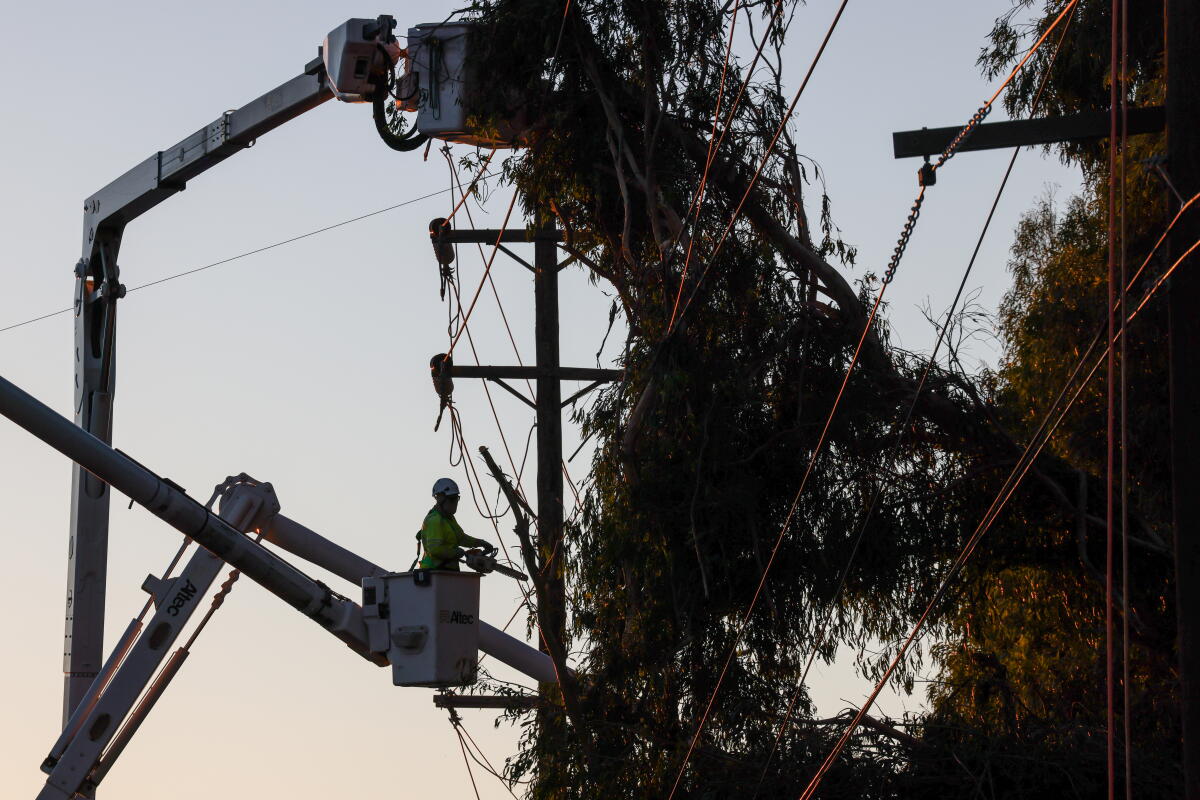
Tree maintenance is another part of storm preparation. Alison Lancaster, a Santa Monica-based licensed consulting arborist, stresses independent evaluations by credentialed experts to identify structural flaws, limb decay, and weak attachments. She cautions against tree topping, which reduces main branches to stubs, as well as indiscriminate interior thinning; both practices weaken tree structure and accelerate decay.
Dead palm fronds should be professionally removed before storm season because wind gusts frequently turn dry fronds into hazards capable of knocking down power lines. Roofs require attention as well. Terry Heller, owner of Preferred Roofing in Southern California, recommends professional inspections for structures with a history of leaks or roofs older than 12 years. During heavy, active rainstorms, contractors are generally limited to temporary measures such as installing tarps.
Heller recommends checking contractor credentials through the California Contractors State License Board to confirm proper licensure and insurance coverage before hiring service teams.
Insurance planning is also changing alongside climate risks. Amy Bach, executive director of the consumer advocacy group United Policyholders, said extreme weather patterns are expanding severe water damage risks beyond traditional riverine floodplains. She recommends obtaining flood insurance quotes regardless of proximity to major bodies of water because standard homeowners policies typically exclude surface water flooding.
Insurers have increasingly tightened policy wording for internal water damage, lowering payout caps and restricting coverage definitions. Bach recommends making a comprehensive digital video inventory of property, including high-value personal effects stored in closets and drawers, and emailing the footage to an accessible off-site account to streamline post-disaster claims processing.
Roadway safety organizations are preparing for hazardous driving conditions. AAA spokesperson Kandace Redd said emergency roadside calls spike significantly during initial atmospheric river events, primarily because of vehicle maintenance oversights. Drivers should test car batteries, verify brake responsiveness, and measure tire tread depth. In a standard test, visible clearance above George Washington’s head after an inverted U.S. quarter is inserted into the tread indicates that the tire requires replacement to prevent hydroplaning on slick asphalt.
Windshield wiper blades generally degrade after six to twelve months of sun exposure and should be replaced when they squeak, chatter, or leave streaks. Redd warned drivers not to cross inundated roadways: 12 inches of moving water can exert enough buoyant force to carry away standard passenger vehicles, while 24 inches of moving water can sweep away heavy trucks and SUVs.
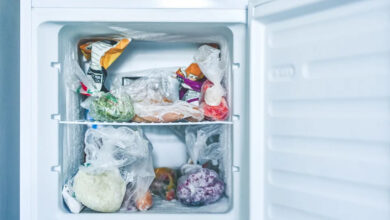
Sauceda also noted a protective archival method for original documents. Critical papers can be sealed inside labeled, water-tight freezer bags and stored directly in home freezers. Freezers are engineered to resist physical impacts and thermal exposure, providing structural protection if a residence is damaged or red-tagged following a severe storm event.