Smithsonian Zoo Cheetah Cubs Born Oct. 5: Watch Live Cam
Mother Zura delivered the five-cub litter at the Virginia conservation facility, which uses genomic data to protect the species from extinction.
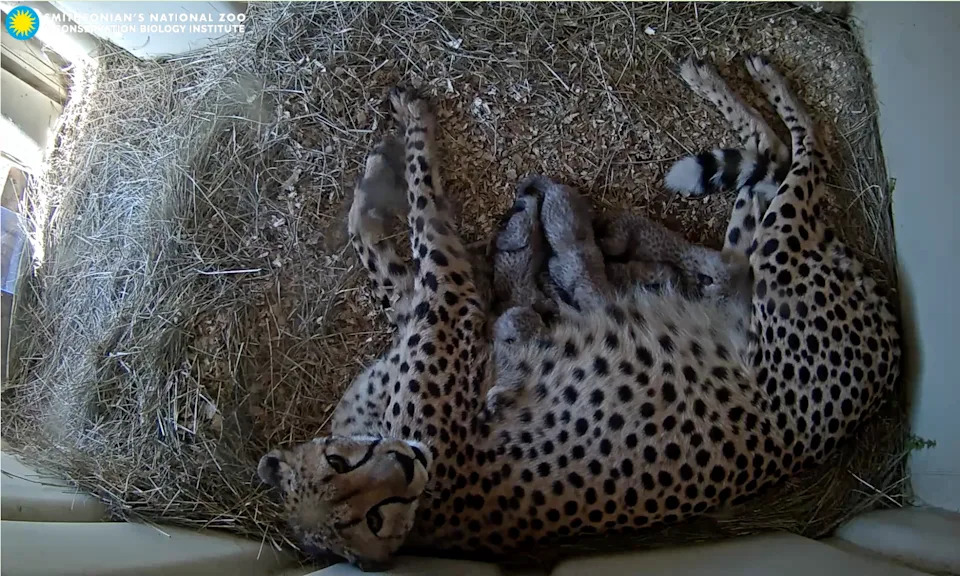
Five cheetah cubs born Oct. 5 at the Smithsonian National Zoo and Conservation Biology Institute in Front Royal, Virginia, are now visible to the public through a live den camera, marking the latest success for a North American breeding network racing against a collapsing wild population.
The litter was delivered by Zura, a female cheetah who has lived at the facility since 2021. The cubs remain confined to their maternity den during these critical first weeks, a period when neonatal mortality in managed cheetah populations historically runs high due to maternal inexperience, infectious disease, or failure to thrive. Keepers rely on the closed-circuit feed to monitor nursing frequency, weight-gain indicators, and maternal behavior without introducing the stress of physical intrusion.
Unlike domestic cats, cheetahs vocalize through chirps, stutters, and purrs rather than typical meows. Observers tuning into the feed can hear these sounds as the cubs communicate with Zura and begin interacting with one another. Early play-fighting and mutual grooming visible on the camera serve essential developmental functions, building the neuromuscular coordination required for high-speed pursuit hunting later in life.

The birth carries weight far beyond a single litter. Fewer than 7,000 cheetahs survive across fragmented African savannas today, according to International Union for Conservation of Nature assessments. The species is classified as vulnerable globally, with specific regional populations, such as the Northwest African cheetah, listed as critically endangered. Habitat conversion for agriculture and an escalating illegal wildlife trade continue to drive the decline. Traffickers frequently smuggle cubs from East Africa and the Horn of Africa toward Gulf State markets, packing them into small containers where dehydration and stress kill the majority before they reach buyers.
To counteract both wild losses and the genetic bottlenecks inherent in captive populations, the Smithsonian operates within the Cheetah Breeding Center Coalition. This cooperative manages breeding recommendations across participating institutions using detailed studbooks and genomic data. Because cheetahs suffered a severe population bottleneck near the end of the last Ice Age, modern individuals share remarkably low genetic diversity. Unmanaged mating in captivity quickly leads to inbreeding depression, compromising immune function and reproductive viability. The coalition’s matching protocols aim to maximize heterozygosity across the managed North American population.
Cheetah reproduction under human care presents distinct biological hurdles. Females are induced ovulators that often require carefully orchestrated introductions to compatible males, sometimes involving multiple facilities transporting animals across states to find a successful pairing. The Smithsonian’s Front Royal campus serves as a dedicated research hub for refining these techniques, separate from the main public exhibition grounds in Washington, D.C.
Viewers can access the live stream directly through the Smithsonian’s official portal at nationalzoo.si.edu/webcams/cheetah-cub-cam. The cubs are expected to make their outdoor debut in the coming months once veterinary staff confirm they have reached sufficient developmental milestones and received necessary preventive care.