SEC Power Shift Meets $3.16 Trillion Crypto Surge
Bitcoin ETF inflows rise as the SEC enters an all-Republican era

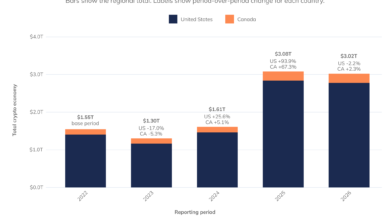
WASHINGTON / NEW YORK — The global cryptocurrency market capitalization rose 1.5% to $3.16 trillion as institutional and retail capital moved into digital assets at the start of the new year. The market was led by steady gains among major layer-one assets and explosive speculative trading in alternative tokens.
On January 2, 2026, Democratic SEC Commissioner Caroline Crenshaw officially departed the U.S. Securities and Exchange Commission, leaving behind an all-Republican commission. Crenshaw joined the agency in 2020 and was historically one of its most vocal critics of cryptocurrency integration into mainstream finance.
U.S. spot Bitcoin ETFs recorded $471 million in net inflows on the first trading day of 2026. That was the highest single-day inflow total since November 11, signaling robust institutional demand as investment managers reallocate capital for the new fiscal year.

Crenshaw famously dissented against the approval of spot Bitcoin exchange-traded funds (ETFs) in early 2024. Her departure marks a pivotal moment for digital asset regulation in the United States, as the SEC transitions away from the enforcement-heavy stance that characterized much of the mid-2020s. The remaining commissioners are expected to chart a highly anticipated, more accommodative regulatory framework for digital assets.
Bitcoin (BTC) climbed 2% to $93,000, while Ethereum (ETH) rose 1% to reach $3,175. Binance Coin (BNB) posted a 2.5% gain, climbing to $906, and Solana (SOL) edged up 1% to trade at $135.
Traditional financial services firms are also deepening their footprint in the blockchain ecosystem. PwC, one of the “Big Four” accounting and consulting firms, announced a strategic expansion of its digital asset services, with a heavy focus on stablecoins and payment infrastructure. The firm plans to assist enterprise clients in integrating blockchain-based settlement systems and navigating emerging compliance standards.
While the blue-chip cryptocurrencies posted modest, steady growth, high-beta speculative assets and decentralized artificial intelligence protocols experienced far higher volatility. Meme coins substantially outperformed the broader market, led by Pepe (PEPE), which surged 67% over the trading period.
Among other top market movers, Virtuals, a protocol focused on AI-generated virtual agents, led gainers with a 24% rally. Render (RENDER), a decentralized GPU rendering network, rose 17%, while decentralized file-sharing protocol BitTorrent (BTT) and AI-focused Fetch.ai (FET) both recorded 11% gains.
As institutional interest shifts toward payments and stablecoins, decentralized finance (DeFi) developers are focusing on user-experience hurdles that have historically kept retail users on centralized platforms. Kain Warwick, the founder of Infinex, discussed the sector’s technical evolution in a recent interview.
Infinex was designed to replace the complex user interfaces of typical DeFi protocols with a seamless, non-custodial account system. The platform’s ongoing efforts aim to bridge the gap between centralized and decentralized environments by eliminating the friction points of managing seed phrases, gas fees, and multi-chain bridging.
Warwick emphasized that the next phase of market growth will depend on secure, non-custodial infrastructure that can match the convenience of traditional fintech applications, especially as regulatory clarity under a revised SEC begins to take shape.