NYC Subscription Cancellation Law Takes Effect: What the Click-to-Cancel Rule Requires
Businesses face $525 minimum fines and potential refund orders if they fail to match their cancellation process to their signup method.
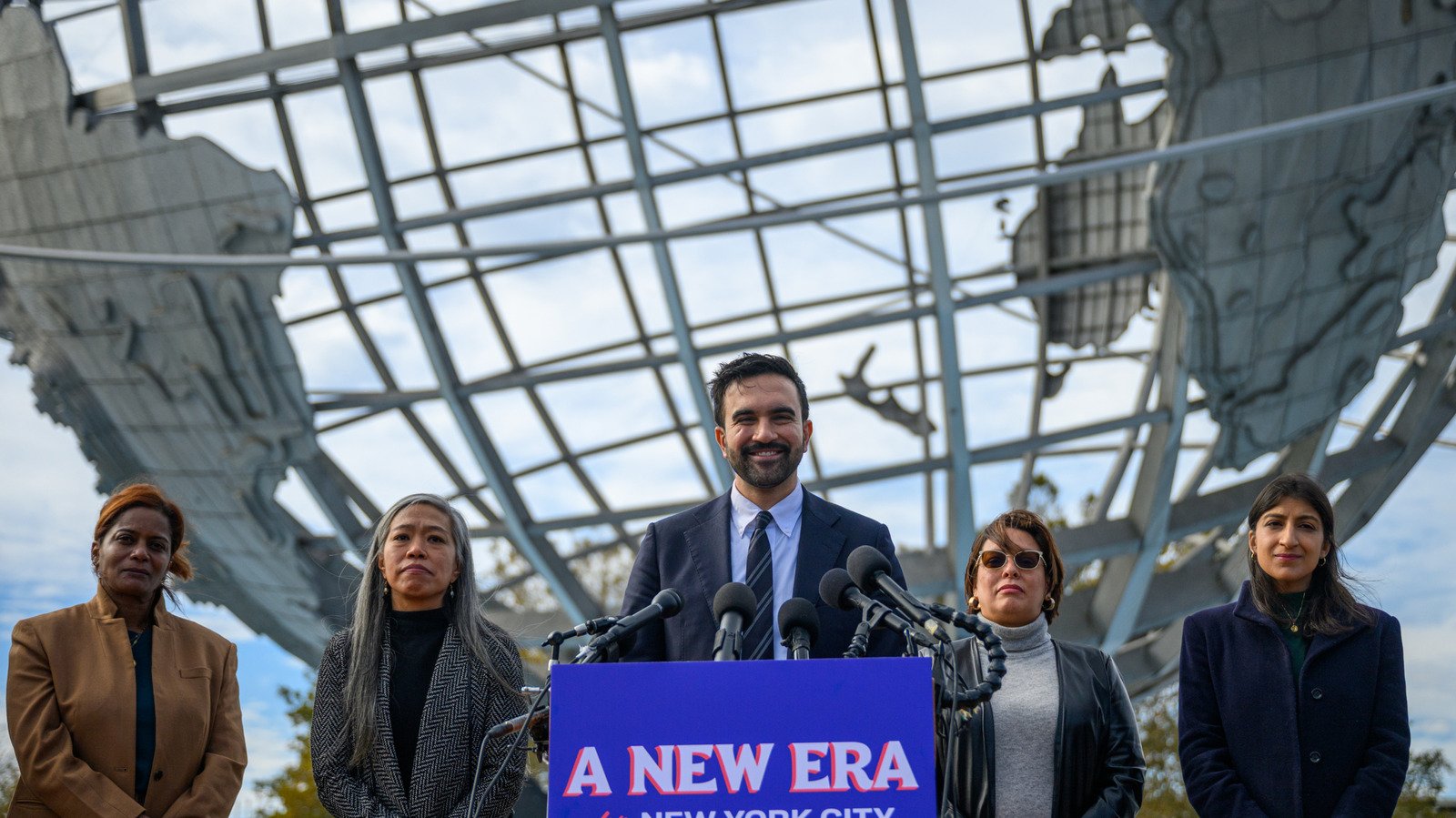
New York City businesses must now allow customers to cancel subscriptions using the exact same method they used to sign up, under a consumer protection rule that took effect Friday. The mandate ends the long-standing practice of companies offering frictionless online enrollment while forcing cancellations through phone queues, mailed letters, or in-person visits.
Mayor Zohran Mamdani announced the legislation in July, positioning New York as the first U.S. municipality to codify click-to-cancel protections. The Department of Consumer and Worker Protection will enforce the measure, with civil penalties starting at $525 per violation. Beyond fines, the rule opens a pathway for consumers to recover funds already charged during periods when cancellation was improperly obstructed.
The regulation applies broadly across subscription-based services operating within city limits. Fitness chains with heavy New York footprints — including Planet Fitness, Crunch, and LA Fitness — face immediate compliance pressure, given their historical reliance on complex cancellation procedures that frequently required certified mail or club visits regardless of how the membership originated. Streaming platforms, software providers, meal-kit deliveries, and digital news outlets selling subscriptions to city residents are equally bound by the requirements.


Under the new framework, companies cannot merely offer a cancellation button buried behind multiple screens. They must clearly explain all subscription terms upfront and disclose every consumer right related to purchasing or terminating a service. A provision targeting promotional traps also prohibits businesses from requiring customers to return or ship back items that were originally provided for free during signup.
Consumers encountering resistance can file reports directly through a city complaint form. The administration specifically designated delayed cancellations and unnecessarily complicated exit processes as actionable violations.
The municipal rule fills a regulatory vacuum left by stalled federal efforts. Former Federal Trade Commission Chair Lina Khan championed a national click-to-cancel proposal that would have applied similar standards across the country. That initiative collapsed after the Trump administration restructured FTC leadership and a federal appeals court blocked the agency’s authority to implement it. Khan now serves as the unpaid chair of the board of directors for the New York City Economic Development Corporation within the Mamdani administration, providing a direct link between the abandoned federal blueprint and the local policy now active in the nation’s largest city.
While New York is the first municipality to act, several states have independently pursued subscription reform. California’s Automatic Renewal Law, updated recently to require immediate online cancellation for any service sold online, represents the most aggressive state-level parallel. Other jurisdictions, including Colorado and Virginia, have layered disclosure requirements into existing consumer protection statutes, though few match the specificity of New York’s same-method cancellation mandate.
The $525 baseline penalty functions as a starting point rather than a ceiling. The Department of Consumer and Worker Protection holds discretion to escalate fines for repeat offenders or companies demonstrating systemic noncompliance, mirroring enforcement structures used in other municipal consumer codes.
City residents who suspect a business is violating the mandate can submit documentation through the Department of Consumer and Worker Protection’s online portal as of this morning.