Newsom Fire Probe Exposes L.A. Agency Failures in Jan 2025
The 724-page FSRI report documents ignored smoldering hot spots, fractured incident command, and fatal evacuation delays in west Altadena.
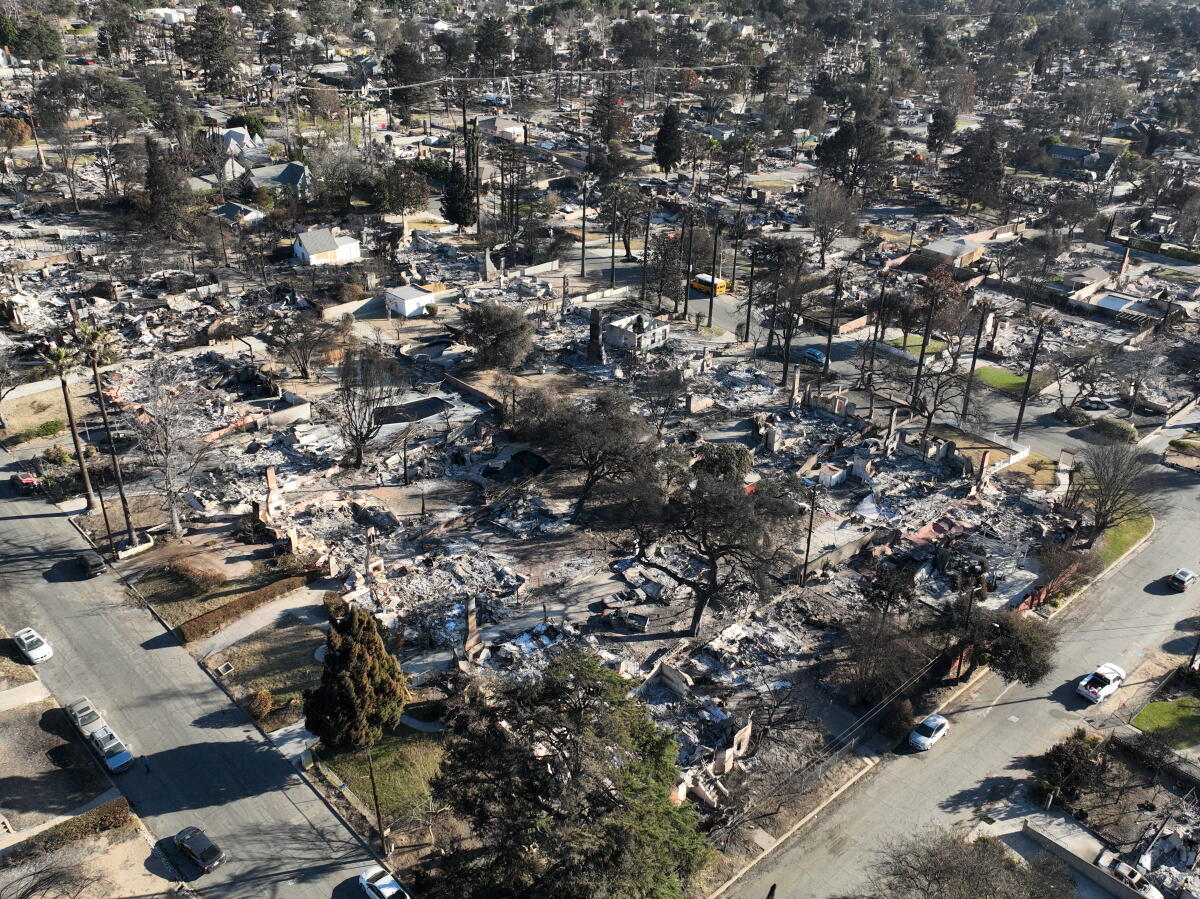
A 724-page independent investigation into the January 2025 Los Angeles wildfires has documented severe breakdowns across local and county emergency agencies, revealing how miscommunication, inexperienced leadership, and ignored warnings directly contributed to 31 deaths and the destruction of more than 16,000 structures.
Commissioned by Gov. Gavin Newsom and conducted by the UL Research Institutes’ Fire Safety Research Institute (FSRI), the assessment released Friday delivers the most unvarnished account to date of the Palisades and Eaton fires. The findings move beyond the extreme Santa Ana wind conditions that drove the blazes, focusing instead on preventable institutional failures within the Los Angeles Fire Department (LAFD), the Los Angeles County Fire Department, and allied agencies.
The report confirms that the deadliest consequences stemmed from a fractured communication chain in west Altadena during the Eaton fire. Paramedics responding to calls near Glenrose and West Loma Alta Drive observed an ember storm falling “like snow” onto burning structures. Because their squad was operating independently and had not been formally assigned to the incident command at the Rose Bowl, those observations never reached decision-makers.


Sheriff’s deputies were already going door-to-door and using patrol car public address systems to urge evacuations more than three hours before official alerts went out. Yet the formal evacuation order for most of western Altadena did not issue until 3:25 a.m. on Jan. 8—over four hours after the first 911 call from west of Lake Avenue. Eighteen of the 19 people killed in the Eaton fire died in this specific zone. Investigators concluded that several victims likely perished without knowing the fire’s proximity or their evacuation status, underscoring how delayed warnings disproportionately harm vulnerable populations who require additional time to mobilize caregivers or neighbors.
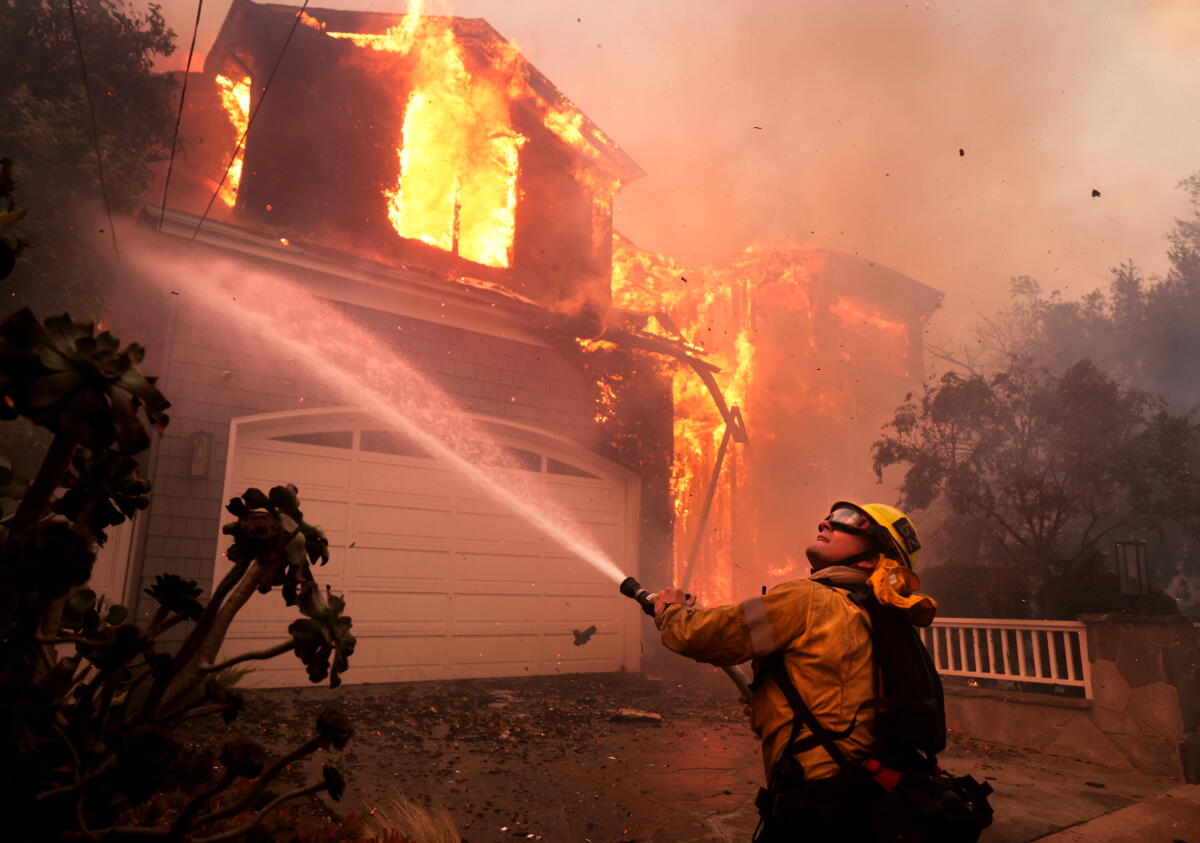
Even if ground reports had successfully penetrated the Rose Bowl command center, the infrastructure waiting to receive them was fundamentally compromised. Evacuation operations were never formally organized within the incident command structure. When commanders finally heard a radio report at 2:19 a.m. indicating the fire was pushing west, they had to consult physical maps before instructing the Office of Emergency Management to act. That sequence consumed over an hour. The final evacuation zone in west Altadena received its alert at 5:50 a.m., long after the neighborhood had been ravaged. Commanders remained unaware of the scale of destruction in west Altadena until daylight.
Compounding the blindness on the ground, incident commanders failed to utilize satellite imagery after high winds grounded aerial reconnaissance aircraft. Aside from a single Angeles National Forest official, personnel interviewed by investigators did not reference the federally operated FireGuard program, which provided imaging showing the blaze shifting westward as early as 9 p.m. on Jan. 7. The L.A. County Fire Department stated it has since integrated FireGuard into its operational protocols.
Across the city, the origins of the Palisades fire traced back to bureaucratic complacency following a much smaller blaze. The Lachman fire ignited inside Topanga State Park on Jan. 1 and was contained the same morning. Over the next two days, multiple LAFD personnel raised alarms. A captain objected to removing a hose line needed for mop-up operations and later spotted smoke. A firefighter paramedic identified a hot spot and warned that control lines were poorly defined. A battalion chief ordered the hose removed anyway.
When another smoke report arrived on Jan. 3, responding officials saw nothing and closed the matter. The FSRI investigation found no evidence that the LAFD returned to patrol the burn scar as critical fire weather approached—a direct violation of standard wildland firefighting doctrine, which requires reassessing recently controlled areas ahead of Red Flag Warnings or low-humidity events. The department also lacked comprehensive mop-up procedures for wildland fires, creating dangerous ambiguity about when containment is verified and when crews can be safely released.
Topanga State Park’s own planning exacerbated the vulnerability. Investigators found that the park’s draft Wildfire Management Plan was created without input from fire agencies. State Parks personnel consistently prioritized environmental concerns over fire suppression needs, requesting that LAFD crews cover a trail cut through unburned vegetation to prevent public access rather than focusing on securing the perimeter.
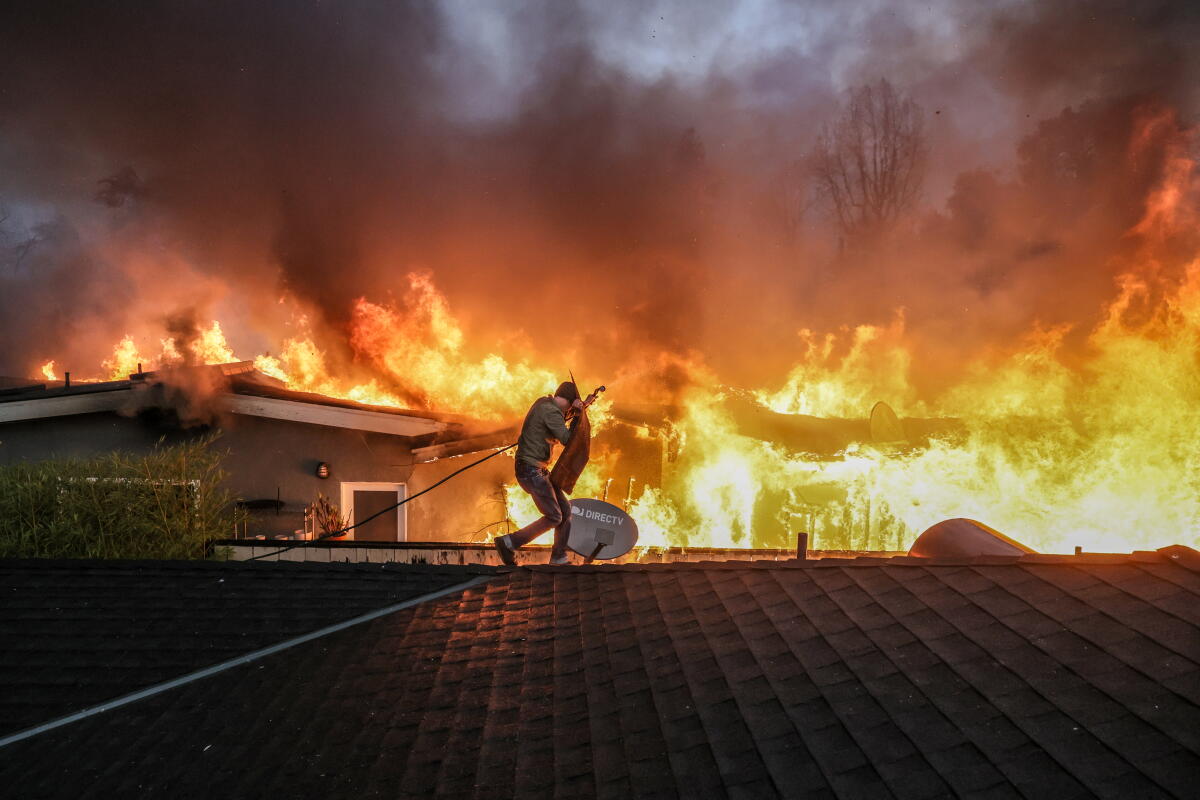
When the Palisades fire erupted on Jan. 7, the LAFD’s initial response revealed deep structural deficits in managing large-scale urban-wildland interface disasters. The department had pre-deployed only a handful of extra crews despite impending extreme weather. Initial commanders established a post at Fire Station 23, situated directly in the fire’s path along a primary evacuation route, forcing three subsequent relocations as fleeing residents and flames overran their positions.
Leadership teams unfamiliar with complex wildfire logistics hesitated to request mutual aid from outside agencies, reportedly debating which jurisdiction would bear the financial cost of additional resources. When requests were finally made, they were insufficient for a wind-driven fire moving through dense residential terrain.
This hesitation triggered a collapse in unified command. The Los Angeles Police Department, tasked with evacuation enforcement, operated entirely parallel to the LAFD. The two city agencies did not realize they were working from different evacuation maps until late on Jan. 7. The L.A. County Fire Department nominally joined a unified command but recognized its inadequacy and began operating independently.
Trust between LAFD command staff and line personnel deteriorated rapidly. Up to 26 fire units deployed without incident command authorization, driven by frontline urgency and confusion generated by overwhelming 911 call volume. Middle-rank captains frequently commanded more trust from ground crews than formal incident leaders. The California Department of Forestry and Fire Protection (CAL FIRE) assumed command the following day, with responders immediately noting significant improvements in coordination.
The systemic vulnerabilities exposed by the FSRI review reflect broader challenges in Southern California fire governance. Unlike CAL FIRE, which maintains dedicated wildland divisions and standardized incident management training, municipal departments like the LAFD are historically structured around structural firefighting and medical response. As climate change extends the region’s fire season and pushes extreme wind events deeper into winter months, the distinction between urban and wildland fire response has effectively vanished, leaving agencies reliant on legacy protocols ill-equipped for simultaneous multi-front catastrophes.
Derek Alkonis, FSRI senior research program manager, characterized the regional emergency apparatus as primed for disaster well before the first spark. “The whole system was, in a sense, just boiling — primed and ready to release all of that stored up energy come January 7th,” he said during a briefing Thursday.
The L.A. County Fire Department has confirmed the integration of FireGuard satellite mapping into its active incident workflows.