Menopause Behind Bars Exposes a Growing Gap in Prison Healthcare
Advocates push prisons to address the healthcare needs of aging women
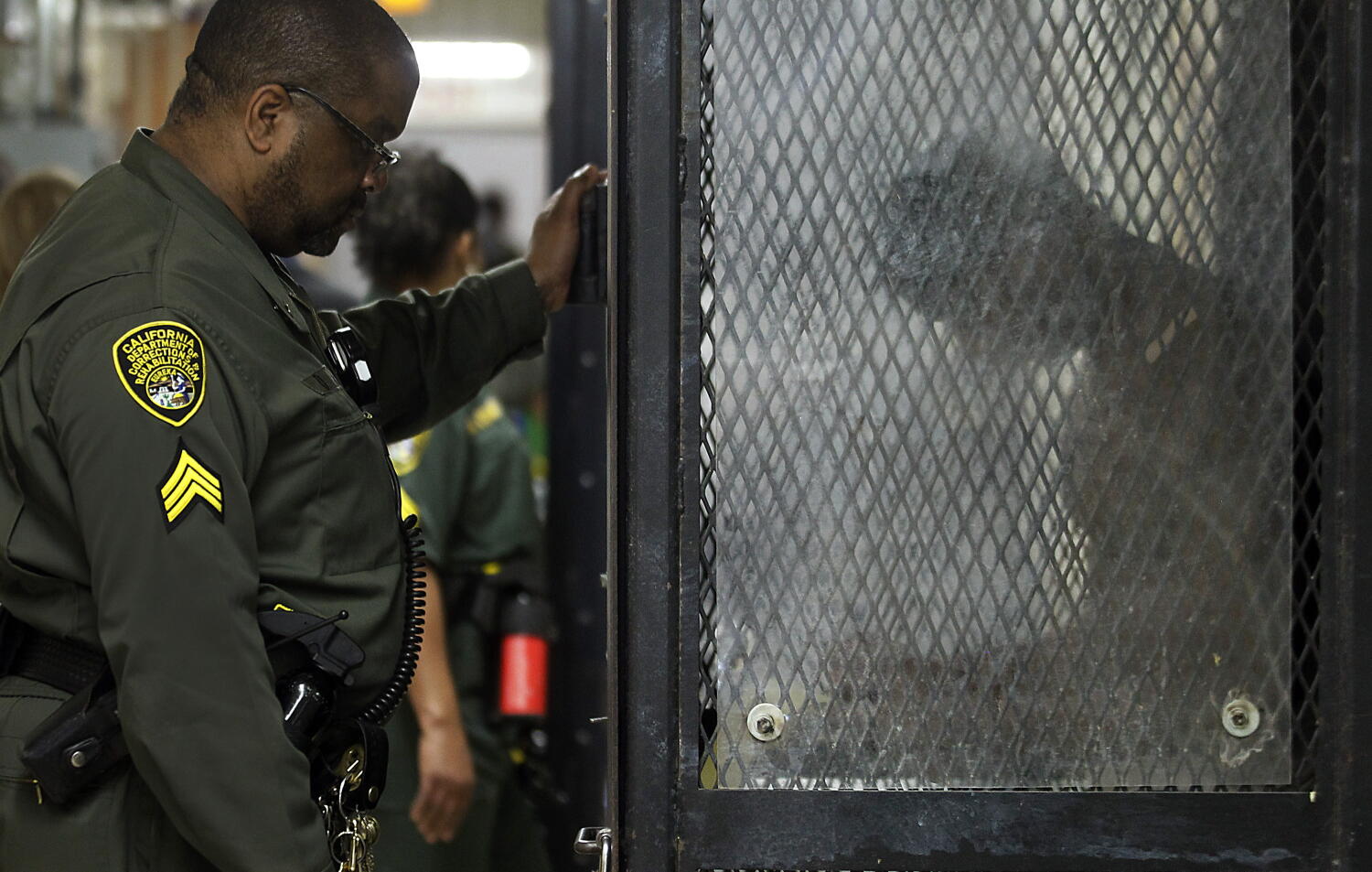
WASHINGTON — Nearly 80,000 incarcerated women are currently in the age bracket for perimenopause—the transitional phase leading up to menopause—and menopause, typically between 45 and 55 years old. This cohort represents the fastest-growing segment of the female prison population.
The number of women in U.S. prisons has increased by nearly 500 percent since 1980, according to data from the Bureau of Justice Statistics (BJS) and the Sentencing Project. Long sentences enacted during the “tough-on-crime” era of the late 20th century have left record numbers of women aging behind bars.
An estimated 40 percent of the approximately 200,000 women in U.S. prisons are currently navigating perimenopause or menopause. A coalition of medical professionals and reform advocates is launching targeted initiatives to overhaul healthcare standards behind bars as the “graying” of the U.S. prison population collides with a decades-long systemic failure to provide gender-specific medical care.


In mid-September 2026, the Senate Special Committee on Aging convened Congress’s first-ever hearing dedicated specifically to menopause. The session highlighted the economic and health impacts of mid-life health transitions and aligned with a broader legislative push, including the bipartisan Advancing Menopause Care and Mid-Life Women’s Health Act, to boost federal research funding and public awareness.
While lawmakers and pharmaceutical firms focus on expanding commercial treatment access, federal and state correctional systems remain virtually silent on menopause, advocates say. A historic hearing by the Senate Special Committee on Aging has thrust the issue into the national healthcare spotlight, but health advocates and criminal justice experts warn that aging incarcerated women are being entirely left out of the conversation.
Estrogen decline during menopause is clinically linked to a sharp rise in the risk of osteoporosis, cardiovascular disease, and cognitive decline. In most American correctional facilities, many of which—particularly in the South and Southwest—lack modern climate control, extreme heat can severely intensify hot flashes.
Standard prison diets are often high in sodium and highly processed foods, while access to cardiovascular exercise is limited. Those conditions compound the long-term health risks associated with estrogen loss. Untreated osteoporosis also creates severe safety risks: falls on hard concrete floors can lead to debilitating fractures requiring costly emergency medical care.
Under the U.S. Supreme Court’s landmark 1976 ruling in *Estelle v. Gamble*, correctional departments are constitutionally mandated under the Eighth Amendment to provide adequate medical care to incarcerated individuals. The ruling established that “deliberate indifference” to serious medical needs constitutes cruel and unusual punishment.
Gender-specific healthcare in prisons has historically been limited to prenatal and obstetric care, leaving post-reproductive health largely unaddressed despite that constitutional mandate. Prison medical staff, often contracted through private healthcare providers, frequently lack training in gynecological care, leading to situations where women’s symptoms are dismissed or misdiagnosed.
The national nonprofit organization Impact Justice, headquartered in Oakland, California, launched the “Menopause Project” in 2025 to address the gap. It is the nation’s first comprehensive program designed to improve the standard of menopause healthcare within correctional facilities.
Funded in part by the California State Legislature and operating with the cooperation of the California Department of Corrections and Rehabilitation (CDCR), the pilot program uses an advisory board of medical experts, gynecologists, and formerly incarcerated women who experienced menopause while serving time.
“The Menopause Project is designed to bring specialized medical expertise directly into these facilities, where the need is critical,” said Alex Busansky, founder and president of Impact Justice.
Board-certified menopause specialists and gynecologists work with the project to conduct specialized training sessions for prison medical staff. The curriculum covers the identification of perimenopausal symptoms, hormone replacement therapy (HRT) protocols, and lifestyle interventions.
The initiative also trains incarcerated women to serve as peer support specialists and distributes educational resources to help individuals self-advocate for their healthcare needs. “We are teaching women what is happening to their bodies so they can demand the appropriate treatment,” said Aishatu Yusuf, vice president of innovation programs at Impact Justice.
“For many of these women, realizing that their joint pain, insomnia, and anxiety are symptoms of menopause—and not just personal failings or untreatable aging—is incredibly empowering,” Yusuf said.
Early outcomes from the California pilot have attracted attention from correctional departments across the political spectrum. According to Impact Justice, several states representing both politically conservative and liberal administrations have contacted the organization seeking guidance, resources, and funding structures to implement similar programs in their own state prison systems.
State officials are increasingly realizing that proactive menopause care is not only a matter of constitutional compliance but also a fiscal necessity. Managing chronic conditions like advanced heart disease or treating hip fractures resulting from untreated osteoporosis is vastly more expensive for state taxpayers than providing preventive hormone therapy, calcium supplements, and appropriate lifestyle modifications.
As the broader national conversation around mid-life women’s health continues to gain momentum in Washington and state capitals, medical professionals warn that the success of any public health movement must be measured by its reach. Without integrating correctional systems into national health equity agendas, the systemic neglect of tens of thousands of aging women is projected to worsen as the prison demographic continues to age.