Liberia Cash Aid Study Finds Joint Budget Planning Increased Domestic Violence in High-Risk Couples
The $750 pilot improved household finances overall, while researchers seek safer ways to deliver joint planning.
A World Bank-funded study in Liberia found that couples with a history of domestic conflict experienced more intimate partner violence after taking part in joint financial planning linked to cash aid. Most participating couples reported no adverse behavioral changes, and households that planned together were significantly better off economically after one year than those who received cash without guided planning.
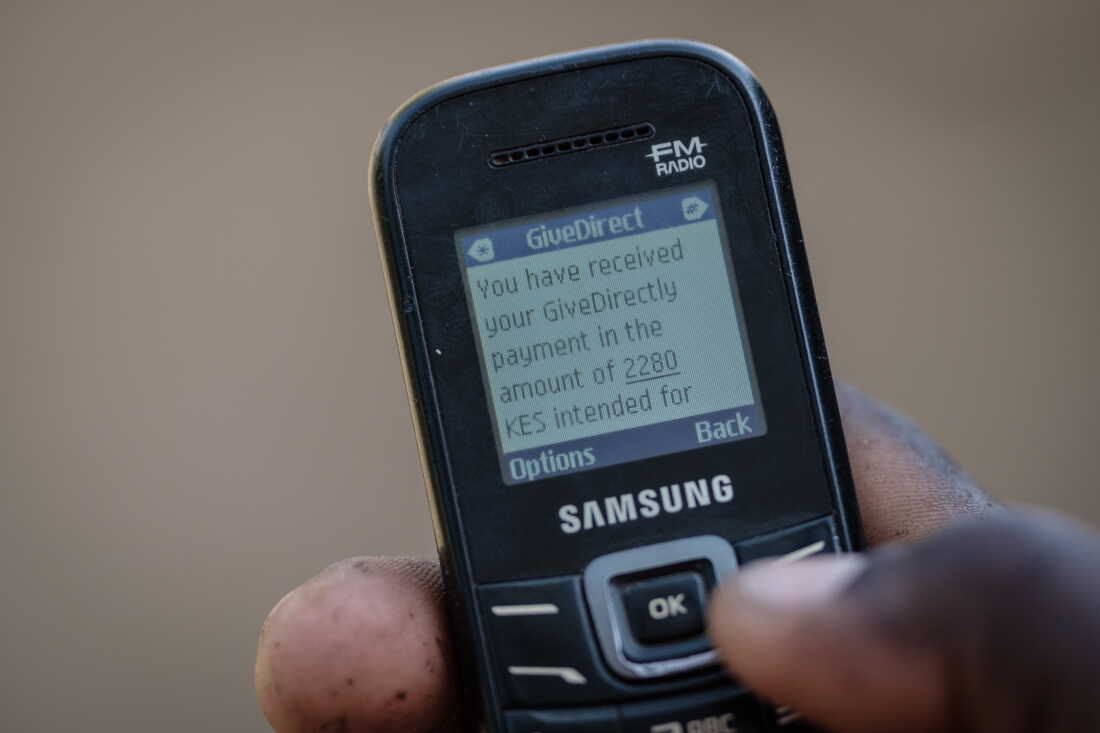
The randomized controlled trial took place in 2022 in rural Maryland and Bomi counties. The Liberian government, the World Bank and the U.S.-based nonprofit GiveDirectly administered the pilot, which provided more than 2,300 households with $750 in four installments. The study was released in July.
Unlike traditional cash programs in Liberia, which typically give about $250 a year directly to a female household member to help meet basic needs, the pilot divided the larger payment equally between male and female partners. The arrangement was intended to address complaints from men who felt excluded by female-only targeting while preserving women’s direct economic agency.



Half of the participating couples were also offered a structured, 45-minute session to plan spending together. With literacy rates low in rural Liberia, facilitators used visual materials: a poster showing a harmonious family and blank spaces where couples placed stickers to mark shared priorities. The stickers represented choices such as education, with books; healthcare, with a stethoscope and syringe; and agriculture or home repairs. Couples were expected to hang the posters on their walls as a visible record of their commitments.
Christian, a rural farmworker, and her husband, a latex tapper, used their session to prioritize education, food security and home repairs. She spent her share on school fees for their five children, rice and outstanding debts. Her husband bought solar light bulbs and cement to patch their leaking roof.
But the economic gains came with a safety risk for a subset of households. Researchers found that couples identified as high-risk for domestic abuse before the intervention experienced a notable rise in intimate partner violence after joint planning. Amber Peterman, a UNICEF impact evaluation specialist who was not involved in the study, said: “It is quite clear that it’s something in the shift about couples deciding together” that led to the escalation.
Researchers proposed two explanations. The planning posters made agreements tangible, giving one partner a concrete basis to challenge the other if they departed from the agreed spending plan. In volatile households, confrontations over broken commitments often escalated into physical violence.
The sessions may also have unsettled traditional patriarchal power dynamics. Liberia, among the world’s poorest nations, has deep-seated gender inequality. National statistics show that about 35 percent of Liberian women experience intimate partner violence, compared with a global average of 27 percent. Researchers said formally giving women equal veto power and economic agency over household resources may have prompted some men to use violence to reassert control.
The findings complicate a long-standing view in the humanitarian sector. Dozens of studies in sub-Saharan Africa, Latin America and South Asia have found that unconditional cash transfers reduce domestic violence by easing chronic financial stress, which often contributes to conflict at home. The Liberian study found that cash itself remained protective, but that adding a behavioral intervention such as joint planning could have mixed effects in fragile contexts.
Aurelius Butler, Liberia’s national coordinator for social protection, said the country’s high level of gender inequality makes decisions about targeting funds complex. Directing cash to women remains a reliable way to cover basic household needs such as food and hygiene, he said, while managing the resentment it can prompt among men remains a persistent challenge for policymakers.
The research team, led by World Bank senior economist Sarika Gupta, is seeking funding for a follow-up study. Rather than abandon joint financial planning, which proved highly effective at lifting family incomes, researchers hope to test safety modifications, including screening households for domestic violence risks so they can be offered tailored, safer delivery methods to protect vulnerable women from retaliatory abuse.