Ledger Hardware Implant Sparks Bitcoin ETF vs Self-Custody Debate
Supply chain compromise forces crypto holders to weigh institutional custody against personal key management
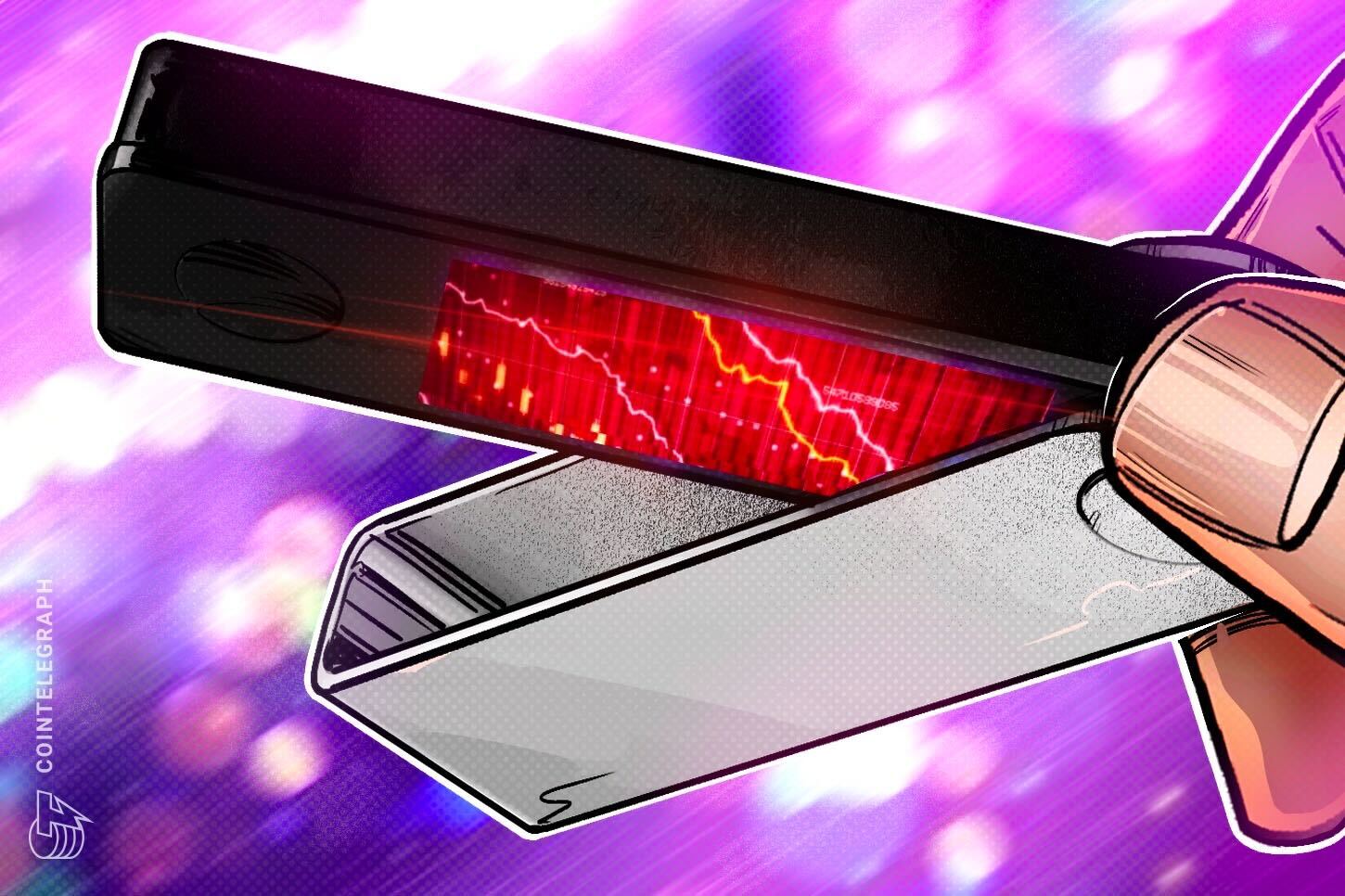
A newly identified unauthorized hardware implant targeting Ledger devices has forced cryptocurrency investors to reexamine the security assumptions underlying self-custody. The discovery surfaced as digital asset holders increasingly weigh the risks of holding physical hardware wallets against the counterparty exposure inherent in spot Bitcoin exchange-traded funds.
The compromised component, inserted into the supply chain or device architecture without manufacturer authorization, demonstrates that hardware wallet security depends entirely on the integrity of every physical layer between the factory floor and the end user. Unlike software vulnerabilities, which can be patched remotely through firmware updates, a hardware implant requires physical intervention to detect and remove. For retail investors who purchased devices months ago and stored them unopened, the window for undetected tampering expands significantly.
This incident arrives at a critical juncture for U.S. crypto markets. Since the Securities and Exchange Commission approved the first spot Bitcoin ETFs in January 2024, products managed by BlackRock, Fidelity, Ark Invest, and others have accumulated hundreds of billions of dollars in assets under management. These funds rely on institutional custodians — primarily Coinbase Custody Trust Company — that employ multi-signature architectures, geographically distributed cold storage vaults, and regulatory capital requirements designed to prevent single points of failure.
The philosophical divide within the Bitcoin community makes this technical breach particularly volatile. Proponents of self-custody operate on the foundational principle that relying on third-party financial institutions reintroduces the exact systemic trust vulnerabilities Bitcoin was engineered to eliminate. Hardware wallets from Ledger, Trezor, Coldcard, and BitBox have long served as the standard tools for executing this philosophy, keeping private keys isolated from internet-connected devices.
Yet the economics of institutional custody offer protections unavailable to individual hardware owners. SEC-regulated ETF custodians carry insurance policies, undergo regular SOC 1 Type II audits, and distribute key shares among multiple authorized personnel. An individual whose Ledger device contains an undetected implant faces total loss with no regulatory backstop or insurance claim mechanism. Institutional custodians also benefit from dedicated security teams monitoring for supply chain interdiction, a resource no retail investor possesses.
Supply chain attacks on cryptographic hardware are not unprecedented. Security researchers have documented instances of malicious actors intercepting hardware shipments to solder rogue chips onto circuit boards before resealing packaging. Ledger itself faced intense community scrutiny in 2023 over its “Ledger Recover” service, which introduced a mechanism to shard and escrow seed phrases — a feature critics argued fundamentally altered the device’s trust model even before any physical tampering occurred.
For investors evaluating their options following this disclosure, the calculus extends beyond a simple binary choice. Hardware wallet users are now advised to purchase devices directly from manufacturers rather than third-party retailers, verify tamper-evident packaging upon delivery, and cross-reference device behavior against known secure baselines. Meanwhile, ETF investors must accept that while their holdings are insulated from physical device compromise, they remain subject to brokerage platform outages, regulatory seizure risk, and the operational security of centralized custodians.
Ledger has initiated an internal review of affected production batches and is working with independent security auditors to map the implant’s capabilities and origin. No timeline has been confirmed for the release of the full forensic report.