LA Unified Faces Insolvency Risk as State Demands 6,000 Job Cuts
State auditors demand 6,000 job cuts as empty campuses and expired pandemic aid push the nation's second-largest district toward financial crisis.
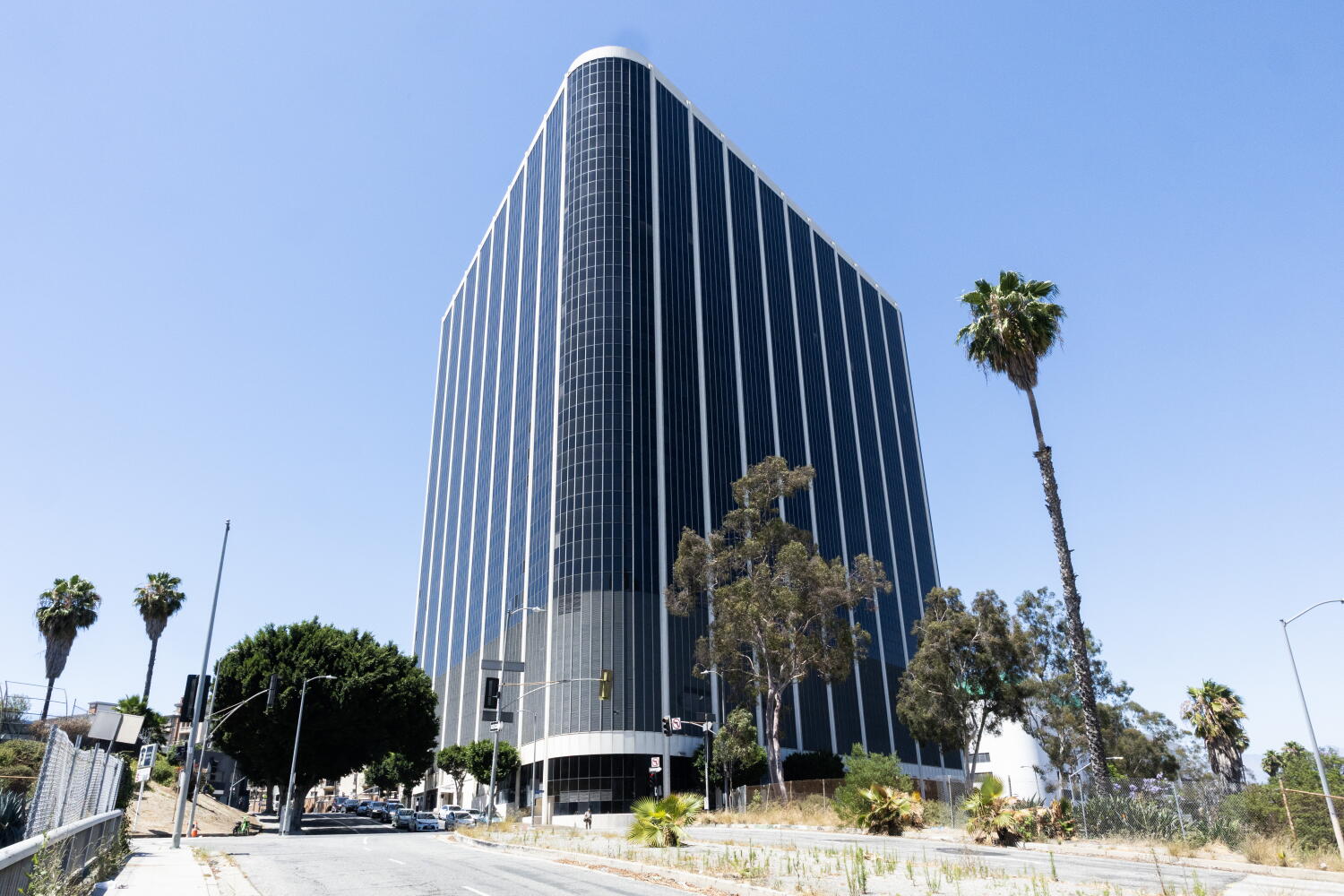
California fiscal monitors have classified the Los Angeles Unified School District as being at high risk of insolvency, escalating pressure on the nation’s second-largest school system to eliminate more than 6,000 jobs over the next three years or face a potential state takeover of its budget.
The Fiscal Crisis and Management Assistance Team, known as FCMAT, concluded that the district failed to correct financial deficiencies previously flagged by the Los Angeles County Office of Education. The findings are scheduled for presentation to the LAUSD Board of Education on Tuesday, coinciding with the county office’s conditional approval of the district’s $20.6 billion spending plan for the 2026-27 academic year.
Conditional approval keeps local officials in charge of day-to-day finances but signals that the current trajectory is unsustainable. If a California school district fails to meet its financial obligations, the state superintendent of public instruction can intervene, appoint an administrator, and override the elected school board’s authority over hiring, contracts, and spending.


FCMAT identified four compounding drivers behind the shortfall: expanding the workforce while student enrollment plummeted, approving employee raises that outpaced state funding increases, absorbing surging costs for special education, and paying to maintain hundreds of largely empty classrooms.
The data reveals a stark divergence between staffing levels and student population. Between the 2019-20 and 2024-25 school years, enrollment fell roughly 16%, dropping from 440,365 to 369,830 students. During that same window, full-time-equivalent positions grew by 6.3%, rising from 60,344 to 64,148. The current workforce stands at approximately 80,000 full- and part-time employees.
Much of that hiring occurred during the pandemic, when federal relief dollars—primarily through the Elementary and Secondary School Emergency Relief fund—encouraged districts nationwide to add tutors, counselors, and support staff to address learning loss. Those funds expired in September 2024, leaving districts like LAUSD responsible for sustaining the payroll with base state revenues that never increased at a matching rate.
The physical footprint of the district compounds the payroll problem. LAUSD operates 738 campuses built to accommodate 718,475 students. Current enrollment sits at 353,065, resulting in a 49.1% facility utilization rate. Nearly two-thirds of the district’s schools—481 campuses—operate at or below 60% capacity. Heating, cooling, cleaning, and securing those buildings drains operating funds regardless of how many desks are occupied.
Closing underused schools presents its own financial peril. Research on urban districts undergoing consolidation shows that shuttering campuses frequently accelerates enrollment declines, as families often transfer to neighboring charter or private schools rather than accepting reassignment to a consolidated building. Because California allocates base funding through the Local Control Funding Formula based on average daily attendance, losing students directly reduces revenue.
Special education represents another accelerating expense. Federal law mandates services for students with disabilities under the Individuals with Disabilities Education Act, but Congress has historically funded only a fraction of the mandate, typically around 13% to 15% of the national excess cost, far below the originally promised 40%. California districts must cover the gap. LAUSD spent $957.1 million from its own resources on special education in 2023-24. By 2025-26, that figure jumped 56% to $1.49 billion—an increase of more than $500 million in just two years. The district’s current budget assumes those costs will decline, though no structural changes guarantee such a reduction.
United Teachers Los Angeles, the union representing the district’s educators, pushed back against the severity of FCMAT’s assessment in a memo to board members. Union leaders argued that the state team’s methodology excluded the likelihood of additional mid-year state revenue, which has materialized in recent budget cycles. They also noted that the state’s raw data initially placed LAUSD at moderate risk, asserting that the designation shifted to high risk only after county officials applied subjective judgments.
The union opposes unpaid furlough days and increased healthcare contributions for employees, maintaining that such measures require formal collective bargaining. If negotiations fail, the district would need to identify equivalent savings elsewhere. To buy time, the union supports delaying major reductions until the end of the three-year planning window, betting that improved state revenues could shrink the required cuts. However, postponement means that if the targeted savings must eventually be realized, the annual reductions will be significantly deeper.
District leadership acknowledged the gravity of the report without disputing its underlying figures. Officials stated they are executing a fiscal stabilization plan adopted by the board, emphasizing a commitment to keeping resources near classrooms while navigating the required reductions.
The Los Angeles County Office of Education continues to review the district’s multi-year financial projections ahead of the December deadline for the first interim budget report, a statutory checkpoint where California county offices formally certify whether local districts can meet their obligations through the following two fiscal years.