

Iran Faces Imminent Cash Crisis as Oil Exports Halt and Currency Collapses
Treasury officials project Tehran will exhaust its final crude shipments to China within days, leaving the regime without foreign currency reserves.
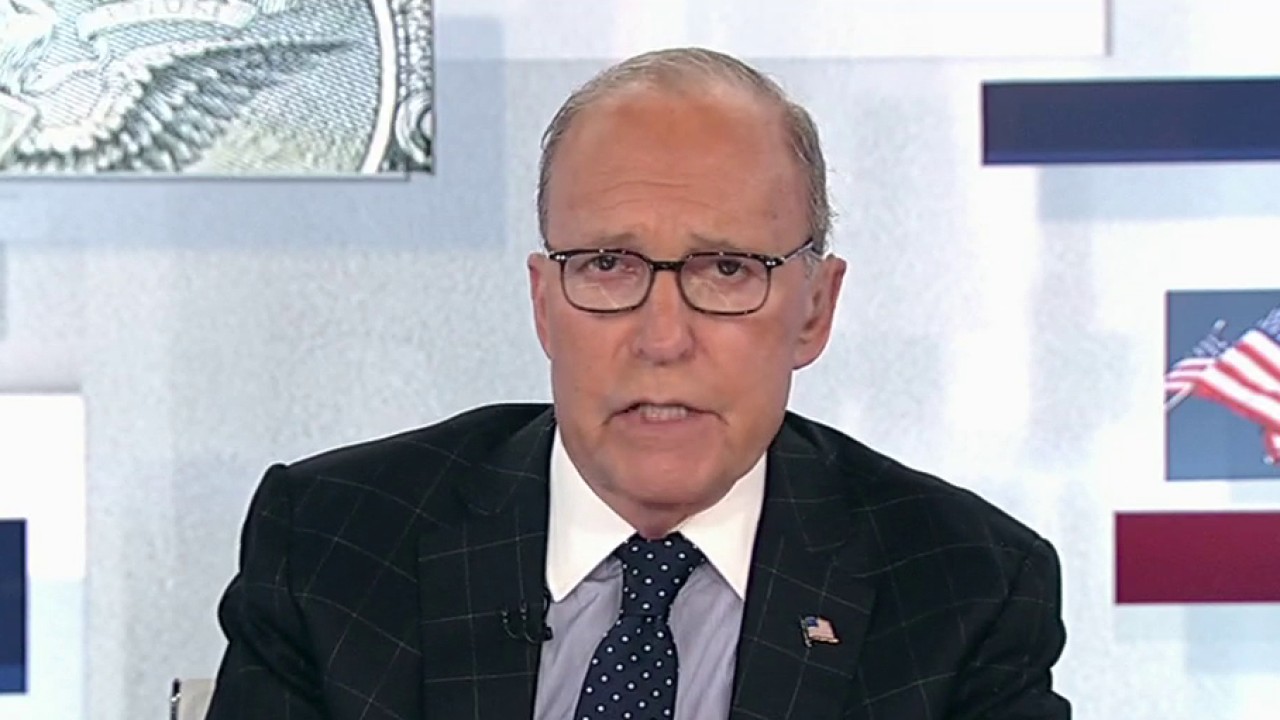
U.S. Treasury Secretary Scott Bessent warned that Iran will exhaust its remaining liquid trade assets within two weeks, projecting that the final shipments of Iranian crude oil currently on the water—estimated at 15 million barrels—are en route to China. Once those deliveries clear, Tehran will have no remaining inventory to exchange for foreign goods or hard currency.
The timeline coincides with a sharp reduction in Chinese purchases of sanctioned Iranian oil. Beijing has historically served as the primary buyer of Iranian crude, absorbing more than 90% of the country’s exports despite Western sanctions. A withdrawal of that demand, combined with tightened U.S. maritime enforcement operations that President Donald Trump has referred to as a “wall of steel,” effectively closes Iran’s last major revenue channel. Unlike previous sanction cycles where China maintained steady imports through independent refineries known as “teapots,” current market signals indicate a near-total halt.
Iran’s currency has deteriorated to roughly 2.5 million rials per U.S. dollar on the open market. Retired U.S. Army Lieutenant General Keith Kellogg compared the monetary collapse to the hyperinflationary period of Germany’s Weimar Republic in the early 1920s. While the Weimar crisis peaked when the exchange rate hit trillions of marks per dollar, Iran’s current trajectory reflects a similar structural failure: the state can no longer defend its currency because it lacks the foreign reserves necessary to intervene in exchange markets.


This insolvency has produced immediate diplomatic consequences. During the recent United Nations General Assembly in New York, Iranian President Masoud Pezeshkian bypassed the customary luxury hotel accommodations typically reserved for heads of state. According to the New York Sun, the delegation could not secure standard bookings at properties like the Millennium Hotel across from UN headquarters, forcing the president to stay at the Iranian ambassador’s Midtown Manhattan residence. Historically, Iranian delegations book premium suites for these summits; the shift to government-owned residential quarters underscores the depth of the liquidity freeze.
Beyond maritime routes, overland trade has stalled. Neighboring countries including Pakistan, Turkey, and Azerbaijan have curtailed cross-border commerce. For regional traders, accepting payment in rapidly depreciating rials carries extreme financial risk. Barter arrangements, which Iran previously used to circumvent banking restrictions, are losing viability as the rial’s purchasing power evaporates daily. Turkey, a traditional conduit for Iranian gold and goods, has increasingly aligned its customs enforcement with international pressure to avoid secondary U.S. sanctions.
Domestically, the economic paralysis is prompting security mobilizations. Reports indicate that Basij militia units—the volunteer paramilitary force operating under the Islamic Revolutionary Guard Corps—are increasing street-level patrols in provincial cities. The Basij was instrumental in suppressing the 2019 fuel-price protests and the 2022 Mahsa Amini demonstrations. Preemptive deployments typically signal that intelligence services anticipate unrest driven by commodity shortages, particularly bread and basic staples heavily subsidized by the state.
When a government loses the capacity to import essential foodstuffs or subsidize domestic production, the social contract underpinning authoritarian stability fractures rapidly. Iran already faces chronic water shortages, frequent power grid failures, and youth unemployment exceeding 25%. The total loss of oil revenue removes the state’s primary mechanism for buying public compliance through subsidies and public-sector wages.
As of early October 2026, maritime tracking data continues to monitor the remaining tankers carrying Iranian crude toward East Asian ports, with U.S. naval assets maintaining heightened presence along critical transit chokepoints.










One Comment