

iPhone 18 Pro Brings Mechanical Camera Controls and 45-Hour Battery Life
Apple adds a physical variable aperture, native manual camera controls, and up to 45 hours of video playback
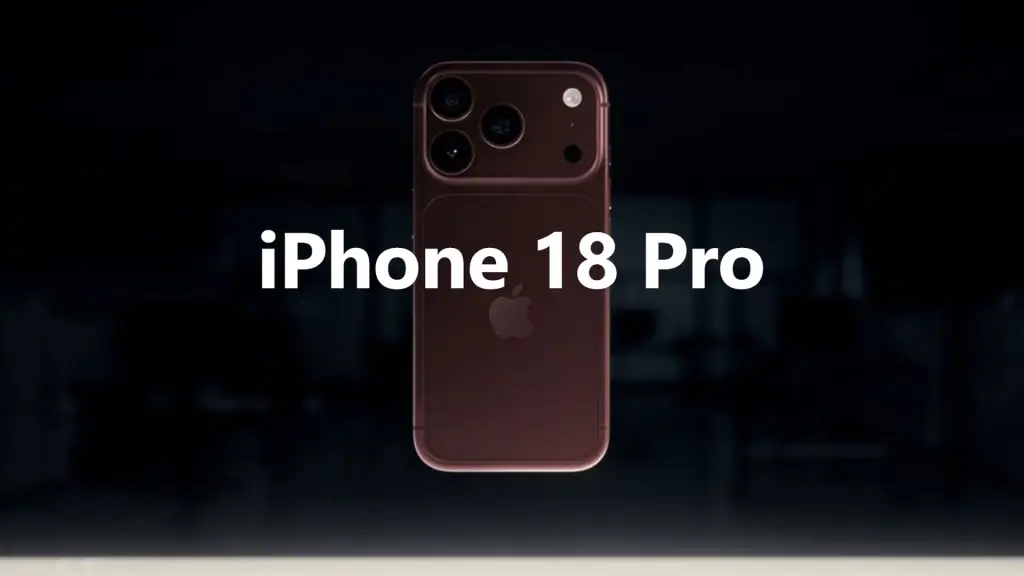
CUPERTINO, Calif. — Apple Inc. has officially announced the iPhone 18 Pro and iPhone 18 Pro Max, introducing hardware updates focused on mechanical camera controls, extended battery endurance, and structural chassis refinements.
Apple has revised the available color options for the flagship line, eliminating the orange finish and reinstating a classic Black option. The updated selection is headlined by two new finishes: Glacier Blue and Burgundy.
The launch comes alongside the debut of the new iPhone Duo, which captured initial headline attention during Apple’s product event. Although the external industrial design of the iPhone 18 Pro closely resembles the prior generation, its technical specifications include targeted physical and operational revisions aimed at performance-driven users and multi-year upgraders.


Battery performance has also increased. The base 6.3-inch iPhone 18 Pro achieves up to 36 hours of continuous video playback, matching the total playback specification of the previous generation’s larger iPhone 17 Pro Max. The iPhone 18 Pro Max delivers up to 45 hours of video playback on a single charge.
Those gains come from internal architectural adjustments that maximize chemical cell capacity alongside display driver efficiency updates. Apple previously transitioned its baseline Pro display size to 6.3 inches, establishing a physical envelope that accommodates higher-capacity lithium-ion cells without increasing total chassis thickness.
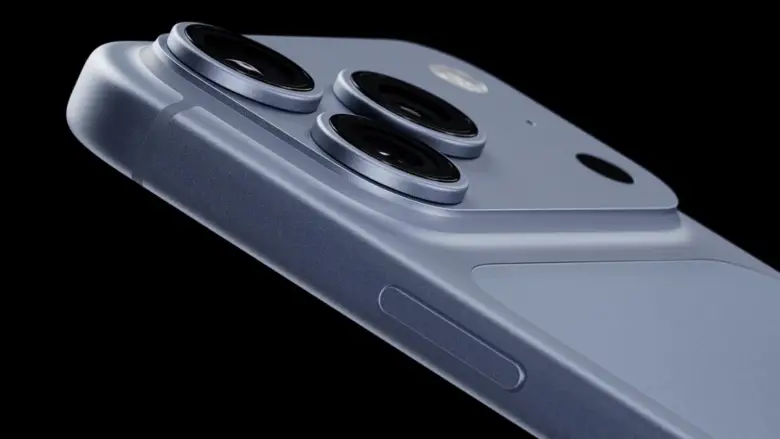
At the core of the imaging changes is a redesigned primary camera system with a 48-megapixel sensor paired with a physical variable aperture. The mechanical diaphragm expands and contracts to adjust the light reaching the sensor, rather than relying entirely on computational algorithms to simulate depth of field.

Users can operate the aperture automatically or manually control the physical diaphragm settings. Variable aperture technology allows direct control over depth-of-field and light intake before software processing occurs. It was previously integrated into selective mobile devices such as Samsung’s Galaxy S9 in 2018 and later flagship models from Xiaomi and Huawei.
Apple has also updated its native Camera application with a dedicated “Pro Mode.” For the first time natively within iOS, users can directly manipulate manual exposure parameters, including ISO sensitivity, white balance, and shutter controls.
Historically, iOS users seeking manual photographic adjustments had to rely on third-party applications from the App Store, such as Halide or ProCam, while the default iOS application operated on automated computational exposure algorithms.
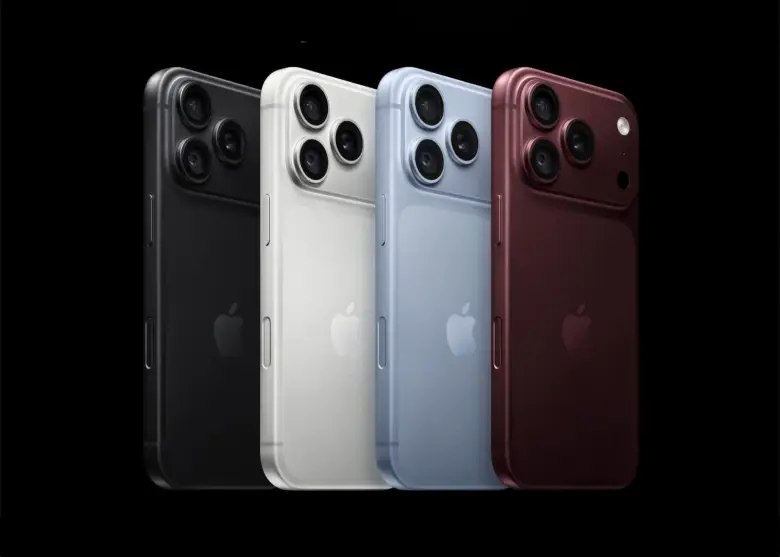
Apple modified the rear panel construction by unifying the back glass directly with the aluminum structural frame, eliminating the multi-piece separation seen on earlier iterations.
The front display layout has been modified to reduce the physical footprint of the Dynamic Island cutout, expanding the active screen-to-body area. The Dynamic Island interface was original hardware introduced with the iPhone 14 Pro series in 2022 to replace the display notch design first debuted on the iPhone X in 2017.










One Comment