
Hunter Biden Meme Coin Rocketed to $144 Billion, Then Crashed in 30 Minutes
A $48,000 liquidity pool briefly supported a $144 billion valuation before the token crashed 99%
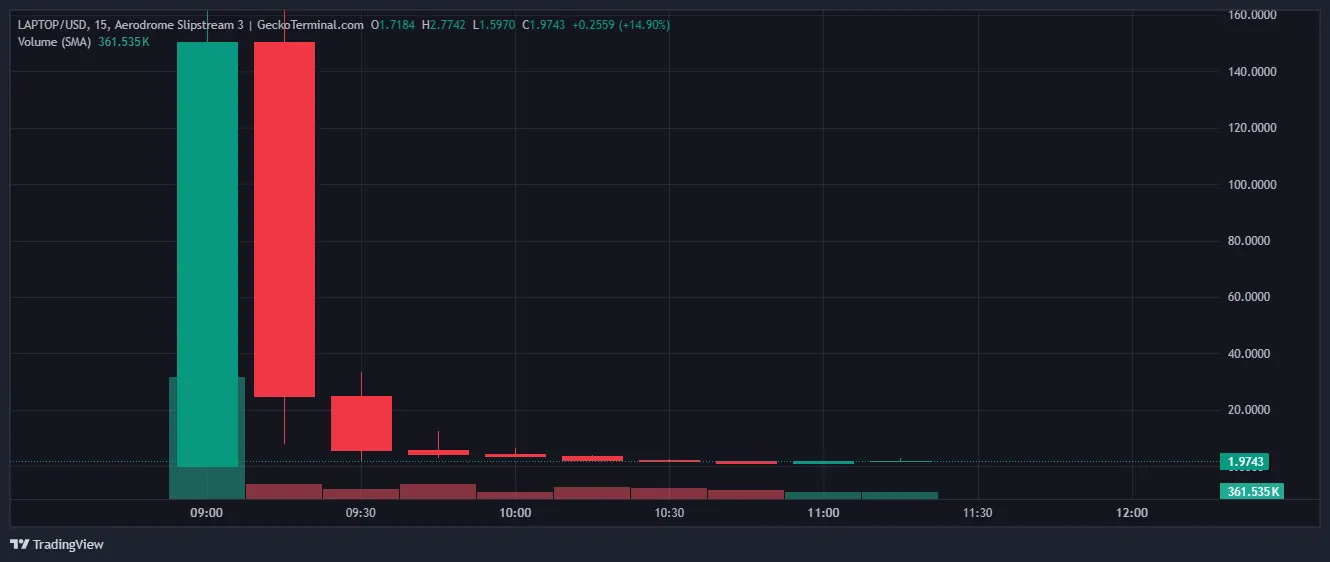
The LAPTOP token officially went live at 8:00 a.m. Eastern Time on Wednesday, triggering a frenzy on Base, the Ethereum Layer-2 network incubated by Coinbase. Within two minutes, the asset’s price hit $190.81, pushing its theoretical fully diluted valuation to roughly $144 billion according to Arkham data. Yet the actual liquidity pool backing the launch was only $48,000, a structural imbalance that virtually guaranteed a collapse. By Wednesday afternoon, the token was trading around $1.97, a 99% decline from its peak, though its market capitalization still stood at approximately $780 million with a fully diluted valuation of $2.2 billion due to its overall supply structure.
This rapid boom-and-bust cycle is characteristic of the broader “PolitiFi” sector, a category of politically themed meme coins that trade on public attention rather than utility. The TRUMP token, which launched in January 2025, peaked near $75 before declining by approximately 97% to trade around $2.24, with blockchain data suggesting nearly one million holders experienced an estimated $3.81 billion in unrealized or realized losses from its peak. A similar token associated with former First Lady Melania Trump declined more than 99% from its all-time high.
The LAPTOP token’s creators attempted to leverage these previous market losses directly into their distribution model. The token’s smart contract designated a specific portion of its initial airdrop for blockchain wallets that had lost money holding the TRUMP token, creating a form of defensive marketing. Whether the token transitions into a sustained speculative asset or remains a short-lived market anomaly depends on how trading volumes settle once initial launch-day bots depart and whether targeted TRUMP-loss airdrop recipients choose to claim and hold their allocations.

Trading on Base—which uses optimistic rollup technology to process transactions off the main Ethereum network, lowering fees to fractions of a cent—has turned the network into a primary competitor to Solana for hosting high-frequency, low-liquidity meme coin launches. However, this low-cost environment also lowers the barrier to entry for high-speed “sniper bots” that frontrun retail buyers. The structural vulnerability in decentralized cryptocurrency markets was on full display: extreme volatility generated when speculative frenzy meets highly restricted liquidity.
On-chain transaction data captured the highly unequal outcomes typical of low-liquidity token launches. One trader executed a highly profitable exit by withdrawing $249,800 from Binance just prior to launch, purchasing 9,124 LAPTOP tokens in the opening moments and selling most minutes later for approximately $1.18 million. In contrast, a market participant who spent roughly $200,000 to buy 919 LAPTOP tokens at an average price of $218 per token—near the absolute peak—saw that position worth less than $3,000 within an hour.
Within 30 minutes of its launch, LAPTOP had shed roughly 90% of its peak value. By the one-hour mark, the token was trading at approximately $4.77. The project’s architecture includes a six-month lockup period preventing founders from liquidating their allocations, a 30-event token burn schedule designed to reduce overall circulating supply, and staggered airdrop rounds.
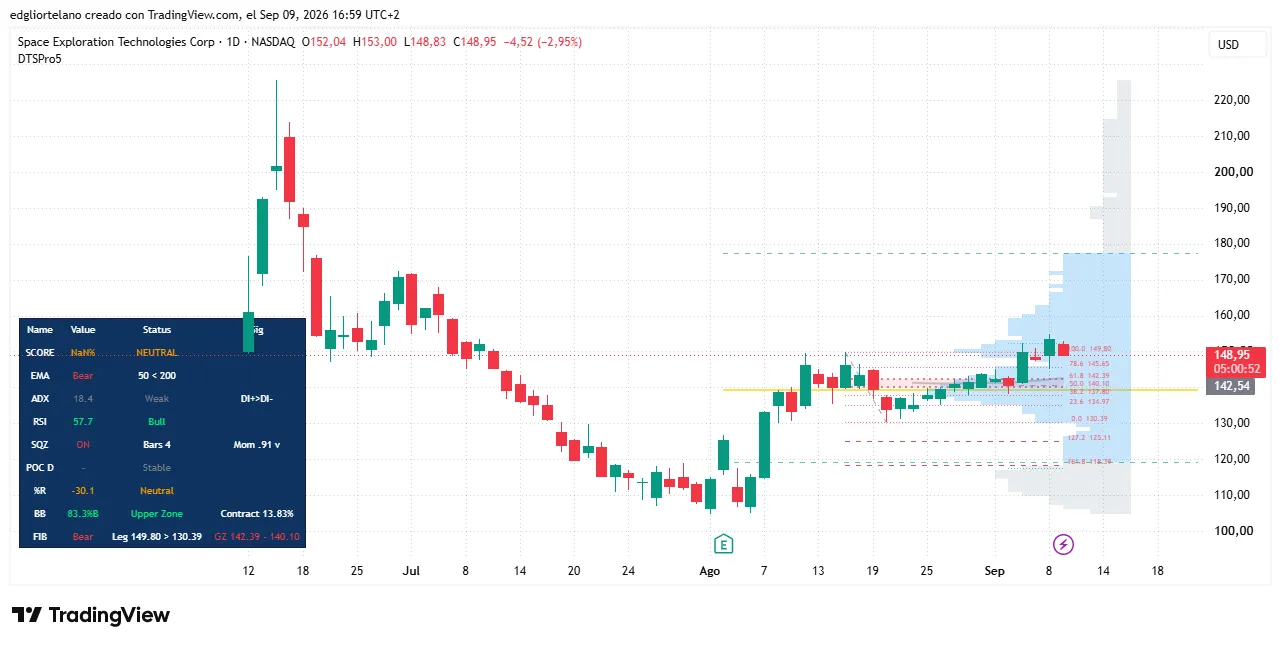
Many prominent market commentators view these assets with extreme skepticism. Billionaire investor Mark Cuban has characterized the entire meme coin asset class as essentially “a rug pull in the works,” advising traders that the underlying mechanics are designed for rapid exits rather than long-term value preservation. Supporters of early-stage digital assets frequently point out that sharp initial drops are not unique to decentralized finance, noting that in traditional equities markets, highly anticipated public listings can leave early buyers facing immediate losses—as seen when public trading vehicles associated with major high-growth ventures, such as the SPCX tracking index, have seen early retail participants face extended periods trading below initial entry prices.
At the precise moment the LAPTOP token peaked at $190.81, its theoretical fully diluted valuation climbed to about $144 billion—a paper valuation that disintegrated almost instantly as the actual liquidity pool of just $48,000 proved unable to support such price levels. The token temporarily placed within the top 100 digital assets by market capital despite representing a 99% decline from its two-minute peak.