
GOG Turns Classic Game Boxes Into Printable 3D Blueprints
GOG Partners With Big Box Collection to Offer Printable Classic Game Packaging
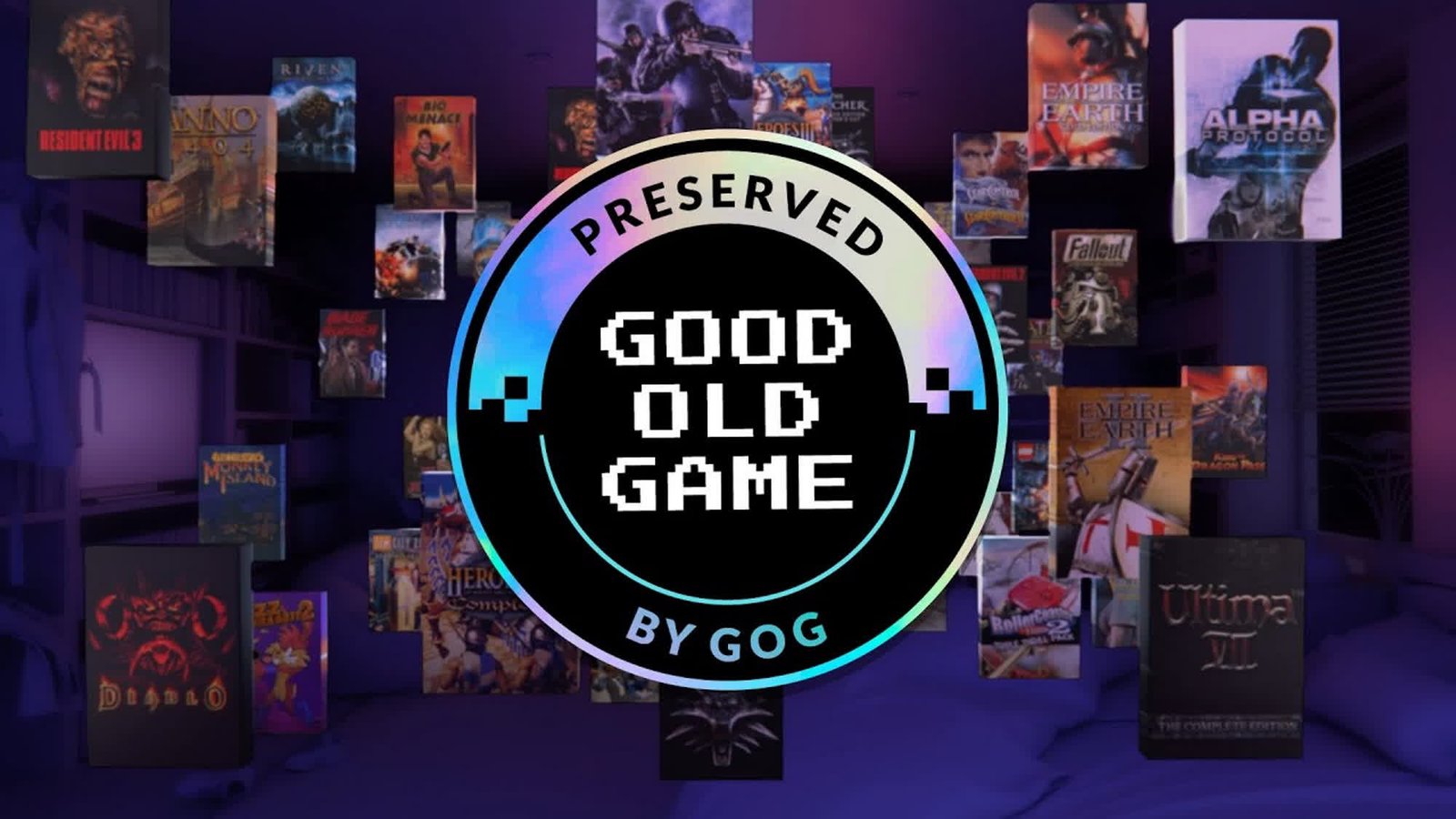
WARSAW, Poland — The digital retailer GOG has expanded its Preservation Program by releasing interactive, printable 3D blueprints of classic game packaging, allowing users to recreate tangible “big boxes” that have largely vanished from modern retail. The initiative arrives amid a broader crisis in video game preservation. According to a landmark 2023 study by the Video Game History Foundation and the Software Preservation Network, approximately 87% of classic video games released in the United States are “critically endangered,” meaning they are out of print and inaccessible through authorized digital channels.
At the same time, the physical market is rapidly shrinking; major retail chains like Best Buy phased out physical media sales in 2024, while console manufacturers continue to shift toward digital-only hardware revisions. GOG—originally founded in 2008 as “Good Old Games” by the Polish company CD Projekt—has added five classic titles to its official preservation roster: *Myst*, *Descent*, *Hitman: Codename 47*, *Star Trek: 25th Anniversary*, and the claymation adventure *Armikrog*.
The desire to maintain a physical presence for digital games has a long history among PC gaming enthusiasts. Within GOG’s community forums, users have collaborated since 2008 to design and share custom, printable “DVD covers” to house their digital GOG purchases on physical shelves. The hobby has driven some collectors to invest in specialized home hardware, such as the Epson EcoTank ET-8500 photo printer, specifically to manufacture high-quality physical covers for their digital libraries.


Under the new update, GOG has introduced high-fidelity 3D scans of the original cardboard packaging for these five titles. Technicians constructed the digital boxes by scanning the front, back, spine, and internal structural elements of the original retail packages. GOG is distributing these assets in the GLB format—a binary file format representing the 3D glTF (GL Transmission Format)—enabling users to rotate, inspect, and interact with the boxes using the native 3D viewers built into modern Windows and macOS operating systems.
Through this collaboration, GOG is hosting flat, printable, high-resolution versions of the scanned boxes. Users can download these schematics, print them, and follow instructions to cut, fold, and glue the components together, creating precise physical replicas of the original retail boxes. GOG’s engineers apply custom compatibility updates, performance modifications, and technical patches to ensure games run seamlessly on modern Windows and macOS systems after their original developers have ceased technical support.
The GOG Preservation Program, which officially launched in late 2024, focuses on maintaining playability for historic titles on modern operating systems. To translate these digital assets back into physical collectibles, GOG has partnered with the Big Box Collection. Established in 2015 as a passion project by a single preservationist, the Big Box Collection has curated interactive 3D digital replicas of roughly 890 classic PC and multi-platform games.
This physical-to-digital preservation approach addresses a vulnerability inherent to early gaming media. Cardboard boxes, printed instruction manuals, floppy disks, and early CD-ROMs are highly vulnerable to environmental wear, moisture, and “bit rot”—the gradual physical decay of magnetic and optical data storage. Without active scanning and digital archiving, the physical artifacts representing the industry’s early history risk permanent loss. GOG’s new partnership represents an official validation of these long-standing, community-driven preservation efforts. At present, GOG has not disclosed plans or timelines regarding whether it will expand these 3D and printable box offerings to other games within its preservation catalog.