
Trump’s $5,000 Dividend Plan Faces Fiscal Reality Check as Deficits Loom
CRFB analysis shows $1.2T plan would push total deficit to $3.1T, exceeding pandemic stimulus costs
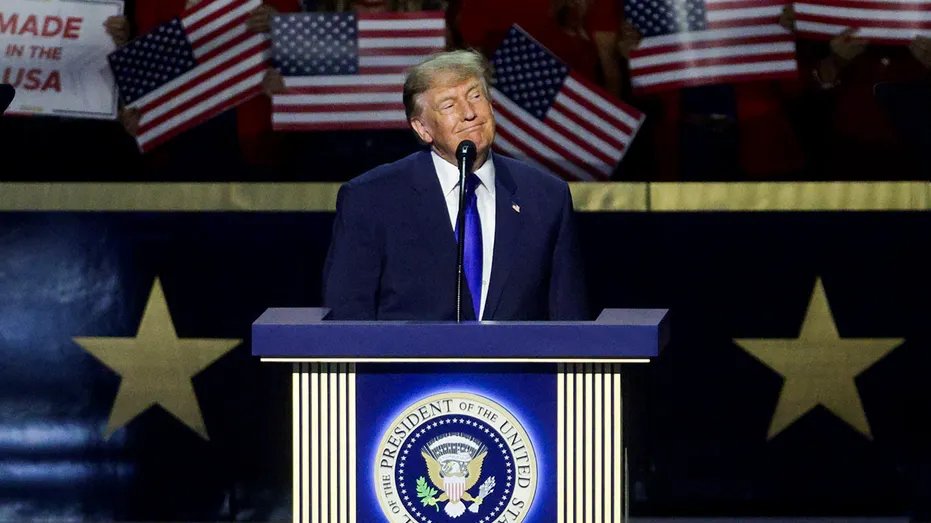
President Donald Trump’s pledge to issue $5,000 direct payments to every adult U.S. citizen is facing sharp scrutiny from fiscal watchdogs, with new projections indicating the plan could more than double the primary deficit in a single year. The proposal, unveiled during a Wednesday night address at the Republican National Committee’s Midterm Convention in Dallas, would cost an estimated $1.2 trillion if implemented in 2027, according to the nonpartisan Committee for a Responsible Federal Budget (CRFB).
The CRFB’s calculations show that a direct cash transfer program of that magnitude would push the primary budget deficit from $780 billion to $2 trillion. When net interest payments on existing government debt are factored in, the total annual federal deficit would reach $3.1 trillion, raising federal borrowing from 5.8% of Gross Domestic Product to 9.4% of GDP.
Trump’s proposal, which he framed as a “dividend” payment, would require recipients to spend the funds entirely within the United States. It represents the latest iteration of direct-payout concepts discussed by the administration, following prior unenacted ideas regarding distribution payments tied to tariff revenues and cost-cutting initiatives under a Department of Government Efficiency (DOGE).


The estimated price tag for the $5,000 dividend would exceed the total expenditure of all direct stimulus checks issued by the federal government during the COVID-19 pandemic. Between 2020 and 2021, Congress authorized three separate rounds of direct Economic Impact Payments: $1,200 payments under the CARES Act in March 2020, $600 payments in December 2020, and $1,400 payments under the American Rescue Plan in March 2021. Combined, those three pandemic-era distributions totaled approximately $850 billion.
CRFB President Maya MacGuineas characterized the plan as “fiscally dangerous, economically backwards, and fundamentally unserious,” warning of broader consumer impacts. “Pandering is all too tempting to politicians, the reality is that the more goodies politicians promise, the more ordinary Americans will pay the price at the grocery store, on their mortgage statements, or in the burden they leave their children,” MacGuineas said.
Economists have also raised concerns regarding the potential friction between trillion-dollar direct stimulus programs and broader monetary policy objectives. Ryan Young, a senior economist at the Competitive Enterprise Institute, noted that injecting more than $1 trillion of direct liquidity into the domestic economy would likely fuel consumer price inflation.
Young stated that such cash injections directly conflict with efforts to secure lower interest rates, as the Federal Reserve would likely be compelled to maintain higher benchmark interest rates to suppress price pressures. Additionally, Young pointed out that expanded federal debt issuance increases yields on Treasury securities, as investors demand higher interest rates to absorb government debt burdens.
“President Trump’s $5,000 check proposal is not going to happen, even if Republicans win the midterms,” Young said, pointing out public anxiety over the national debt exceeding $40 trillion. “Over and above anything the Fed does, a trillion dollars in new spending would raise interest rates on government debt by making the government’s financial situation even worse. Reluctant bond-buyers would demand higher interest rates for taking on more risk.”
The CRFB noted that the proposal’s single-year cost would also surpass the 2027 fiscal projections for the One Big Beautiful Bill Act. Responding to inquiries regarding funding mechanisms for the proposal, White House spokesman Davis Ingle defended the administration’s economic record and dismissed criticisms from policy analysts.
“The doomers and naysayers have consistently doubted President Trump: when he pledged to create the historic Trump Accounts, lowered prescription prices with Most Favored Nations, secured the border with no crossings, cleaned up our streets, ended taxes on tips, grew real wages, renegotiated broken trade deals, and reshored key manufacturing back to the United States,” Ingle said in a statement.
Ingle added that the administration continues to draw a contrast with opposition economic policies, citing historical inflation rates, trade deficits, and border enforcement challenges. “With the continued support of the American people, President Trump will keep delivering real results,” Ingle said.