

Generative AI at Work Raises Concerns Over Social Skills and Client Retention
Remote work and AI-generated job applications add to concerns about communication and professional development.

Companies’ expanding use of generative AI may put client retention and deal execution at risk if automated systems replace human engagement, workforce specialists warn. Pamela Eyring, president of the Protocol School of Washington, told Fox Business that technical literacy has become a corporate baseline, but relying on computational tools in place of direct interaction can lead to quantifiable financial losses.
The concern is not limited to customer service. Commercial clients can become frustrated when automated interfaces hide routes to a human, or when staff handling problems lack active listening and problem-solving skills. Eyring described aggressive automation without human connection as an operational hazard that can damage enterprise balance sheets through lost clientele.


Spending on generative AI tools, automated workflow assistants and conversational agents is rising across industries, including finance and professional services. The platforms can streamline text generation, data synthesis and routine correspondence, but industry observers say algorithms cannot reproduce situational awareness, nonverbal communication or the diplomacy needed to secure high-stakes agreements.
Eyring said employees are expected to master automated tools while also reading a conference room, resolving contractual disagreements and building trust with executives. Technical competence alone, she said, does not prepare staff to close multi-billion-dollar transactions.
Another concern is how conversational AI responds to workers. Unlike professional colleagues, generative AI interfaces are designed to give accommodating, non-adversarial feedback. Eyring said that can remove the constructive friction and peer critique that have helped teams develop projects. When assistants offer quick affirmation instead of rigorous scrutiny, employees may mistake an untested concept for a validated one, missing chances to defend hypotheses, receive critical feedback and build resilience in workplace debates.

The decline in workplace communication has roots beyond generative AI. Office standards had become progressively more casual over the past two decades, and the COVID-19 pandemic then disrupted physical office attendance. The shift to remote and distributed work removed spontaneous “water cooler conversations,” which had served as informal settings to test ideas and receive supervisory coaching. Observing senior colleagues negotiate, manage internal conflict and interact with clients was often replaced by scheduled video meetings and written chat threads.
That change particularly affected early-career professionals who entered the workforce between 2020 and 2024. Without daily in-person exposure to professional etiquette, younger workers missed observational learning common in traditional offices. Eyring said emerging professionals often want guidance in professional protocol; rather than assuming they already know workplace norms, she said, corporate leaders should include explicit instruction in business norms, relationship management and communication in standard onboarding.

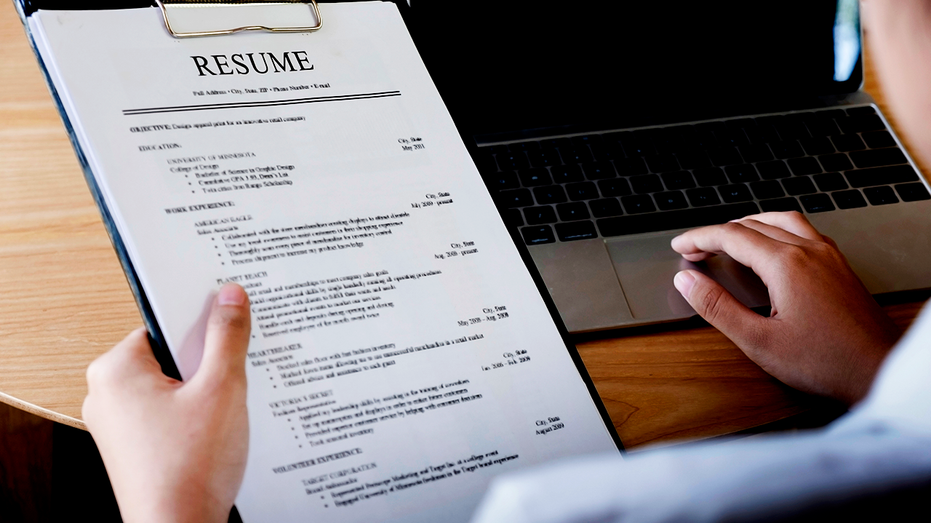
The talent pipeline has also changed as AI-drafted cover letters and credentials arrive with less of the authenticity recruiters and hiring managers look for. Some applications include explicit software prompts. Eyring cited AI-generated résumés that still contain unfilled template brackets instructing applicants to insert personal data.
Workforce advisors caution that as companies set long-term artificial intelligence strategies, technical efficiencies should not displace human relationship management. Algorithms can optimize back-office workflows and draft standard documentation, while brand equity and enterprise negotiations remain dependent on interpersonal intelligence.









