

AI-Generated Resumes Are Flooding Recruiters, Turning the Job Market Into an Arms Race
With 99% of hiring managers using automated screening and 63% of candidates facing AI interviewers, the traditional application process has fundamentally fractured.
The U.S. labor market has entered a technological stalemate. Job seekers are deploying artificial intelligence to mass-produce tailored applications, and employers are responding with their own automated systems to survive the resulting deluge. The consequence is a hiring environment where both sides rely on algorithms to outmaneuver each other, often leaving qualified candidates lost in a sea of indistinguishable profiles.
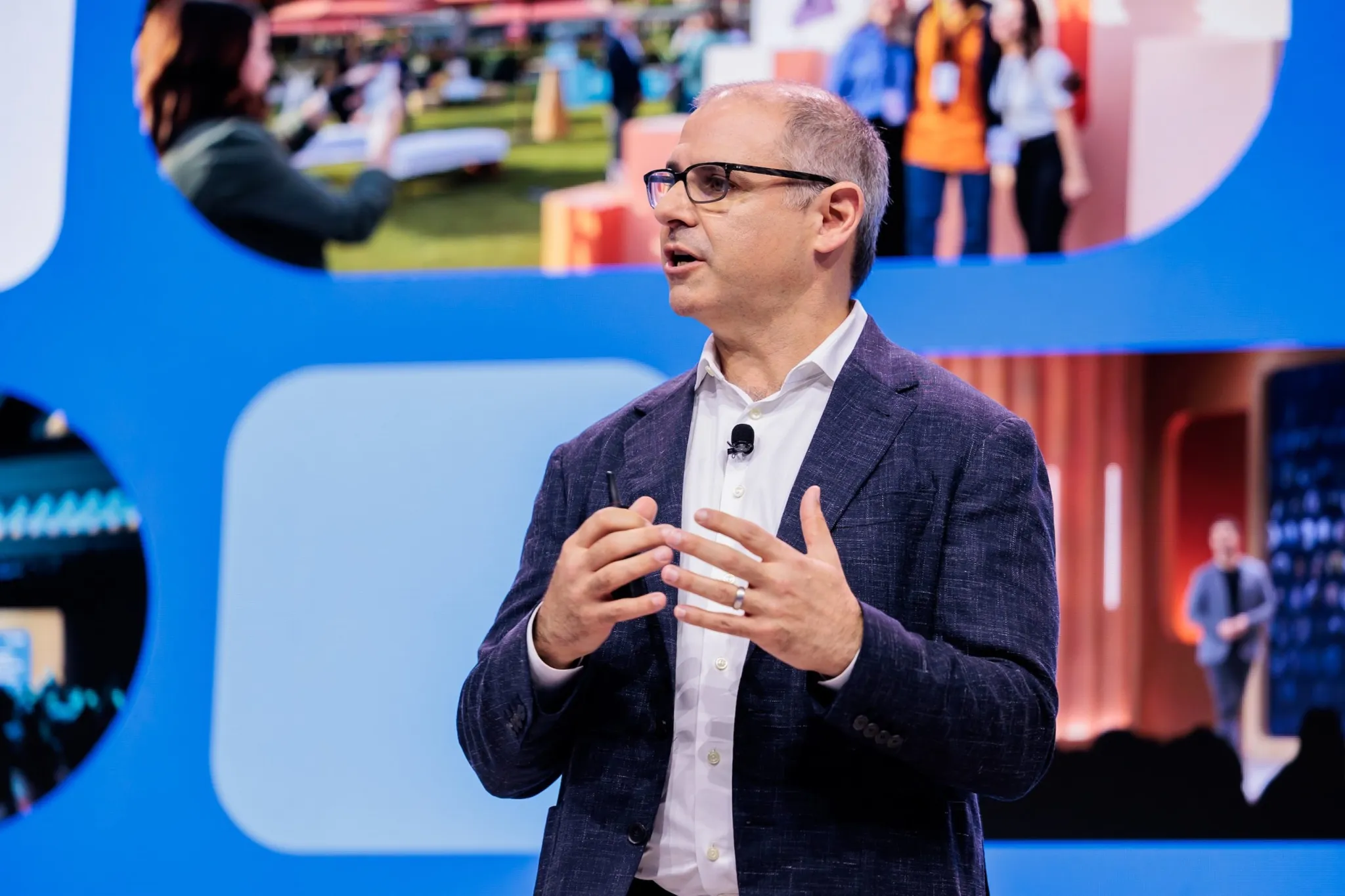
LinkedIn CEO Dan Shapero identified the core friction at the company’s recent Talent Connect conference: AI tools allow applicants to optimize their resumes and cover letters so effectively that hiring managers struggle to differentiate genuine talent from algorithmic polish. Candidates are engineering their materials to match perceived employer preferences, producing thousands of applications that look virtually identical.
This homogenization arrives as the underlying job market tightens significantly. Federal data shows U.S. job openings dropped to 7.08 million in August, a five-month low representing hundreds of thousands of vanished opportunities compared to the prior month. Monthly hiring rates, excluding pandemic-era anomalies, are approaching lows not seen in a decade. With fewer roles available, competition for every posting has intensified sharply.

Data from employment platform Simplify illustrates how drastically candidate behavior has shifted. By May of last year, job hunters averaged 45 applications per month—more than double the 2024 average of 22. The volume scales with education level: master’s degree holders submitted between 32 and 60 applications monthly, while bachelor’s graduates applied to 15 to 38 roles. Overall, application volumes now sit 30% higher than pre-pandemic levels, according to Shapero.
Nearly two-thirds of these candidates use AI for resume writing, interview preparation, and career strategy. But the automation does not end when an application is submitted. A 2025 report from consulting firm Insight Global found that 99% of hiring managers now incorporate AI into their recruitment workflows, with 98% reporting measurable improvements in screening, scheduling, and skills assessment.
To manage the influx, LinkedIn developed its own AI Hiring Assistant. Shapero clarified that the tool does not automatically reject applicants; instead, it narrows massive candidate pools to surface the strongest potential matches for recruiters.
The escalation has moved beyond document screening into direct candidate evaluation. According to research from applicant tracking software provider Greenhouse released earlier this year, 63% of U.S. job seekers have been interviewed by an AI—a figure that jumped 13 percentage points in just six months. Sharawn Tipton, chief people officer at Greenhouse, noted that HR departments are using automated interviewers specifically to “filter the flood” generated by AI-assisted applicants.
Unlike previous shifts in recruitment technology, such as the initial adoption of applicant tracking systems in the early 2000s which primarily digitized paper processes, generative AI fundamentally alters the content being evaluated. Because large language models can produce highly competent-sounding text without corresponding real-world experience, traditional keyword-matching filters frequently fail. This forces employers to adopt increasingly complex behavioral or technical assessments, lengthening the hiring cycle even as automation promises speed.
The burden of this rapid transformation falls disproportionately on workers. Tipton warned that technology is advancing faster than organizational change management, creating a severe trust gap. Recruiters fear obsolescence while candidates navigate a process that looks fundamentally different than it did even a year ago, often without any explanation from the hiring company.
As of late summer, the Bureau of Labor Statistics confirmed that the ratio of unemployed workers to job openings continues to climb, cementing a structural reality where AI-driven application volume will remain high regardless of short-term economic fluctuations.









