From Podcast to Print: How ‘Who? Weekly’ Codified the Modern Celebrity Economy
Bobby Finger and Lindsey Weber analyze the collapse of traditional celebrity tiers in their debut book.
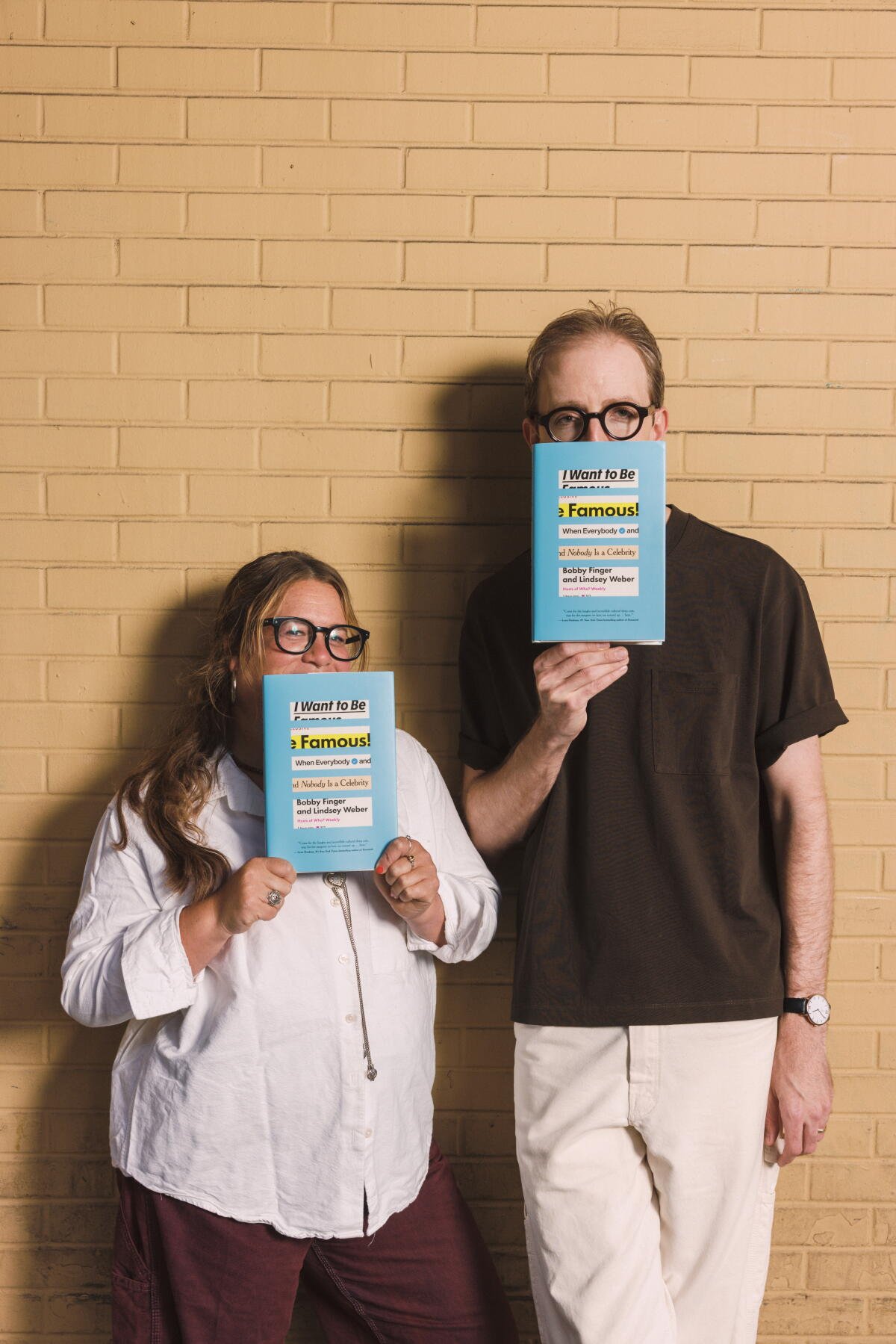
The binary classification of public figures into “Whos” and “Thems” has become a dominant framework for understanding contemporary fame, moving from niche internet slang to mainstream cultural analysis. This taxonomy, popularized by the long-running podcast “Who? Weekly,” is now formalized in the new book “I Want to Be Famous: When Everybody and Nobody Is a Celebrity.” Published by Crown, the volume marks a significant shift for hosts Bobby Finger and Lindsey Weber, transitioning from ephemeral audio commentary to enduring print journalism.
At its core, the system distinguishes between two types of celebrity status. “Thems” refers to established, critically acclaimed icons with broad recognition—figures like Tom Cruise, Taylor Swift, or Beyoncé. In contrast, “Whos” encompasses the aspirational tier: influencers, reality television participants, and lower-tier celebrities seeking validation. A third category, “Nahs,” describes individuals who lack sufficient name recognition to qualify as either. This structure emerged from the hosts’ backgrounds as pop culture journalists who launched the show in 2016 after starting as a newsletter. Their approach was heavily influenced by early 2000s gossip blogs such as Perez Hilton and the LiveJournal community “Oh No They Didn’t,” where user comments were considered integral to the narrative rather than secondary reactions.
The evolution of this dynamic illustrates how social media has blurred traditional lines of stardom. The book examines historical precedents, such as Meghan Markle’s transition from a “Who” (an actress on “Suits”) to a “Them” upon marrying Prince Harry. It also explores the phenomenon of “Thems” behaving like “Whos” through aggressive brand partnerships, and “Whos” attempting to secure legitimacy by dating high-profile partners. These shifts reflect a broader decay in the role of entertainment journalism. Where once Gay Talese’s 1966 profile “Frank Sinatra Has a Cold” set the standard for observational celebrity reporting, modern coverage often relies on uncritical, PR-approved Q&A formats. Finger and Weber argue that the rise of self-promotion via podcasts and social platforms has diminished the gatekeeping power of traditional media outlets.


Despite the comedic tone associated with phrases like “Crunch, crunch” (a reference to Bebe Rexha’s Lay’s sponsorship) or “Good form, Bella Thorne,” the underlying analysis addresses serious changes in audience consumption habits. The authors note that while the podcast operates on a cycle of immediate reaction—existing primarily to be consumed and discarded—the book aims to provide lasting context. This permanence allows for a deeper exploration of why society remains fixated on gossip regardless of the decade. Weber suggests that the ultimate desire driving celebrity worship is authenticity, a quality increasingly difficult to manufacture in an era of curated digital personas.
The release coincides with the tenth anniversary of “Who? Weekly,” highlighting the durability of the show’s community-driven model. Listener engagement on platforms like Discord has expanded the vocabulary of the series, creating extensions of the universe that mirror the participatory nature of earlier web forums. By documenting these linguistic and structural developments, “I Want to Be Famous” serves not just as a collection of anecdotes, but as a case study in the industrialization of attention economy dynamics.