France Student Riots: Budget Cuts Spark Nationwide School Violence
Intelligence agencies link hard-left LFI party to unrest as 400 schools close and arrests exceed 5,000
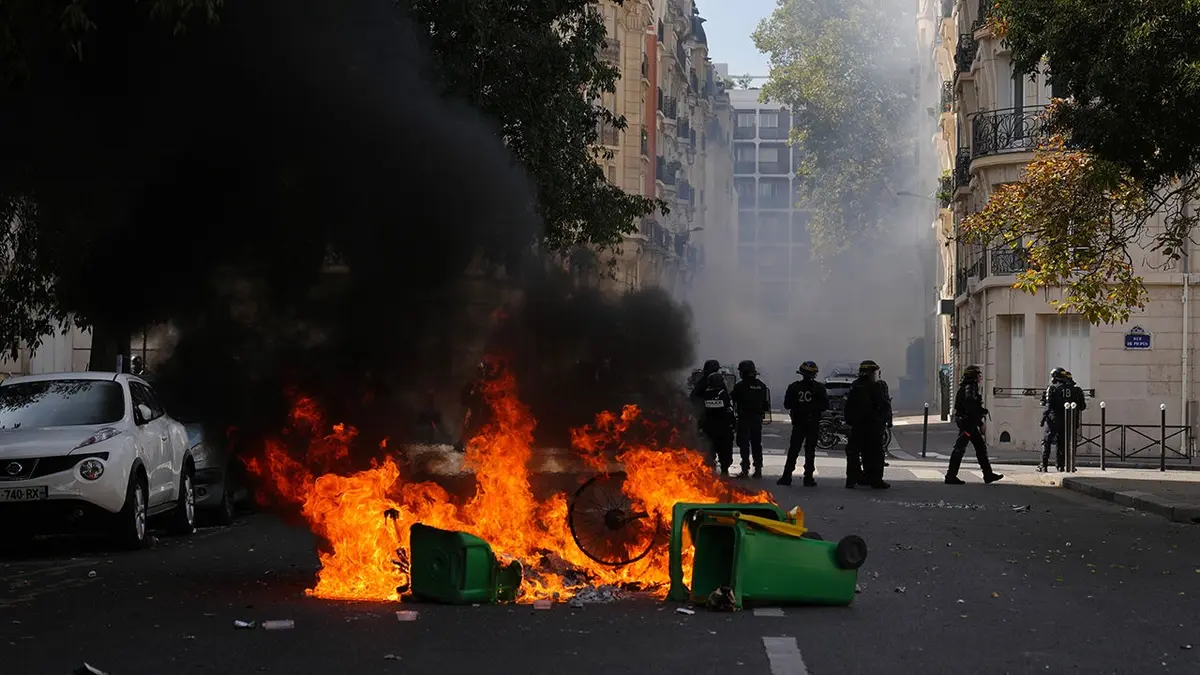
French authorities have arrested more than 5,000 people and closed over 400 schools as student protests against education funding devolved into nationwide rioting. The unrest, which began in late September over classroom overcrowding and teacher shortages, has intensified following the release of a 2027 budget proposal that increases education spending by only 1.7%, a figure below current inflation rates.
The violence has moved far beyond initial demonstrations in Parisian suburbs. Rioters in Marseille, Strasbourg, Toulouse, Lille, Nantes, and Tours have committed arson, vandalized property, and assaulted emergency responders. Education Minister Édouard Geffray confirmed that more than 100 high schools have sustained severe damage. At least 65 school staff members, including 40 principals, and roughly 170 students have been injured since the mobilization began.
While the catalyst was fiscal, the crisis has become a flashpoint in France’s broader political struggle. Intelligence agencies briefed government officials Thursday that the hard-left France Unbowed party (LFI) helped initiate the movement to channel student frustration into wider anti-government confrontation. LFI leadership has denied these allegations, accusing President Emmanuel Macron’s administration of politicizing legitimate grievances ahead of the 2027 presidential election.


Security analysts note that the tactics employed distinguish this wave of unrest from previous student movements. Simone Rodan-Benzaquen, senior envoy to Europe at the Foundation for Defense of Democracies, stated that while original concerns about deteriorating facilities were valid, actions such as dousing a principal in gasoline represent an escalation into extreme violence aimed at destabilizing state authority rather than negotiating policy changes.
The budget dispute highlights structural pressures within the French education system. Real-term spending cuts coincide with chronic staffing deficits and infrastructure decay in working-class districts. Unlike past protests focused solely on labor disputes or pension reforms, this mobilization centers on service delivery failures that directly affect youth, creating a volatile dynamic where policy disagreements rapidly manifest as physical confrontations with police and school administrators.
Law enforcement has responded with tear gas and rubber bullets as blockades continue at major secondary institutions. As of Friday, the standoff remains unresolved, with no new budget concessions announced and arrest numbers climbing daily across multiple departments.