Fall Plant Propagation: October Cuttings Save Money on Next Year’s Garden
Expert timing, techniques, and zone-specific advice for free spring plants
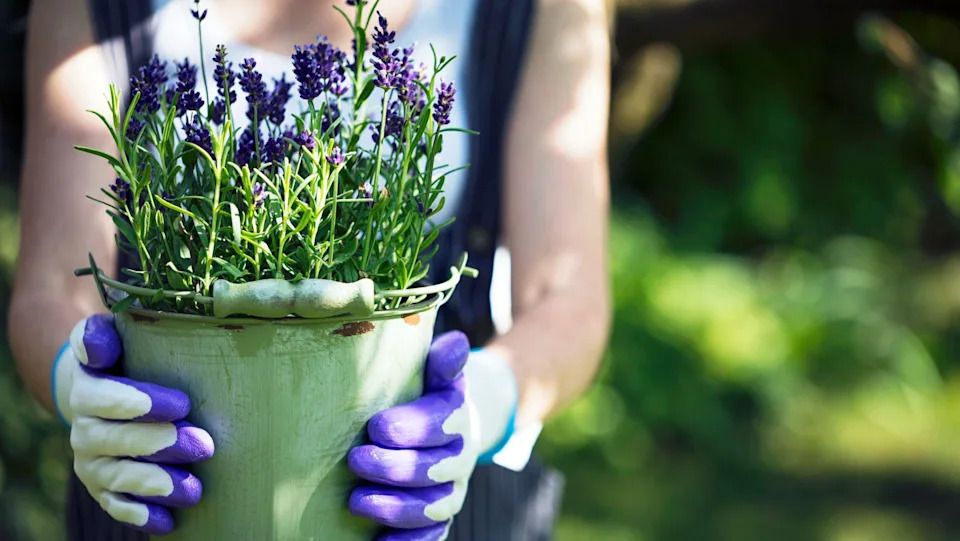
Gardeners looking to expand next spring’s borders without spending a dime at the nursery have a narrow but reliable window opening now. October marks the prime month for taking semi-hardwood cuttings — stems that have matured past the soft, sappy growth of summer but haven’t fully hardened into wood. The technique works because this year’s growth has developed a protective outer layer that resists drying out, a common failure point for softwood cuttings taken in June or July.
Horticulturists at university extension services across the country confirm that lavender, rosemary, fuchsia, boxwood, and holly all root reliably from semi-hardwood material collected in fall. The method essentially clones the parent plant, preserving exact cultivar characteristics that seeds cannot guarantee. For gardeners who’ve invested in named varieties — ‘Hidcote’ lavender, ‘Arp’ rosemary, or specific boxwood cultivars — this is the only way to replicate them faithfully.
The process requires minimal equipment: sharp bypass pruners, sterile soilless mix, small pots, and clear plastic bags to maintain humidity. Rooting hormone, sold as powder or gel under brands like Garden Safe Take Root, accelerates root formation on woody herbs like rosemary and lavender but isn’t strictly necessary for fuchsia or boxwood. What is non-negotiable is cleanliness. Dipping blades in 70% isopropyl alcohol between cuts prevents pathogen transfer, and using fresh, bagged propagation mix eliminates soil-borne fungi that cause damping-off.


Timing varies by USDA zone. In zones 7 and warmer, many cuttings can overwinter in a cold frame or unheated garage with occasional watering. Zone 6 and colder gardeners should plan for indoor space near a bright window, ideally with supplemental grow lights. Fuchsia cuttings, marginal in zone 6, benefit from bottom heat around 70°F. Boxwood and holly are slower — often eight to twelve weeks for visible roots — so starting them now ensures they’re ready for hardening off by April.
Common pitfalls include selecting flowering stems (energy diverts to blooms, not roots), crushing stems with anvil-type pruners, and letting the rooting medium dry out or become waterlogged. The plastic bag humidity dome should be vented gradually once new leaves appear — snip corners daily over three days — to acclimate the cutting to lower humidity before removing the cover entirely.
Cost savings are significant. A single mature lavender plant can yield twenty cuttings; retail price for equivalent plants next spring would exceed $150. Even accounting for a 30% failure rate, the return on invested time is substantial. Master Gardener programs in multiple states report increased propagation workshop attendance this fall, driven partly by rising nursery prices and partly by growing interest in heirloom and pollinator-friendly varieties that commercial growers often don’t stock.
The latest guidance from the USDA’s National Institute of Food and Agriculture emphasizes using peat-free propagation mixes where possible, citing sustainability concerns with sphagnum peat harvesting. Coconut coir-based blends now perform comparably in university trials and are widely available at garden centers.