Everyday Fragrances That Can Harm Your Dog’s Health
Veterinary experts warn that common household scents, from essential oil diffusers to laundry residue, drive chronic skin and respiratory conditions in pets.
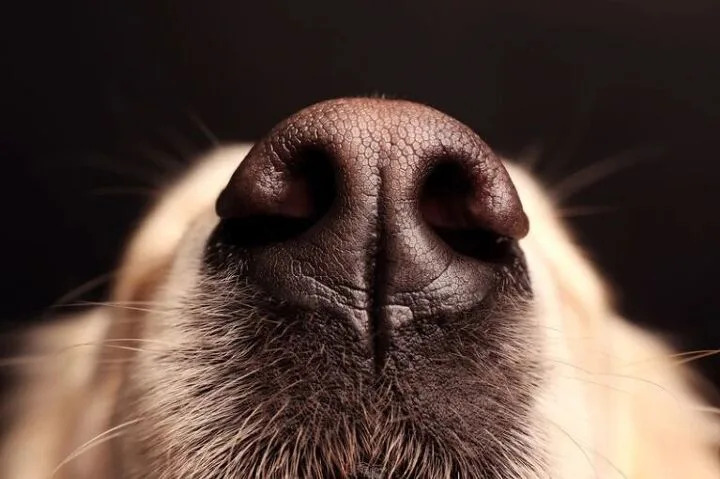
Dogs possess up to 300 million olfactory receptors, compared to roughly 6 million in humans. This biological reality means the ambient scent of a typical American household registers to a dog not as a pleasant background note but as an intense, continuous chemical exposure. For pet owners, understanding how everyday fragranced products interact with canine physiology is increasingly recognized by veterinary professionals as a core component of indoor environmental safety.
The most immediate threats often come from products marketed as natural or botanical. Essential oil diffusers and scented candles frequently utilize compounds that are directly toxic to dogs. Tea tree oil, eucalyptus, peppermint, pine, and citrus extracts contain terpenes and phenols that a dog’s liver cannot efficiently metabolize. When dispersed into the air via ultrasonic diffusers, these micro-droplets settle on a dog’s fur and are subsequently ingested during grooming. Inhalation alone can trigger central nervous system depression, tremors, and acute respiratory distress. Plug-in air fresheners operate similarly, continuously releasing volatile organic compounds (VOCs) into enclosed spaces where dogs, lacking the ability to open doors or leave rooms, cannot escape the concentration buildup.



Direct application of perfumes, colognes, and body sprays introduces a different vector of exposure. Many commercial fragrances rely on phthalates to extend scent longevity, chemicals that act as endocrine disruptors in mammals. Because dogs frequently rest their heads against their owners’ necks, wrists, and clothing, close-proximity fragrance application forces concentrated alcohol and synthetic aromatic compounds directly into the animal’s nasal cavity. Rollerball formats using hypoallergenic, alcohol-free bases reduce aerosolized drift, though owners must still verify that “natural” perfume ingredients do not include concentrated essential oils dangerous to pets.

Floor surfaces present a dual hazard involving both inhalation and ingestion. Heavily scented household disinfectants and floor cleaners leave behind residues that dogs contact directly through their paw pads. More critically, dogs routinely lick floors and their own paws. Cleaners containing quaternary ammonium compounds (quats), bleach, or ammonia can cause severe oral ulcerations, gastrointestinal burns, and systemic toxicity when ingested. The ASPCA Animal Poison Control Center consistently ranks household cleaning agents among the top ten causes of pet poisoning calls annually. Switching to fragrance-free, multi-surface enzymatic cleaners eliminates both the VOC off-gassing and the risk of caustic residue ingestion without sacrificing sanitation.

Prolonged dermal exposure through laundry routines is a frequently overlooked mechanism for chronic irritation. Dogs spend the majority of their resting hours pressed against blankets, bedding, and upholstery. Scented laundry detergents and fabric softeners deposit synthetic fragrances and surfactant residues deep into textile fibers. Over time, this constant friction and contact can break down the skin barrier, triggering allergic contact dermatitis. Symptoms often mimic environmental allergies—excessive scratching, redness on the belly and armpits, and recurrent ear infections—leading owners to treat the symptom rather than identifying the laundered textiles as the root cause. Enzyme-based, fragrance-free laundry powders designed specifically for pet environments break down biological odors without leaving sensitizing chemical films on fabrics.

Veterinary dermatologists and toxicologists advise that odor management should focus on source elimination through ventilation and enzymatic breakdown rather than chemical masking. If a dog exhibits sudden sneezing, reverse coughing, watery eyes, lethargy, or excessive paw licking after a home has been cleaned or fragranced, the exposure should be treated as a potential toxicological event requiring immediate veterinary assessment.
In September 2026, the U.S. Environmental Protection Agency advanced updated Safer Choice standard criteria for household cleaning products, expanding testing requirements for VOC emissions and mandating clearer labeling regarding pet-specific toxicity risks for products carrying the certification mark.