White House Rhetoric Faces Physical Limits as Strait of Hormuz Bottlenecks and Reserves Deplete
Historical analysis shows presidential rhetoric can temporarily suppress oil price surges, but tightening fundamentals threaten market stability.
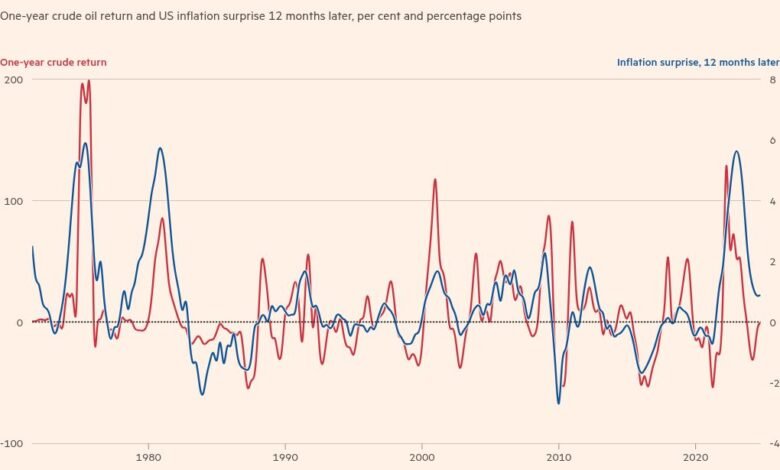
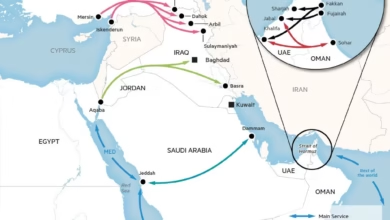
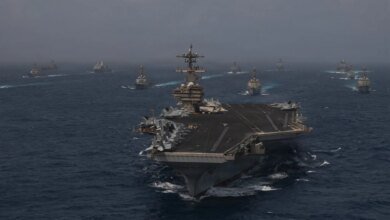
The ongoing military conflict involving Iran has renewed focus on how U.S. presidential rhetoric is deployed to manage volatile energy markets. While vessel flow through the Strait of Hormuz remains effectively halted and global oil inventories draw down at record speeds, confident statements from Washington have provided temporary breaks in surging crude prices.
An analysis by research firm Société Générale evaluated 27 public statements made by President Donald Trump between late February and the mid-June breakdown of a ceasefire memorandum of understanding. The study found that presidential assurances of limited escalation, domestic production strength, and quick supply resolution reduced oil prices by an average of 0.31 percent the following day, with the single sharpest daily drop reaching 13.2 percent.
Presidential communication has long served as a strategic tool during energy shocks, which carry immediate risks for consumer confidence and inflation expectations. The modern blueprint for White House energy messaging was shaped significantly by a policy misstep in 1977, when President Jimmy Carter publicly declared that oil and natural gas were running out and that global production would fail to meet demand. Rather than encouraging conservation without panic, Carter’s emphasis on scarcity destabilized financial markets, fueling inflation and driving oil prices significantly higher.
Subsequent administrations adopted the opposite approach, prioritizing narrative control alongside policy execution. Ronald Reagan emphasized market deregulation and domestic production capacity. During the 1990–1991 Gulf War, President George H.W. Bush framed supply threats as manageable while coordinating releases from international reserves to prevent market panic. Similar operational playbooks were executed by Barack Obama during the 2011 Libyan supply disruption and by Joe Biden following Russia’s 2022 invasion of Ukraine, where a coalition of over 30 nations made coordinated reserve drawdowns.

The Strategic Petroleum Reserve, established in the wake of the 1973 oil embargo to safeguard against severe supply disruptions, remains a central mechanism in mitigating energy shocks. Tracking of global supply buffers by the U.S. Energy Information Administration highlights that while verbal interventions can influence short-term trading sentiment, physical realities eventually dictate market direction.

Despite recent verbal efforts to reassure global traders, underlying market fundamentals remain tight. Both crude oil and refined product stockpiles are declining globally, U.S. reserves remain low, and transit through the Strait of Hormuz continues to face severe operational paralysis.