Proposed US Senate Cap on Chinese Equity Threatens Mercedes-Benz Vehicle Sales
Legislation targeting Chinese ownership in smart cars sparks debate over national security and collateral damage to European automakers.
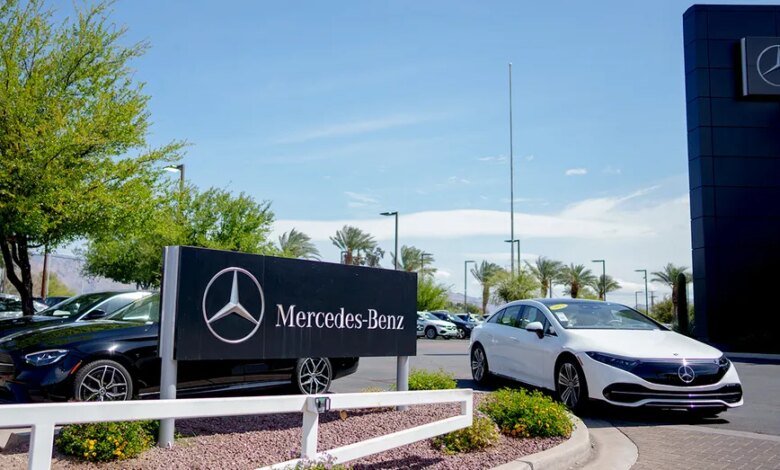
Bipartisan legislation advancing through the U.S. Senate targeting foreign technology in smart automobiles could unexpectedly ban Mercedes-Benz from selling connected vehicles in the American market due to the German manufacturer’s Chinese equity structure.
Approved last week by the Senate Commerce Committee, the bill introduces a strict 15% cap on Chinese ownership for any automaker seeking to import, produce, or sell connected vehicles in the United States. Sponsored by Sens. Elissa Slotkin (D-Mich.) and Bernie Moreno (R-Ohio), the measure seeks to prevent foreign adversaries from leveraging vehicle software and sensor networks for espionage.
Modern connected vehicles rely on extensive suites of cameras, radar, microprocessors, and cellular modems that constantly communicate with remote servers to enable navigation, driver assistance, and over-the-air updates. Lawmakers supporting the restriction argue that these data-gathering capabilities pose a direct national security threat if accessible by foreign governments.
“Chinese cars are surveillance packages on wheels, with the ability to collect on American citizens and transmit that data back to Beijing,” Slotkin said in a statement accompanying the legislation.
While aimed primarily at Beijing-based manufacturers, the 15% ownership threshold directly ensnares Mercedes-Benz Group AG. Two Chinese investors—state-owned Beijing Automotive Group Co. (BAIC) and Li Shufu, chairman of Zhejiang Geely Holding Group—collectively hold an equity stake of nearly 20% in the Stuttgart-based automaker.
The prospect of blocking a premier European brand has sparked sharp disagreement among key lawmakers. Sen. Ted Cruz (R-Texas), chairman of the Commerce Committee, warned that the bill in its current form would effectively force Mercedes-Benz out of the U.S. automobile market, calling such an outcome unacceptable.
Cruz publicly accused General Motors of orchestrating the ownership threshold to handicap a prominent luxury rival and boost its domestic Cadillac line. He also pointed to a separate provision backed by GM that would mandate automakers source pricier domestic batteries, estimating it could add up to $5,000 to the retail cost of affected vehicles.
General Motors rejected assertions that the bill was designed to eliminate specific competitors, stating that it supports policies aimed at protecting domestic manufacturing and maintaining a level playing field for U.S. auto producers.
Mercedes-Benz highlighted its substantial industrial footprint in the United States, which includes a flagship assembly plant in Vance, Alabama, employing thousands of domestic workers. In an official statement, the company affirmed its support for national security regulations while confirming ongoing efforts to ensure new rules do not disrupt its U.S. operations, workforce, or dealer networks.
To mitigate unintended market disruptions, the draft bill includes a waiver process allowing the U.S. Department of Commerce to grant discretionary authorization for non-compliant automakers on a case-by-case basis.
Beyond equity caps, the legislative push is already accelerating shifts in global automotive supply chains. According to Moreno, GM plans to relocate production of its Chinese-built Buick Envision to domestic facilities for the 2028 model year, while Ford Motor Company has pledged to shift production of Chinese-assembled Lincoln models back to the United States. Autonomous vehicle company Waymo has similarly paused platform discussions with Geely to evaluate Detroit-based vehicle suppliers.
The Senate committee action follows executive branch measures targeting Chinese-connected transportation infrastructure. The U.S. government previously enacted sales bans against Polestar connected vehicles beginning in the 2027 model year due to its majority ownership by Geely, though sister brand Volvo Cars secured regulatory approval to continue U.S. sales earlier this year.
The proposed legislation requires passage by the full Senate and House of Representatives before reaching the president’s desk to become law.