English Football to Trial 10-Man Penalty to Stop Goalkeeper Injury Feigning
Clubs will be forced to play with 10 men for one minute when goalkeepers receive physio treatment under new IFAB trial.
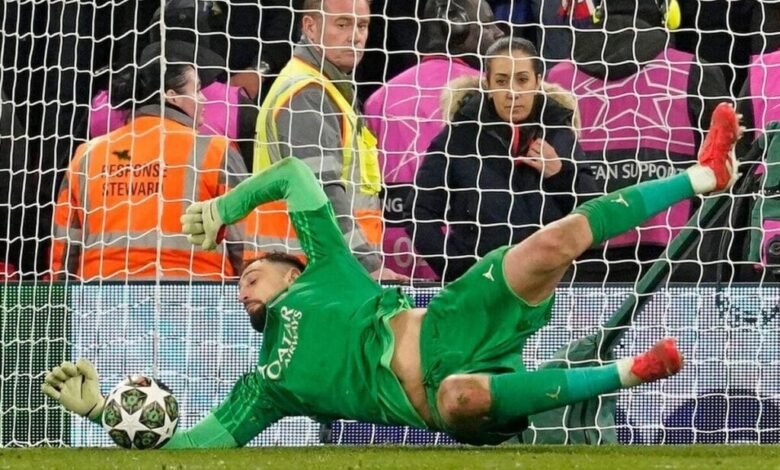
English football will launch a new rule trial this season aimed at eradicating tactical delays caused by goalkeepers feigning injuries, requiring teams to play short-handed whenever their goalkeeper receives medical attention.
Sanctioned by the International Football Association Board, the joint initiative across the Premier League, English Football League, National League, Women’s Super League, and Football Association introduces a 10-man numerical disadvantage to deter deliberate stoppages.
The pilot officially debuts on Saturday during a Carabao Cup preliminary-round tie between Tranmere Rovers and Rochdale. Under the updated protocol, if a referee summons physios to treat an injured goalkeeper, that goalkeeper’s team must withdraw an outfield player for one minute after play restarts.
Technical staff will be given 10 seconds to notify the fourth official which player will leave the pitch. If the coach fails to choose within the allotted window, the team captain must automatically step off the field.
The policy targets a growing trend where goalkeepers collapse to force an artificial timeout, enabling teammates to gather near the bench for tactical advice while disrupting the opposition’s momentum. While outfield players are already required to leave the pitch for 60 seconds following medical treatment, goalkeepers were historically exempt due to safety concerns and positional necessity. English authorities concluded that enforcing a temporary 10-man penalty offers a far stronger deterrent than merely ordering players away from the touchline.
Exceptions have been established to protect player safety and prevent unfair penalties. An outfield player will not be forced to leave if the goalkeeper requires no treatment, if the goalkeeper collides with a teammate, if the goalkeeper is fouled, or if the goalkeeper is bleeding. Furthermore, if a goalkeeper suffers a serious injury or concussion requiring immediate substitution, the replacement can be made right away without delay.
The tactical manipulation of medical breaks has drawn sharp criticism across English football. Leeds United manager Daniel Farke previously complained about tactics aimed at bending the rules, highlighting an incident involving Manchester City goalkeeper Gianluigi Donnarumma during a high-stakes match.
Australia’s A-League is trialing a similar variation where the team captain is always designated as the player required to leave the field. IFAB will evaluate data gathered throughout the season before deciding whether to introduce the rule permanently into world football for the 2027-28 campaign.