Smartwatches Offer Algorithmic Estimates Rather Than Accurate Calorie Counts, Studies Show
Despite advanced sensors for heart rate monitoring, popular fitness trackers rely on indirect math that can miscalculate energy expenditure by significant margins.
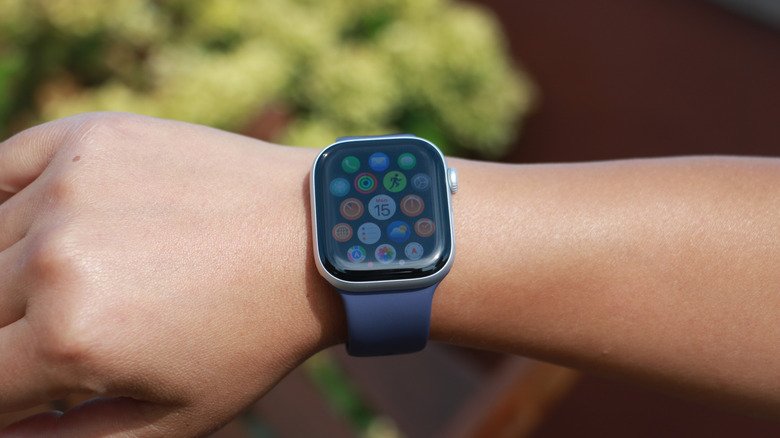
While millions of users rely on smartwatches for daily calorie tracking, biological and sensor limitations mean wrist-worn devices like the Apple Watch yield calculated estimations rather than precise measurements of calorie burn.
Although modern wearables excel at optical heart rate monitoring, assessing energy expenditure from the wrist requires indirect mathematical modeling. In clinical settings, the gold standard for measuring metabolic rate involves indirect calorimetry—analyzing breath composition using specialized face masks to measure exact oxygen consumption and carbon dioxide production. Lacking the ability to directly measure cellular respiration or metabolic rate, consumer wearables must rely on proxy calculations combining physical movement, pulse rate, and user-provided profile data.
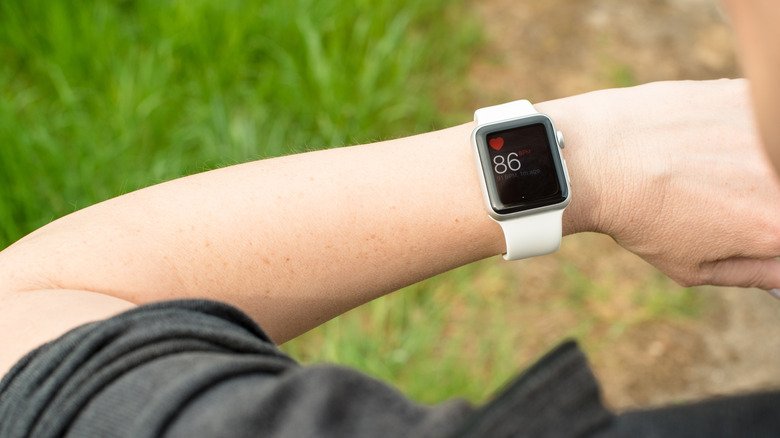
Rigorous evaluations highlight a significant gap between wearable outputs and actual metabolic data. A study published in the Journal of Personalized Medicine by researchers at the Stanford University School of Medicine evaluated 60 volunteers using seven popular wrist-worn devices, including fitness trackers from Apple, Fitbit, Microsoft, and Samsung. When benchmarked against clinical-grade electrocardiographs and metabolic carts, heart rate readings proved generally dependable, but calorie measurements varied wildly. The most accurate device deviated from true metabolic output by an average of 27 percent, while the least accurate miscalculated burn rates by 93 percent.
Senior author Dr. Euan Ashley expressed surprise at how far off the energy expenditure figures were across all test subjects. Co-author Anna Shcherbina pointed out that writing software algorithms capable of accurately accounting for individual biological diversity presents an immense technical challenge. Variations in baseline muscle mass, metabolic efficiency, height, weight, and cardiovascular conditioning mean two individuals performing identical physical movements can burn drastically different amounts of energy.

A separate research report in Nature demonstrated that calculating metrics through multiple simultaneous sensors introduces compounding structural errors. Smartwatches rely on photoplethysmography (PPG) sensors to measure heart rate by flashing green light into blood vessels beneath the skin. External variables such as skin tone, sweat accumulation, ambient temperature, or slight device shifts on the wrist can distort optical readings, causing consequential errors when that data feeds into downstream calorie-estimating algorithms.
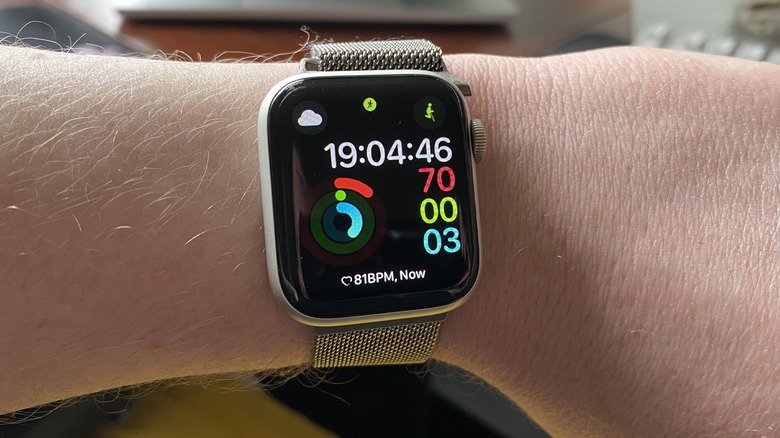
To detect exercise, smartwatches process raw sensor feeds through trained machine learning models. Built-in accelerometers and gyroscopes monitor wrist motion, while outdoor GPS tracks velocity and distance. Specific movement profiles allow the operating system to infer activity types—distinguishing the rhythmic arm movements of rowing from the stationary hand position of cycling or the steady cadence of walking. While user height and weight inputs help refine these statistical models, the resulting calorie readout remains a generalized estimate rather than a verified medical fact.