Trump Threatens EU Tariffs Following $1 Billion Antitrust Fine on Google
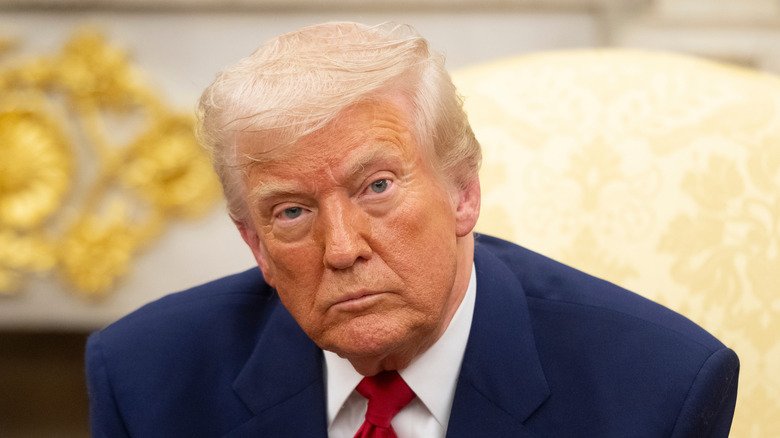
President Donald Trump has announced plans to launch a trade investigation into the European Union under Section 301 of the Trade Act of 1974, threatening new import tariffs in response to regulatory penalties imposed on American technology firms.
The move follows a €890 million ($1 billion) fine levied against Google by the European Commission over allegations of anti-competitive practices. Writing on Truth Social, Trump criticized the EU’s enforcement actions, declaring that the United States would no longer tolerate being treated as a “piggybank” for foreign regulators.
In his post, Trump stated that the US would immediately initiate a probe into what he described as the practice of “robbing” American companies and taxpayers. He indicated that the inquiry is aimed at reversing European penalties and would likely lead to “a substantial TARIFF” on European imports.
The regulatory conflict stems from a European Commission ruling against Google, which concluded that the technology giant abused its dominance by favoring its own travel and shopping search tools over competitors. EU officials also cited anti-steering violations, determining that Google restricted application developers from informing users about cheaper payment alternatives outside the Google Play Store.
Those practices violated the European Union’s Digital Markets Act, a 2022 landmark statute designed to curb the dominance of major tech platforms. The regulation has also provided the legal basis for active antitrust scrutiny and fines against other American tech companies, including Meta and Apple.
By initiating a probe under Section 301, Washington is drawing on broad trade authority granted to the Office of the United States Trade Representative. The statute allows the USTR to investigate foreign policies that burden US enterprise and serves as a legal gateway to enact retaliatory trade barriers.
The administrative pivot to Section 301 follows a Supreme Court ruling in February that struck down previous executive global tariffs. With broader unilateral tariff tools limited by the court, statutory mechanisms like Section 301 have become central to the administration’s trade strategy. However, decisions made under Section 301 require formal investigative findings and remain open to judicial review and legal challenges both domestically and internationally.