Crypto Markets Dip on U.S. Tariff Jitters as NYSE Advances 24/7 Tokenized Asset Plans
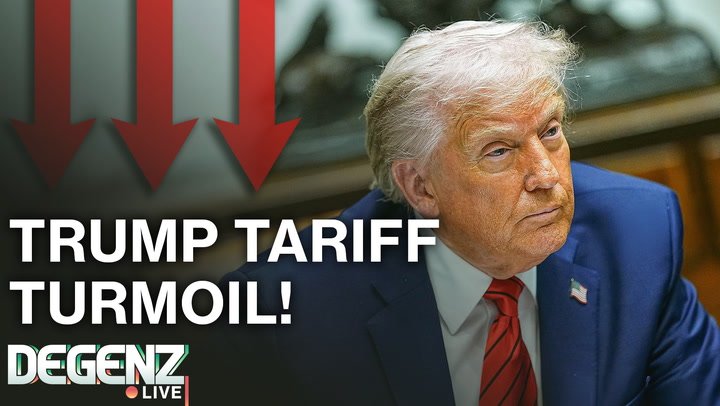
Cryptocurrency prices tumbled across major tokens as trade tariff uncertainty from the incoming Trump administration stoked macroeconomic anxiety, ending a four-day streak of institutional inflows into digital asset products. Bitcoin dropped 2 percent to $91,100, while Ethereum led major asset declines, shedding 4 percent to $3,105. Solana fell 3 percent to $129, and XRP retreated 2 percent to trade at $1.93.
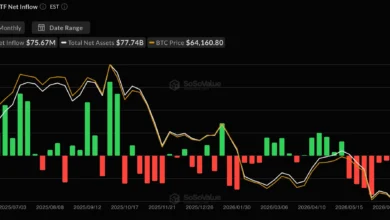
The market retreat coincided with heavy selling in spot Bitcoin exchange-traded funds, which registered $394 million in net outflows on Friday. Institutional capital flows into spot crypto ETFs—approved by U.S. regulators in early 2024—have become a key gauge of macroeconomic liquidity sentiment. In contrast, spot Ethereum ETFs managed to retain modest positive momentum, recording $4.7 million in net inflows over the same period.
Macroeconomic policy changes, particularly potential cross-border trade tariffs, frequently create market volatility by strengthening the U.S. dollar and pushing up bond yields, which temporarily depresses demand for non-yielding speculative assets. Despite broader market pressure, select altcoins recorded notable gains, with CC rising 12 percent, MYX advancing 5 percent, and SYRUP gaining 4 percent.
Simultaneously, traditional financial institutions continue to push deeper into blockchain technology. The New York Stock Exchange initiated formal preparations to enable round-the-clock trading for tokenized equities and exchange-traded funds. Traditional equities markets operate within standard weekday hours, making 24/7 tokenized trading a major structural evolution that would allow market participants to trade equity assets with immediate settlement at any time, mirroring crypto market mechanics.
Corporate balance sheets also reflected ongoing crypto integration. Fast-food chain Steak ‘n Shake disclosed approximately $10 million in Bitcoin exposure and revealed plans to establish a dedicated corporate strategic reserve. The move follows a corporate treasury strategy pioneered by firms such as MicroStrategy, which allocate capital to digital assets to hedge against fiat currency devaluation.
In sovereign adoption developments, Bermuda outlined an ambitious strategy to transition toward a fully onchain national economy. Partnering with major industry infrastructure providers Coinbase and Circle, the island nation plans to deploy blockchain networks for native payment systems, digital identity solutions, and tokenized financial infrastructure. Bermuda has long maintained a tailored regulatory landscape for digital assets through its Digital Asset Business Act, positioning itself as a hub for regulated crypto institutions.
Onchain ecosystem activity presented stark divergences between newly launched tokens and established meme coins. $Trove plummeted 90 percent during its Token Generation Event (TGE), prompting the announcement of a dedicated “Pump Fund” to support market liquidity. Meanwhile, premier meme assets traded mostly lower, with Dogecoin down 1 percent, Shiba Inu down 1 percent, PEPE dropping 2 percent, and SPX sliding 12 percent. Outliers in decentralized trading saw sharp rallies, led by Eliza Town soaring 800 percent, USOR climbing 70 percent, and GSD gaining 50 percent.
Addressing long-term infrastructure issues, Ethereum co-founder Vitalik Buterin advocated for modernized Decentralized Autonomous Organization governance models. Buterin argued that existing DAO structures require higher standards of financial accountability, better coordination mechanisms, and strategic planning to ensure long-term sustainability across decentralized protocol treasuries.