Beyond the Founder: FedEx CEO Raj Subramaniam Navigates a New Era of ‘Re-globalization’
How Raj Subramaniam is steering the logistics giant through geopolitical shifts and a historic leadership transition.

“If you don’t like change, you’re going to hate extinction.”
For Raj Subramaniam, the chief executive of FedEx, that isn’t just a provocative management maxim—it is the operating thesis for a company currently navigating the most volatile period in the history of global logistics. Speaking at the company’s Memphis headquarters, Subramaniam detailed a world defined by what he calls “re-globalization,” a shift where supply chain disruption is no longer an anomaly but a permanent fixture of the corporate landscape.
As a bellwether for the global economy, FedEx moves nearly 19 million packages per day. This vantage point gives Subramaniam a front-row seat to the tectonic shifts caused by geopolitical conflict, shifting tariffs, and the restructuring of trade routes. While the post-Cold War era was defined by a rush toward low-cost, offshore manufacturing, the current era is one of diversification and resilience. For FedEx, this means adapting to a world where the flow of goods is being rerouted by political necessity as much as by consumer demand.
Subramaniam’s leadership comes at a pivotal moment for the shipping giant. He is only the second CEO in the company’s 53-year history, having taken the reins in 2022 from legendary founder Fred Smith. The transition reached a somber milestone one year ago when Smith died at the age of 80. Replacing a founder who essentially invented the modern express delivery industry is a challenge few executives ever master, but Subramaniam views his tenure through the lens of continuity and evolution.
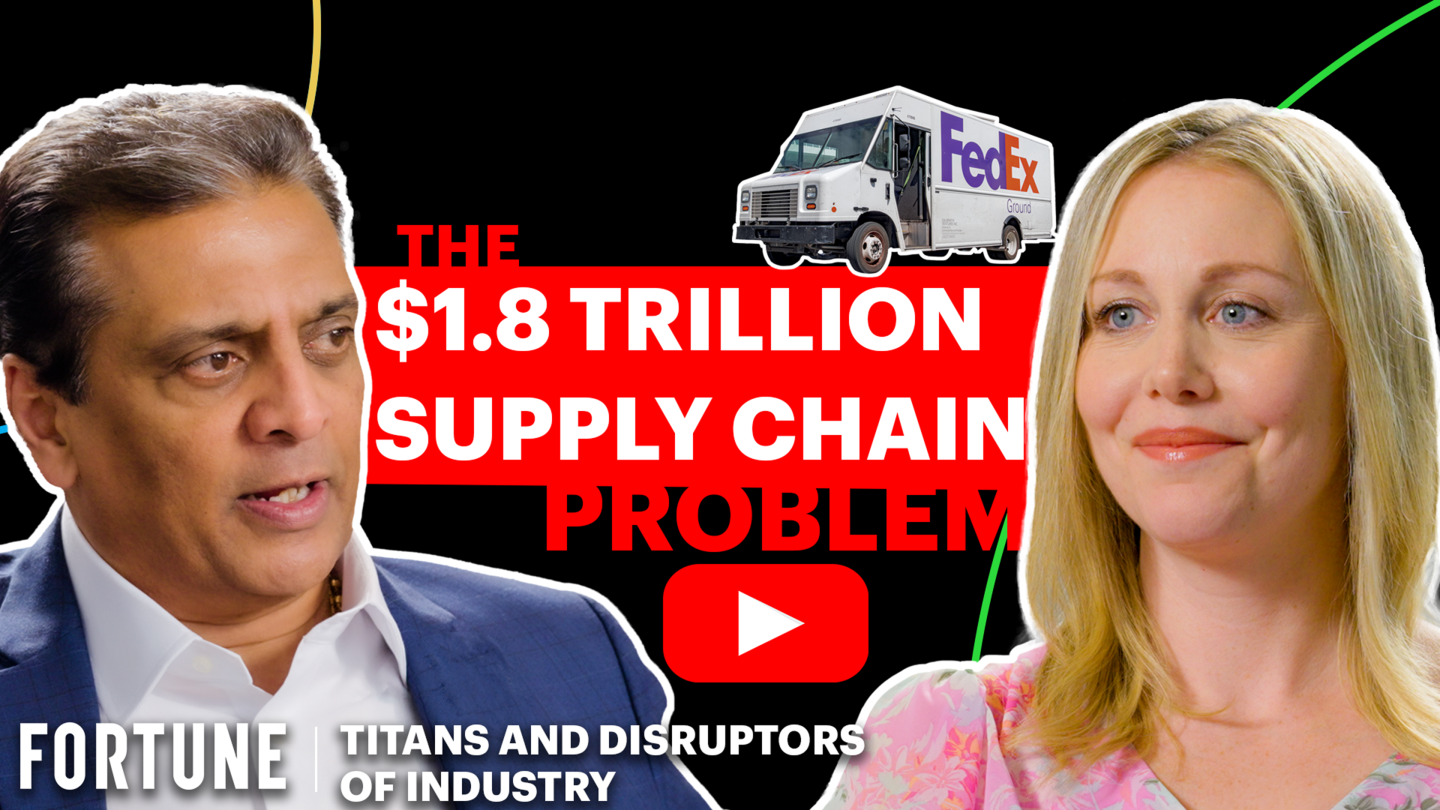
“I always say that I can see far because I’m standing on the shoulders of a giant,” Subramaniam said, reflecting on his multi-decade ascent from an entry-level position to the C-suite. Despite being groomed for years as president and chief operating officer, he admits that the reality of the top job is starkly different from the preparation. “When the time came, I said, ‘I can do this,’ but no, the whole thing changed… This is a whole different level.”
The transition required Subramaniam to pivot from execution to strategy, often involving the difficult task of saying “no” to a barrage of requests to maintain focus. To anchor his leadership, he developed a personal CEO job description and specific KPIs, with a primary focus on being a guardian of the FedEx culture. In his final conversations with Smith, Subramaniam promised that while technology and personnel might change, the core values that built the company would remain sacrosanct.
That technology is already evolving rapidly. One of the company’s most promising ventures—an AI-powered data business—originated from an unlikely source: a young employee who brought the idea directly to the CEO. This focus on innovation comes as the broader tech landscape faces new hurdles. In New York, Gov. Kathy Hochul recently signed an executive order creating a year-long moratorium on new hyperscale data centers, a first-of-its-kind move intended to ensure that “when companies succeed because of New York, New Yorkers succeed too.”
Subramaniam’s cautious but forward-looking optimism stands in contrast to some of his peers in the financial sector. JPMorgan Chase CEO Jamie Dimon recently issued a grim warning despite reporting record quarterly revenue. Dimon flagged the risks of a bubbly market, noting that “it’s getting close to as good as it gets” and questioning how long the current economic strength can persist.
The broader economic landscape is also seeing a fundamental shift in how wealth and businesses are managed. New data from Bank of America indicates a deepening trend in wealth concentration; 23% of businesses owned by wealthy Americans are now inherited, a sharp rise from just 11% in 2022. This reversal suggests that more companies are staying private longer, with estate tax rules making it more attractive to pass down assets than to sell them.
As FedEx navigates these macroeconomic crosscurrents, Subramaniam remains focused on the long game. Whether it is managing the $1.8 trillion supply chain problem or fostering internal innovation, his goal is to ensure the giant he stands upon continues to move forward in an era where the only constant is change.