Biogen’s Tau-Targeting Drug Shows Promise in Shifting Alzheimer’s Treatment Frontier
Experimental drug diranersen shows 26% reduction in cognitive decline in early-stage study, signaling a shift toward tau-based therapies.
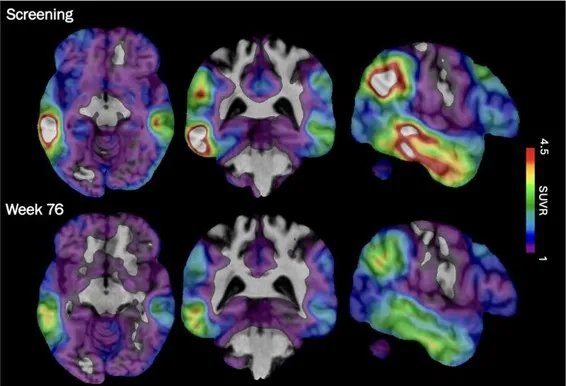
For decades, the pharmaceutical industry’s battle against Alzheimer’s disease has been largely defined by a singular focus on clearing amyloid plaques. However, new data presented Tuesday suggests the next breakthrough may come from targeting the other half of the disease’s “toxic duo”: a protein called tau.
Researchers at the Alzheimer’s Association International Conference in London reported that an experimental drug from Biogen, known as diranersen, successfully lowered levels of tau protein in the brain. More significantly, the study provided early evidence that the drug could slow cognitive decline in patients with early-stage symptoms, potentially offering a new mechanism of action that differs fundamentally from current blockbuster treatments.
While existing therapies like lecanemab (Leqembi) and donanemab (Kisunla) work by scrubbing the better-known amyloid protein from the brain, diranersen takes a more preventative approach. It is classified as an antisense oligonucleotide—a type of precision medicine that doesn’t just attack existing protein buildup but instead provides genetic instructions to the body to produce less of the protein in the first place.
“If you lower tau production, you are lowering the amount of the abnormal tau that needs to be cleared by the microglia, by the clearance mechanism in the brain,” explained Dr. Cath Mummery of University College London, who led the study. “And so you are enabling the normal clearance mechanism to have more capacity to clear the tau.”
The study, which followed approximately 400 participants with mild cognitive impairment or mild Alzheimer’s, revealed a nuanced set of results. Biogen and its partner, Ionis Pharmaceuticals, had previously noted a “counterintuitive surprise” in the data: the lowest dose of the drug, administered just once every six months, appeared to have the most potent effect. Because higher doses did not yield greater benefits, the study technically missed its primary goal of showing a traditional dose-response relationship.
Despite that statistical hurdle, the clinical signals were encouraging. Across five of six different cognitive assessments, patients receiving diranersen saw their memory and thinking skills worsen more slowly than those on a placebo. In the most successful test group, the drug was associated with a 26% reduction in cognitive decline—a figure that Mummery noted is “approximately the same” as the efficacy seen in the landmark trials for amyloid-clearing therapies.
The delivery method also marks a departure from current standards. While amyloid drugs are typically administered via intravenous infusions or subcutaneous injections into the bloodstream, diranersen is injected directly into the fluid surrounding the spinal cord. This provides a more direct pathway to the central nervous system, bypassing the restrictive blood-brain barrier that often limits the effectiveness of neurological drugs.
“This is really quite promising if it were to hold up” in larger, late-stage clinical trials, said Jessica Langbaum of the Banner Alzheimer’s Institute in Phoenix. Dr. Reisa Sperling of Mass General Brigham added that while it is still “early days,” the results are likely to “reinvigorate interest and investment in lots of tau mechanisms.”
The industry’s pivot toward tau comes as scientists increasingly believe that while amyloid plaques begin forming 20 years before symptoms appear, it is the subsequent development of tau “tangles” that actually triggers the death of neurons and the onset of dementia. This shift is fueling a wave of diverse research efforts. For instance, the University of California, San Francisco, recently launched the Alzheimer’s Tau Platform, a federally funded study testing various treatments, including a vaccine called AADvac1 designed to train the immune system to fight toxic tau.
Other firms are exploring even broader connections. NewAmsterdam Pharma is investigating whether its cholesterol-lowering drug, obicetrapib, might mitigate Alzheimer’s risk in carriers of the APOE4 gene, which is linked to both lipid processing and protein buildup in the brain. Meanwhile, Denali Therapeutics, led by CEO Ryan Watts, is developing “transport vehicle” technology to help drugs more efficiently cross the blood-brain barrier by “hitching a ride” on the body’s natural iron transport systems.
For Biogen, the diranersen data represents a critical step in diversifying its neurobiology portfolio. While the drug did cause some temporary side effects, such as injection site pain and short-term confusion, it notably did not show signs of the brain inflammation often associated with amyloid-targeting drugs. Biogen is now moving forward with plans for a larger, more definitive study to prove the drug’s clinical benefit for the more than 7 million Americans currently living with the disease.