

Bank of America Spends $250 Million Annually on GLP-1 Coverage as CEO Defends Soaring Costs
CEO Brian Moynihan calls the massive wellness expenditure a worthy investment despite rollback trends at other major corporations
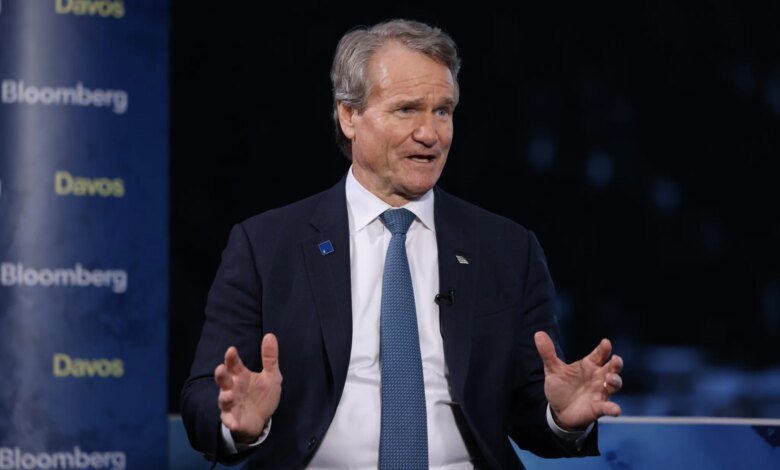
Bank of America Corp. is spending $250 million or more annually to cover GLP-1 weight-loss medications for its employees, a major commitment that CEO Brian Moynihan defended as a highly valuable investment despite the soaring costs that have led other large corporations to scale back coverage.
It’s part of a wider $2 billion a year wellness package for employee healthcare at the $436 billion bank. Staffers may have to cover the premium or copay for their GLP-1s, but the Wall Street titan is picking up the rest of the bill, amounting to nearly a quarter of a billion dollars annually. And Moynihan says the health investment is worth it to support a healthier workforce.
In an interview with CNBC, Moynihan noted that the bank, which employs approximately 213,000 people globally, views the expenditure as a preventative health measure. “It’s lowering near-term incidents of heart issues for people taking, even if they don’t have all the attributes,” Moynihan said. “That’s the payback.”
The chief executive even acknowledged that Bank of America may not fully realize all the long-term benefits. He noted that some Bank of America staffers on GLP-1s may not see the health upsides until later in life, years after they’ve left the company, but he still believes in the investment.
To support employees taking these medications, which include popular brands like Wegovy and Zepbound, Bank of America provides health coaches and closely monitors weight-loss progress. Moynihan described the program as “the right thing to do for your teammates” and stated, “We do it because we want to be the great place to work.”
Bank of America’s open-handed approach contrasts with other major employers grappling with the financial impact of GLP-1 coverage. According to a 2024 national survey by consulting firm Mercer, while 44% of large employers with 500 or more workers now cover GLP-1 drugs for weight loss, a growing number are implementing strict utilization management criteria or dropping coverage entirely due to the budgetary strain.
For example, professional services firm PwC announced earlier this year that it would stop covering GLP-1 medications solely for weight loss, citing rapidly rising costs, and would restrict coverage to established conditions like type 2 diabetes. Similarly, health insurer Cigna Group eliminated GLP-1 weight-loss coverage from its own employee health plan in July, and hospital operator HCA Healthcare discontinued weight-loss coverage in January after usage of the drugs on its employee plan surged by 90% in a single year.
Even among Wall Street peers, strategies differ. JPMorgan Chase & Co. continues to cover the medications for its workforce but requires employees to enroll in a supervised weight-management program to qualify, establishing a clinical hurdle that Bank of America’s program does not mandate in the same manner.










One Comment