Linkdaze Smart Calendar Cuts Subscriptions to Challenge Skylight in Family Tech
Subscription-free digital display unifies household schedules across platforms
Hardware makers are increasingly targeting multi-user household coordination over single-user productivity devices with products like Linkdaze’s smart digital calendar. The wall-mounted touchscreen tablet is engineered specifically to organize entire families rather than individual users, aiming to replace traditional wall planners overwhelmed by work commitments, academic timetables, appointments, athletic events, and routine chores.
System integration serves as a primary selling point for the device, which cross-synchronizes schedules from major platforms including Google, iCloud, Outlook, Yahoo, and dedicated family organizer Cozi. The platform aggregator solves the common friction point where household members rely on conflicting software ecosystems. Rather than forcing a uniform software adoption, Linkdaze consolidates these disparate feeds onto a single screen and assigns distinct color coding to identify individual family members at a glance.
Hardware offerings include two screen sizes—a 15.6-inch version and a smaller 10.1-inch model—to accommodate varying wall dimensions. Beyond core schedule management, the device functions as an administrative hub for tracking chores and reward systems, drafting meal plans, generating grocery lists, and handling broader home logistics. During downtime, the display operates as an active digital photo frame for family pictures.
Image Credits:Linkdaze
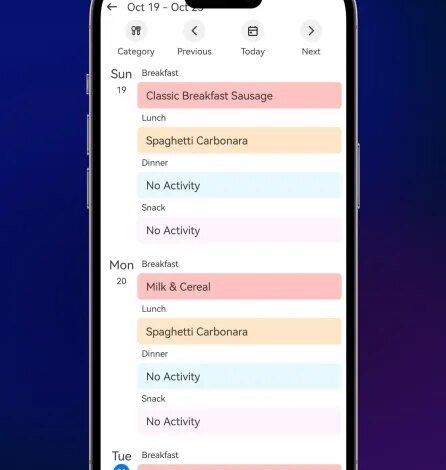
Among its software features, the device highlights an artificial intelligence meal planner equipped with “Snap-to-Sync” image recognition. Users capture photographs of physical recipe cards or school cafeteria schedules, which the system processes into digitized meal rosters and compiled shopping lists. Though optical capture tools exist across other consumer tech categories, the integration gives Linkdaze a technical edge over conventional wall-mounted digital displays.
Financial accessibility is further emphasized by the absence of mandatory monthly subscriptions for core functionality, contrasting with wider smart display market trends where recurring fees are standard. Competitor Skylight, for instance, charges $79 per month for premium software features on its smart-calendar platform. Eliminating software paywalls creates a clear market distinction for Linkdaze, though it remains to be seen whether a hardware-only revenue model can sustain long-term software support as scaling demands increase.
The decision to forego recurring software fees lands amid growing consumer pushback against monthly device subscriptions across the smart home sector. While major ecosystem operators increasingly monetize hardware through recurring services, subscription-free devices often achieve higher initial conversion rates among budget-conscious households, provided the manufacturer can sustain long-term cloud server costs without continuous revenue.
Upfront hardware costs also undercut key market rivals, with the entry-level 10.1-inch Linkdaze unit retailing at $119.99, compared to $159.99 for Skylight’s competing 10-inch model.
Beyond traditional family homes, the device addresses practical coordination needs across shared living spaces, such as college housing where roommates balance cleaning duties, study routines, and communal dining. The platform similarly serves independent home offices requiring centralized management of overlapping interviews, work deadlines, client meetings, and editorial assignments.
Purchases made through links on this site may yield an affiliate commission, which has no bearing on editorial evaluation.