FCC Votes to Eliminate 39% National TV Ownership Cap, Opening Door for Broadcast Mergers
Agency shifts to case-by-case reviews as major broadcast groups prepare for historic consolidation.
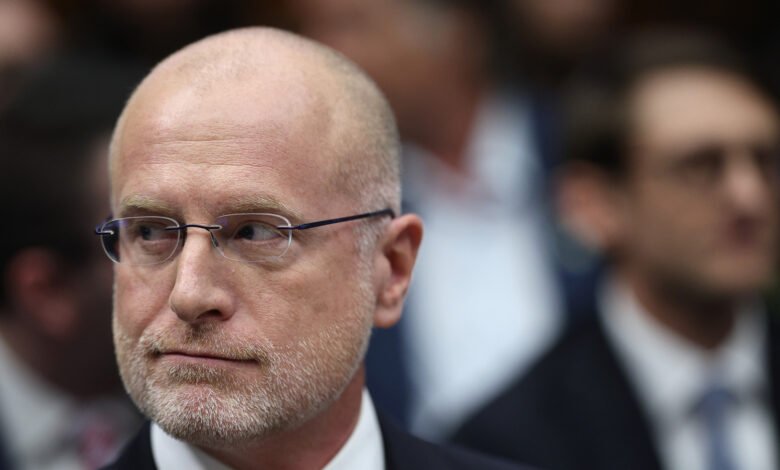
WASHINGTON — The Federal Communications Commission voted 2-1 to eliminate the long-standing 39 percent national television ownership cap, abandoning a fixed limit on audience reach in favor of a case-by-case review system that opens the door to unprecedented broadcast consolidation.
The decision transforms Section 303 of the Communications Act, effectively removing a regulatory barrier designed to restrict the reach of local television station owners across the United States. The policy overhaul immediately strengthens the position of major station operators such as Nexstar Media Group and Sinclair Broadcast Group, both of which operate near the previous 39 percent audience cap.
“We think the FCC is on solid legal ground here in terms of their authority to change this rule and the rationale behind changing it,” Sinclair Chief Executive Officer Chris Ripley said during an earnings call ahead of the decision, adding that the regulatory mandate calls for deregulation over time.
Sinclair has already sought to expand its footprint through an FCC waiver to merge with Tegna, a transaction that would combine 260 stations covering 80 percent of U.S. households. That deal remains entangled in an ongoing antitrust lawsuit brought by DirecTV and multiple state attorneys general.
FCC Chairman Brendan Carr framed the deregulation as a vital step to keep local broadcasting financially viable, warning that inaction would leave local outlets “going the way of newspapers.”
“It is time to restore balance to the broadcast airwaves,” Carr said, stating that repealing the national cap provides “essential relief for local broadcasters by restoring a healthy counterbalance to the growing leverage of national programmers” and reduces dependence on “undifferentiated passthroughs of national programming produced in Hollywood and New York.”
Commissioner Anna Gomez, who cast the sole dissenting vote, countered that the ruling empowers corporate owners rather than independent local newsrooms. The “large station groups positioned to grow even larger under this decision are not local broadcasters, they are national companies that own local stations and increasingly dictate what airs on them,” Gomez said in a statement.
The agency’s vote is expected to prompt swift legal challenges over the limits of executive authority. Congress codified the 39 percent cap in a 2004 appropriations bill, while Section 10 of the Communications Act restricts the agency from unilaterally altering Section 303 provisions without congressional legislation.
Former House Majority Leader Tom DeLay, a Republican who helped negotiate the 2004 limit, wrote in a recent op-ed that “regulatory agencies cannot defy or modify laws enacted by Congress.”