SpaceX Trims Q2 Loss as Starlink Drives Revenue Past $7.8 Billion
Strong Starlink growth and a narrower loss are shadowed by massive spending and an upcoming lockup expiration.
SpaceX signaled plans to maintain a heavy spending trajectory on artificial intelligence and satellite hardware after posting a narrower-than-expected quarterly loss in its debut report as a public company, just days before a major release of insider shares.
The company reported a net loss of $541 million, or 9 cents per share, for the quarter ending in June—less than half the loss projected by Wall Street analysts. Revenue rose more than 90% from the previous year to $7.8 billion, buoyed by a 66% jump in its Starlink satellite internet unit, where subscriber numbers doubled to 12 million.
Capital expenditures and research spending reached $18 billion during the period, up from under $3 billion a year earlier. SpaceX Chief Financial Officer Bret Johnsen informed investors that capital outlays would remain at similar levels for the next two quarters. Chief Executive Elon Musk defended the cash burn, telling analysts the investments would accelerate the company’s push to achieve $1 trillion in annual revenue by 2030, a year earlier than previously estimated.
Addressing the growth of the satellite division during an investor call, Musk said, “It’s not out of the question that at some point, Starlink will deliver a majority of the world’s internet.”
Wall Street is watching the spending jump alongside an upcoming liquidity event. Trading volatility could rise on Thursday as a lockup provision expires, allowing company insiders to trade more than 900 million shares—more than doubling the stock’s current public float. It marks the first of several tranches scheduled for release over coming months.
SpaceX equity finished regular trading up 9% on Tuesday before surrendering most of those gains in after-hours market activity. The stock has dropped approximately 50% from its post-IPO peak in June, affected by investor concerns regarding spending levels and commercial timelines for its Grok AI platform and space travel operations.
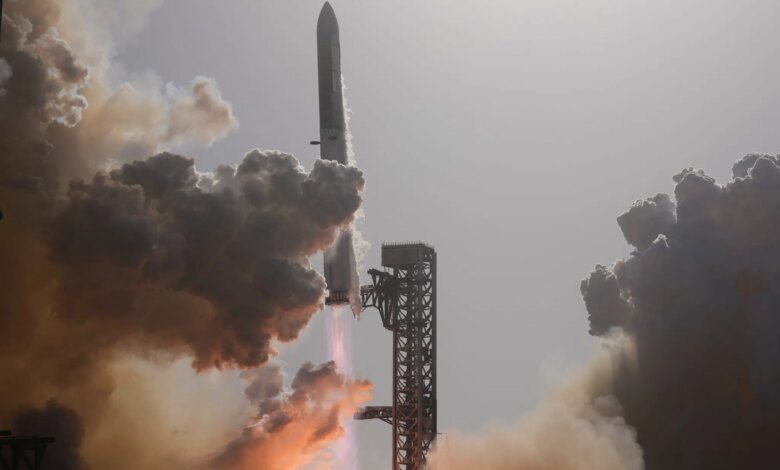
Operational focus remains centered on Starship development following a successful satellite deployment test late last month. Musk confirmed the company plans an ambitious reusability test at the end of the month, targeting a mechanical arm catch of both the spacecraft and booster upon return to base.
The heavy rocket system remains central to NASA’s plans to return astronauts to the lunar surface. “We want to put boots on the ground — boots on the moon — in 2028,” SpaceX President Gwynne Shotwell said on the call.
The share price pullbacks in SpaceX and Musk’s electric vehicle maker, Tesla, have reduced his net worth to $783 billion, according to Forbes estimates, down from a brief peak above $1 trillion during SpaceX’s June debut, when shares jumped 19% on their initial day of trading. SpaceX also operates the social media network X, formerly Twitter.