Federal Court Rulings Detail Decades of Iranian Proxy Warfare Targeting U.S. Forces in Iraq
U.S. court findings detail IRGC involvement in roadside bomb and rocket attacks targeting American service members.
Federal court rulings spanning nearly two decades have established that Iran’s Islamic Revolutionary Guard Corps (IRGC) systematically funded, equipped, and directed proxy militias to execute fatal attacks against U.S. service members in Iraq. While contemporary regional escalations dominate current headlines, judicial findings based on intelligence records, forensic analysis, and survivor testimonies demonstrate that Tehran’s covert military campaign against American forces was operational as early as the mid-2000s.
Central to these court determinations were cases brought by severely injured veterans and surviving military families under the Foreign Sovereign Immunities Act, an American legal framework allowing citizens to hold designated state sponsors of terrorism civilly liable. Plaintiffs were required to submit compelling evidence connecting specific attacks to weaponry, tactical training, and funding supplied directly by Iran’s Quds Force.
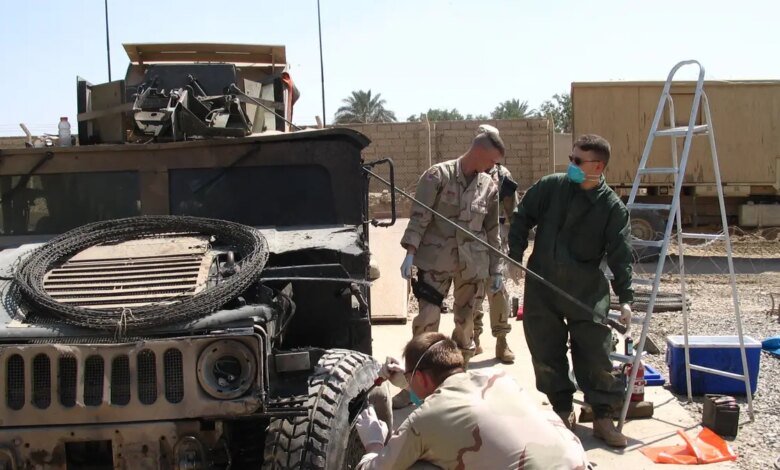
Among the incidents documented in federal proceedings was a May 3, 2005 attack on Route Pluto in Baghdad. An armored Humvee was struck on its right side by an Explosively Formed Penetrator (EFP), a specialized weapon engineered to defeat heavy military armor. The blast killed Staff Sgt. William Brooks and inflicted catastrophic facial and dental trauma on the vehicle’s driver, Sgt. (Ret.) Robert Bartlett, who underwent four years of reconstructive surgeries and medical treatment at Walter Reed Army Medical Center.
Unlike standard improvised explosive devices, EFPs utilize a concave metallic liner—typically machined copper—that transforms upon detonation into a molten, high-velocity slug capable of penetrating heavily armored vehicles. Federal courts found that the manufacture, distribution, and tactical deployment of EFPs across Iraq relied heavily on Iranian state infrastructure and specialist training provided to Shiite militant networks.

Court records detail similar patterns in the death of Capt. Shawn English, who was serving on an American-Iraqi military transition team when an EFP struck his convoy vehicle during a northbound patrol on December 3, 2006. English suffered fatal injuries during the encounter, having previously identified the specific operational threat posed by Iranian-manufactured EFPs shortly before his final deployment.
Iranian support extended beyond roadside armor-piercing munitions to indirect fire capabilities targeting secure coalition zones. On April 6, 2008, a rocket launched from the direction of Sadr City struck the roof of a base gym inside Baghdad’s International Zone at approximately 3:28 p.m. The attack killed Maj. Stuart Wolfer—a 36-year-old father of three—and Col. Stephen Scott, who were inside when incoming fire warnings provided only seconds of lead time.
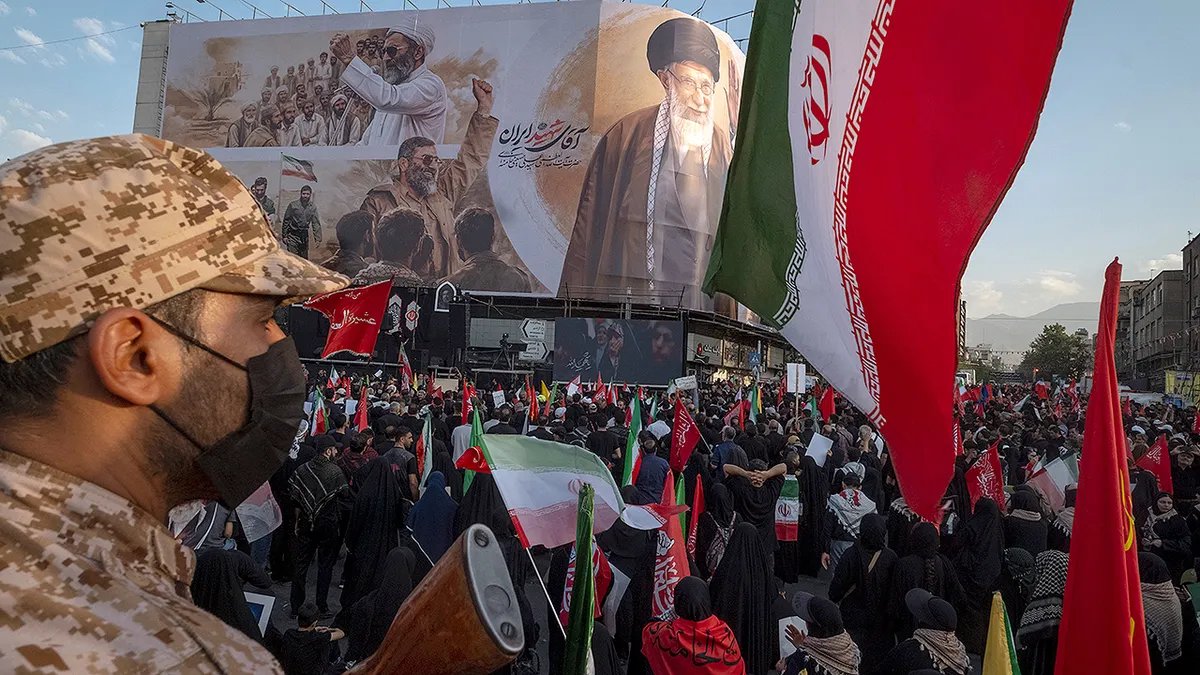
Following the 2003 overthrow of Saddam Hussein, Tehran leveraged the strategic vacuum in neighboring Iraq to project power and counter the American military presence without initiating direct state-on-state warfare. According to designations by the U.S. Department of the Treasury, the Quds Force functioned as the primary vehicle for cultivating, financing, and supplying militant groups across the region, allowing Iran to maintain proxy warfare operations while preserving formal political deniability.
Because Iran routinely declined to appear in federal court to defend against claims involving state-sponsored terrorism, federal judges issued default judgments based on the uncontroverted physical and intelligence evidence presented by the plaintiffs. Despite formal legal rulings affirming Iran’s liability for material support to proxy groups, injured service members and surviving families continue to face substantial legal obstacles in executing financial recoveries, as Iran has refused to recognize or voluntarily satisfy the judgments awarded by U.S. courts.