U.S. Tech and Energy Deals Surge Across Africa in Strategy to Outpace China
American infrastructure and tech projects challenge Beijing's dominant footprint across the African continent.
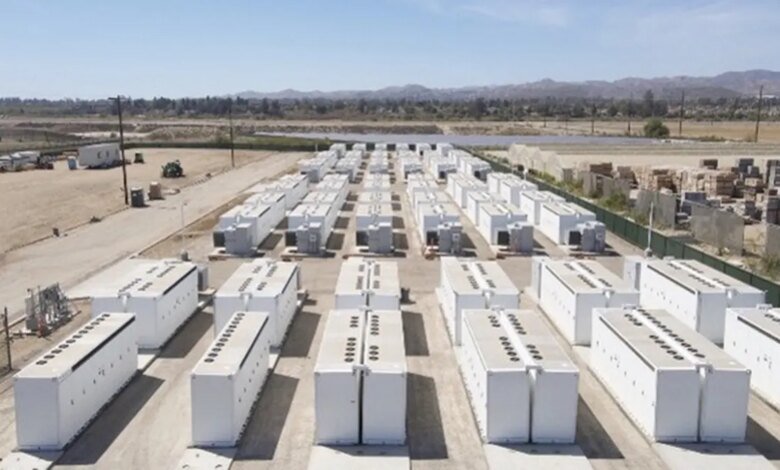
A coordinated commercial diplomacy initiative is expanding the footprint of American technology and energy firms across Africa, securing tens of billions of dollars in infrastructure projects and contesting market share long dominated by Chinese state-linked corporations.
The U.S. State Department’s Bureau of African Affairs reports that 37 commercial deals valued at a combined $25.67 billion have closed since the start of President Donald Trump’s second term. Spearheaded by the Commercial Diplomacy Strategy launched in early 2025, the strategy leverages public-private partnerships to help American businesses enter strategic African markets, particularly in cloud computing, data centers, and power generation.
According to figures from the Office of the United States Trade Representative, U.S. trade with African nations reached $83.4 billion last year, while China’s General Administration of Customs reported bilateral trade of $348 billion for the same period. Despite Beijing’s overarching trade volume, recent American efforts have yielded major project wins in direct competition with Chinese firms.
Assistant Secretary of State for African Affairs Frank Garcia noted that the initiative aims to create a level playing field for U.S. companies globally and address trade disparities, offering African nations transparent partnership models over coercive lending practices.
The largest single transaction in this commercial drive is a $6.2 billion agreement between the government of Lesotho and U.S.-based Convalt Energy. The massive project integrates a 1,200 MW pumped-storage hydropower facility with a 900 MW artificial intelligence data center. Once operational, the complex will expand Lesotho’s electricity generation capacity by approximately 1,600 percent, converting the mountain kingdom into a net exporter of power while driving an estimated $2 billion in U.S. energy equipment exports.
The landmark deal comes despite Beijing’s deep financial footprint in Lesotho, where China has eliminated export tariffs, set up direct banking rails through the State-owned Industrial and Commercial Bank of China, canceled official debt, and financed public infrastructure including a solar plant and specialized laboratories.
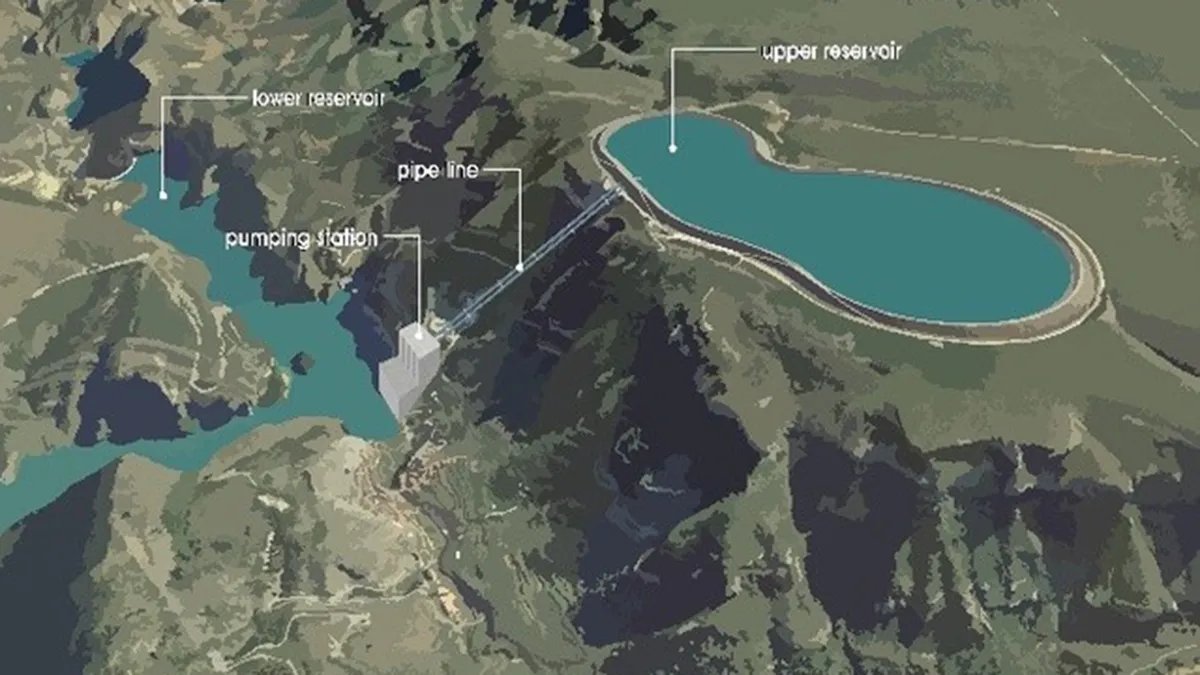
Convalt Energy President and CEO Hari Achuthan emphasized that physical infrastructure is the essential bottleneck for artificial intelligence growth. Power, water, fiber connectivity, cooling, and grid resilience are vital prerequisites for scaling modern digital systems. Achuthan added that the Trump administration’s emphasis on trade and commercial investment rather than grant reliance aligns with sustainable business development, generating export manufacturing demand inside the United States while supplying African markets.

In Central and West Africa, American tech enterprise Cybastion has also secured major contracts with diplomatic support. In Gabon, where the U.S. Embassy facilitated $600 million in commercial transactions in 2025, Cybastion won a $100 million contract to build two data centers alongside a gas-to-power plant, outbidding Chinese telecommunications giant Huawei.

Additionally, Cybastion finalized a $170 million contract with the Ivory Coast to construct a sovereign data center, a government digitalization platform, and an advanced border surveillance network.
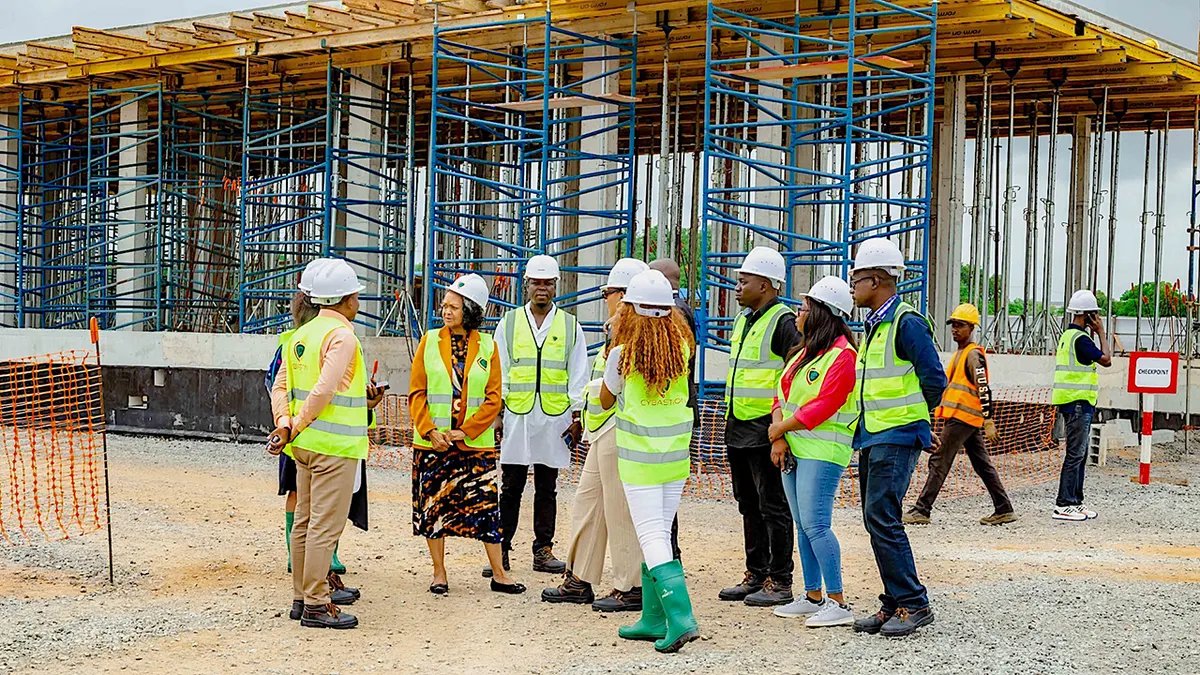
Cybastion CEO Dr. Thierry Wandji pointed out that African nations are actively prioritizing sovereign data management, workforce development, and digital government infrastructure to fuel rapid economic expansion. Achuthan added that American companies can maintain a competitive edge over price-focused international rivals by delivering higher performance, system integration, transparency, and long-term operational reliability.