Accenture CEO Julie Sweet Warns Enterprise AI Deployments Fail Without Organizational Overhaul
Julie Sweet highlights a $3 billion AI investment while warning corporate leaders against relying on legacy processes.
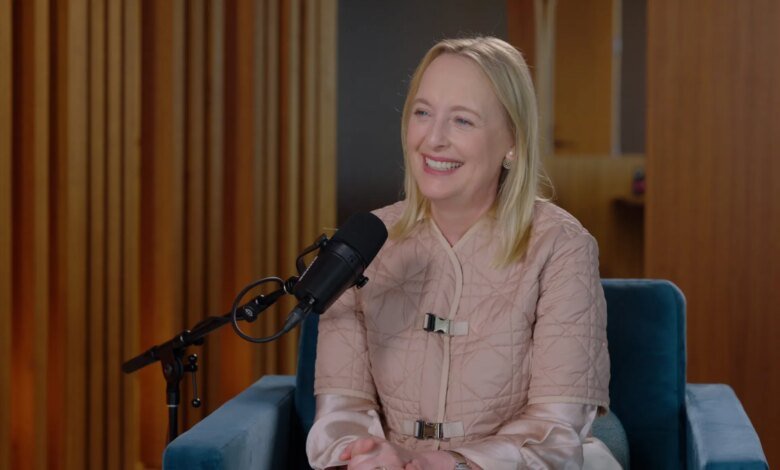
Global enterprise leadership faces a critical inflection point as companies struggle to turn artificial intelligence investments into tangible bottom-line growth. Speaking on the inaugural episode of the Fortune 500 Titans and Disruptors of Industry podcast hosted by Fortune Editor-in-Chief Alyson Shontell, Accenture Chief Executive and Board Chair Julie Sweet emphasized that corporate leaders must fundamentally overhaul internal operations rather than forcing modern tools into legacy workflows.
According to Sweet, a primary reason organizations fail to realize value from generative AI is their tendency to apply the technology to standard operating models. She outlined several operational red flags for executive leadership, including the creation of traditional cross-functional steering committees to govern implementation. Sweet cautioned that emphasizing administrative collaboration and low-impact tasks—such as utilizing AI to summarize data or construct presentation slides—does not constitute a true operational strategy or drive financial performance.
The push for enterprise artificial intelligence integration comes amid a broader shift across the technology consulting landscape, where major professional services firms are competing to help corporations migrate legacy infrastructure into cloud-based, AI-ready data environments. To position itself at the center of this transformation, Accenture has committed $3 billion to expand its global data and AI practice. The company, which maintains a workforce of over 770,000 employees across international markets, plans to add 80,000 AI-focused personnel to its operations. In the current fiscal year alone, Accenture has executed more than 2,000 generative AI client engagements.
Sweet’s guidance on organizational adaptability reflects her own non-linear path to executive leadership. Raised in Tustin, California, she earned a degree in international relations and Chinese from Claremont McKenna College before spending 17 years practicing law, during which she became the first female partner at her firm. She subsequently transitioned into corporate technology consulting at Accenture without prior technical experience, later becoming the firm’s first female CEO and board chair.
Sweet stressed that successful technology adoption requires C-suite executives to remain directly engaged with emerging capabilities and maintain the flexibility to dismantle their own previous operational initiatives when business conditions demand a pivot.