AI Energy Demand Drives Georgia Grid Expansion into Suburban Neighborhoods
A 1,000-mile transmission overhaul highlights growing friction between suburban property rights and tech infrastructure power needs.
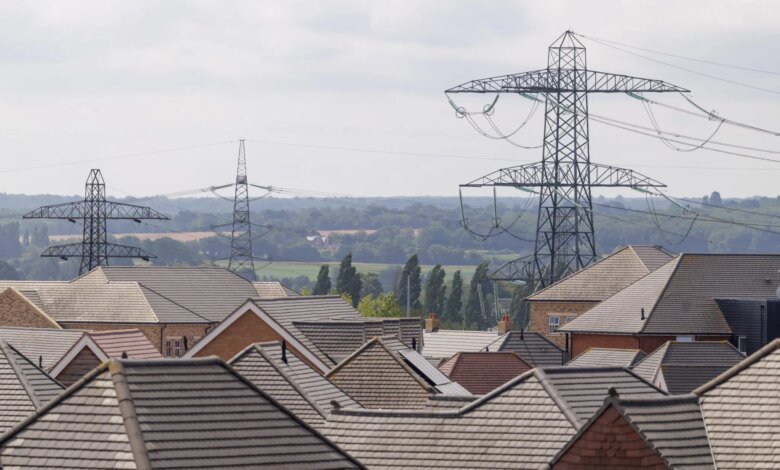
A massive grid expansion across Georgia is placing residential neighborhoods in the crosshairs of energy infrastructure development, as power providers scramble to support the explosive growth of artificial intelligence and data infrastructure.
Georgia Power is pushing forward with a 1,000-mile expansion of high-voltage transmission lines across more than 330 land parcels. The project, which aims to add roughly 10 gigawatts of generation capacity over the next five years, will require leveling nearly 30 residential homes to clear pathways for electrical corridors.
The physical toll of this infrastructure buildup is being felt acutely along a 35-mile stretch linking Fayette, Heard, Fulton, and Coweta Counties. Known as the Ashley Park-Wansley Transmission Project, the planned route connects the Ashley Park Substation to Plant Wansley, crossing decades-old residential properties in the process.
Friction between landowners and utility agents has already triggered high-level interventions. After public outcry from impacted families—including property owner Ansley Brown, who faced the loss of her family home—U.S. Representative Brian Jack stepped in to mediate discussions between constituents and utility officials. While Georgia Power confirmed it reached a resolution regarding Brown’s family property, broader neighborhood anxiety remains high as land acquisition efforts near completion ahead of planned construction start dates next year.
Though Georgia Power maintains it does not operate data centers directly, energy allocation figures tell a clear story. Regulatory filings with the Georgia Public Service Commission show that approximately 80 percent of a recently approved 10,000-megawatt capacity expansion is earmarked to supply data centers. Independent estimates indicate that 70 to 80 percent of the energy running through the Ashley Park-Wansley line alone will feed these facility corridors.
The strain on Georgia’s grid is part of a broader national trend. Hyperscale technology firms—including Microsoft, Amazon, and Google—have invested billions into regional hubs, making the metro Atlanta area home to nearly 170 of the state’s 200 operational data centers. The sheer scale of electricity required by AI computing clusters has forced utilities nationwide to fast-track grid enhancements that normally take a decade or more to plan and execute.
To secure required property, Georgia Power begins negotiations by offering 125 percent of a parcel’s appraised value. While the utility emphasizes that eminent domain—a constitutional mechanism under the Fifth Amendment allowing private land to be taken for public use—is a rare last resort utilized in under 1 percent of transactions, legal experts caution that voluntary easement contracts still hold severe long-term consequences.
According to David Needham, a Georgia property rights attorney, permanent utility easements remain bound to land titles indefinitely, even following property sales. These legal instruments often restrict owners from constructing permanent secondary structures and grant utility companies expansive access rights to install additional hardware in the future, subtly shifting property rights toward the energy supplier.
To mitigate public resistance, Georgia Power projects that its infrastructure investments will yield an average annual savings of $102 for residential customers starting in 2029. Under current rate structures, large-load commercial users pay higher overall tariffs, which the utility claims creates downward pressure on individual household bills while modernizing the overall regional distribution system.
Yet, the state’s aggressive fiscal strategies to attract technology infrastructure are facing renewed political scrutiny. A tax incentive program established in 2018 offered complete exemptions on state and local sales taxes for data center hardware, provided companies met investment thresholds between $100 million and $250 million. However, a December 2025 financial evaluation conducted by The University of Georgia Carl Vinson Institute of Government calculated that these tax exemptions generated a net fiscal loss of nearly $574 million for state and local coffers.
That fiscal drag prompted state lawmakers to attempt a freeze on new tax exemptions in 2024, a measure ultimately vetoed by Governor Brian Kemp. As Policy Analyst J. Thomas Perdue of the Georgia Public Policy Foundation notes, local governments bear the immediate financial burden of uncollected tax revenues, forcing difficult choices between shifting tax burdens onto residents or reducing municipal services. As utility corridors continue to cut through suburban yards, the debate over who truly benefits from the state’s technology expansion is growing increasingly urgent.