Data Center Growth Historically Lowered U.S. Power Bills, Research Finds, But AI Boom Threatens Trend
New EPRI study shows fixed utility costs were spread across expanding demand from 2015 to 2024, though impending grid upgrades could reverse rate relief for residential consumers.
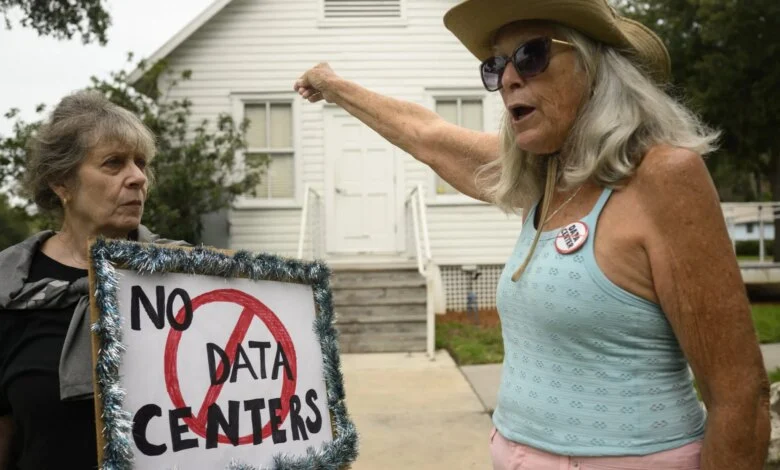
A new study by the Electric Power Research Institute reveals that the expansion of data centers across the United States historically reduced retail electricity rates for consumers, challenging popular fears that computational power demands inevitably trigger higher utility bills.
Analyzing grid data from the Federal Energy Regulatory Commission and retail revenues from the U.S. Energy Information Administration between 2015 and 2024, researchers identified a distinct inverse relationship between data center capacity and consumer costs. On average, every doubling of regional data center capacity was linked to a 3.5% reduction in retail electricity prices nationwide, with statewide price drops averaging nearly 6%.
The counterintuitive decline stems from the unique financial structure of regulated American power markets. Under traditional cost-of-service ratemaking, electric utilities set rates based on recovering fixed infrastructure investments—such as transmission lines, power plants, and substations—across total kilowatt-hour sales. When massive industrial consumers like data centers enter a service territory, they absorb a substantial share of these fixed overhead costs, diluting the per-unit expense distributed to residential and commercial ratepayers.
“Electricity markets are different than a lot of markets that they interact with,” said Asa Watten, coauthor of the study and researcher at the institute. In standard commodity markets, surges in demand drive up market prices. In utility economics, however, expanding aggregate load allows utilities to leverage economies of scale, bringing higher-efficiency power generation online while lowering individual consumer burdens.
The findings contrast with widespread public anxiety over energy infrastructure. A poll administered by YouGov last year indicated that more than two-thirds of Americans anticipate rising electricity bills if a facility opens in their community. Meanwhile, financial institutions like Goldman Sachs have projected that the rapid rollout of artificial intelligence hardware could drive national power costs up by 9% by 2028.
Recent market shifts suggest the historical trend of price declines may already be reaching its limit. PJM Interconnection, the largest regional transmission organization in the country, managing wholesale electricity across 13 eastern states and the District of Columbia, projected a $6.3 billion surge in consumer electricity costs over the next three years. Grid operators primarily attribute this cost spike to unprecedented power allocations demanded by hyperscale facilities.
The pressures are most visible in Virginia, home to a massive concentration of facilities processing a significant portion of global internet traffic. Driven by aggressive infrastructure buildouts, residential electricity rates in Virginia jumped by more than 13% over the past year, according to energy administration data.
The fundamental risk facing power markets lies in the mismatch between rapid utility capital expenditure and the long-term reality of AI computational demand. If utility providers invest billions in legacy grid expansion to meet aggressive forecasts, but end-user AI adoption slows or compute tasks become dramatically more power-efficient, the remaining rate base will be forced to absorb the stranded capital costs.
“If the grid builds capacity, expecting a lot of demand from data centers, and that doesn’t show up, that could be a clear story of how data centers could increase prices in the future in a way that they did not do in the past,” Watten warned.
Wall Street has already signaled unease regarding tech sector spending. Shares of Alphabet and Tesla dropped sharply following earnings reports that detailed escalating AI capital expenditures. Investor Mark Cuban recently highlighted the risk of overbuilding, suggesting during a podcast appearance that excessive compute capacity could ultimately leave many data center developments underutilized if hardware and software efficiency gains outpace workload growth.
Despite these headwinds, broader trends in electrification could help buffer utility bills over the coming decade. As consumer adoption of electric vehicles, heat pumps, and modern industrial automation expands overall electricity demand, the broader rate base could continue spreading fixed grid costs across greater aggregate usage, independent of the AI sector’s trajectory.