California Robotaxi Law Sets 2028 Rules for Emergency Access
Operators face new on-site technician and domestic staffing mandates after documented first responder obstructions
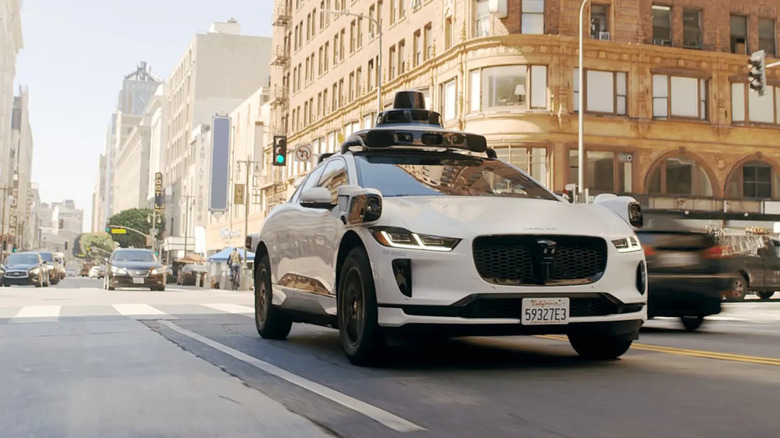
California has established the nation’s first statutory framework specifically targeting autonomous vehicle interference with emergency services, though enforcement is delayed until July 1, 2028. Senate Bill 1246, signed by Governor Gavin Newsom, creates a penalty structure for robotaxi operators whose vehicles obstruct first responders for more than 30 minutes during active emergencies.
The extended implementation timeline reflects the technical complexity of compliance rather than legislative hesitation. Operators must build new infrastructure including mandatory on-site “local incident technicians” capable of physically resolving vehicle obstructions immediately. Current industry models rely heavily on remote assistance, but the new law requires these support personnel to be physically present in the jurisdictions where vehicles operate.
SB 1246 also mandates that all remote human oversight be conducted by U.S.-licensed drivers based within the United States. This provision addresses both national security concerns regarding foreign access to critical transportation infrastructure and practical latency issues. Remote guidance from international centers can introduce communication delays that prove critical when an autonomous vehicle is immobilized in an active emergency zone.


The legislation responds to documented failures in current autonomous systems. During a December 2025 San Francisco power outage, multiple Waymo vehicles became stranded at intersections after losing connectivity to traffic signals. Similar strandings occurred during Fourth of July celebrations when heavy traffic drained vehicle batteries faster than routing algorithms anticipated. In Austin, Texas, a Waymo vehicle blocked an ambulance responding to a shooting, prompting the National Highway Traffic Safety Administration to identify a systemic pattern of first responder interference.
Beyond obstruction penalties, the law imposes new transparency requirements for system-wide failures. Operators must provide real-time location and status data to local authorities during outages and submit detailed reports on incident response times. These reporting mandates create the first standardized metrics for evaluating autonomous vehicle reliability during crises, moving beyond voluntary safety disclosures that have characterized the industry’s self-regulation era.
The 2028 effective date aligns with broader California regulatory schedules for autonomous vehicles and gives operators time to restructure their remote assistance operations domestically. Industry stakeholders had argued that immediate compliance would require rebuilding entire support networks, potentially forcing service suspensions in major markets like San Francisco and Los Angeles.
Waymo currently acknowledges using remote human operators for stuck vehicles but has not disclosed the geographic distribution of those workers. Tesla’s approach differs fundamentally, allowing remote human control only after automated intervention options are exhausted. The new California standards will force convergence toward hybrid models combining domestic remote oversight with physical local response capabilities.
Municipal governments retain authority to set specific penalty amounts under SB 1246, creating potential variation in enforcement intensity across jurisdictions. The law does not establish statewide fine schedules, instead empowering local officials to calibrate consequences based on regional emergency response priorities and operator compliance histories.