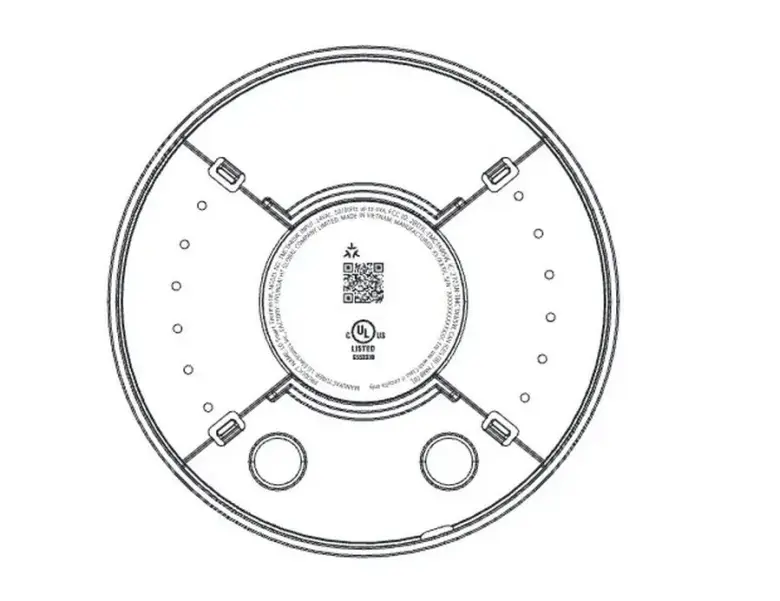
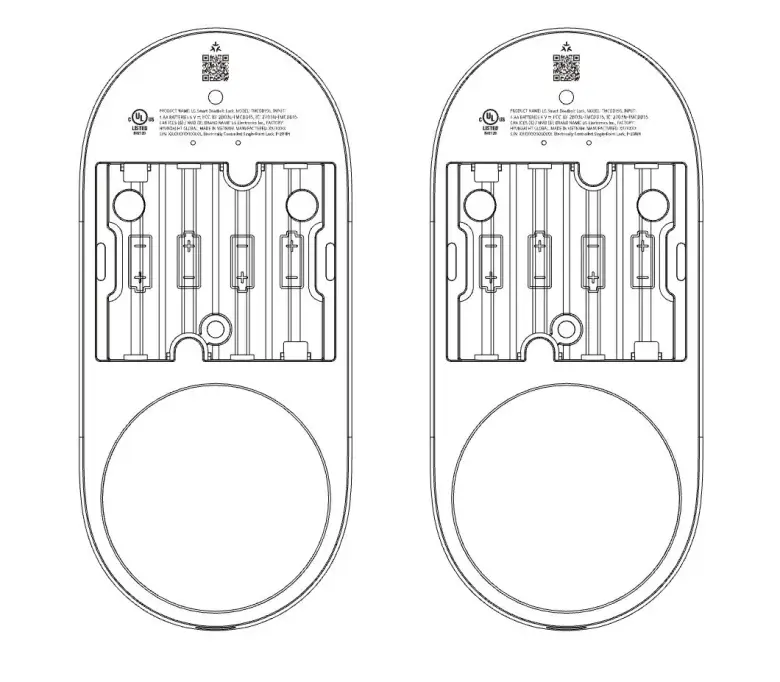
Federal Communications Commission filings have exposed a joint venture between Apple and LG Electronics to manufacture smart home hardware, revealing the first concrete evidence of Cupertino’s long-delayed push into residential automation. The documents, which surfaced this week, outline plans for a video doorbell, a smart deadbolt lock, a thermostat, and security cameras.
Unlike Apple’s typical hardware strategy, the company will not sell these accessories under its own brand. LG will handle manufacturing, distribution, and customer support while affixing its logo to the devices. Apple’s contribution is confined to industrial design, software engineering, and feature integration, mirroring the accessory framework it previously established with Belkin and Logitech through the Made for iPhone program. The FCC registrations list the products under straightforward names: LG Video Doorbell Wired, LG Smart Deadbolt Lock, and LG Smart Thermostat.
LG requested that specific diagrams and technical details remain confidential until early 2027, indicating these peripherals will not debut alongside Apple’s primary smart home announcements this month. Notably, the regulatory submissions omit any reference to Apple, shielding the partnership from immediate public scrutiny during the approval process.


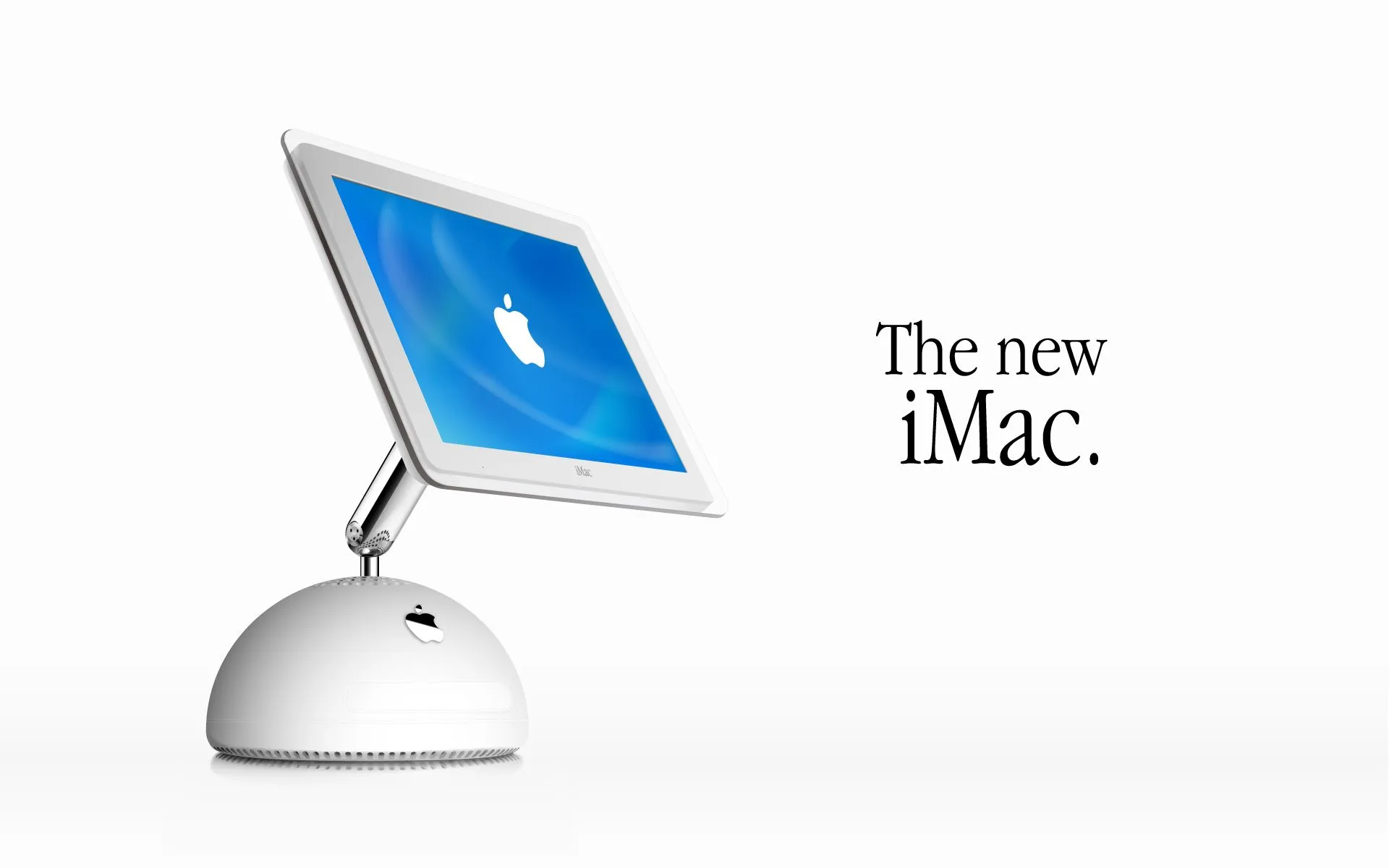
The accessory lineup is designed to feed into a broader ecosystem anchored by a dedicated Apple smart home hub expected to be unveiled at a special event on October 13, 2026. Industry reports indicate the central display draws heavy aesthetic inspiration from the 2002 iMac G4, featuring a roughly 6-inch screen mounted on an articulated arm attached to a domed base resembling a halved HomePod. A wall-mounted variant is also in development. Neither model includes an internal battery, requiring continuous USB-C power.
The hub reportedly lacks physical power or volume buttons, forcing users to rely entirely on voice commands via Siri or control through an iPhone. This buttonless approach aligns with Apple’s intention to price the device competitively for multi-room deployment, directly challenging Amazon’s Echo Show and Google’s Nest Hub lines, which have dominated the market for years while Apple relied solely on the audio-only HomePod.
Software running on the hub merges interface elements from iOS, watchOS, and tvOS. Applications will scale similarly to iPadOS, supporting widgets, digital photo frames, and clock faces. A front-facing camera enables FaceTime calls, while facial recognition technology will dynamically adapt the interface and content suggestions based on the specific household member standing in front of the screen.
A more advanced robotic version equipped with an 8-inch display and 360-degree motorized rotation remains in development for a later release. This mechanical evolution reflects a broader industry trend toward active ambient computing, where displays physically track users rather than remaining static on a countertop.
Beyond the hub and the LG-manufactured peripherals, Apple is preparing a privacy-focused home monitoring device and a proprietary home security service. These additions represent a fundamental shift for a company that has historically treated the living room as an extension of the Apple TV rather than a comprehensive sensor network.
The October 13 event will focus exclusively on Apple-branded hardware and software platforms. The LG co-developed thermostats, locks, and cameras will follow a separate release schedule dictated by their manufacturer’s timeline next year.