
Android Auto Failures May Need a Vehicle-Side Firmware Update
Your phone may not be the only device that needs an update
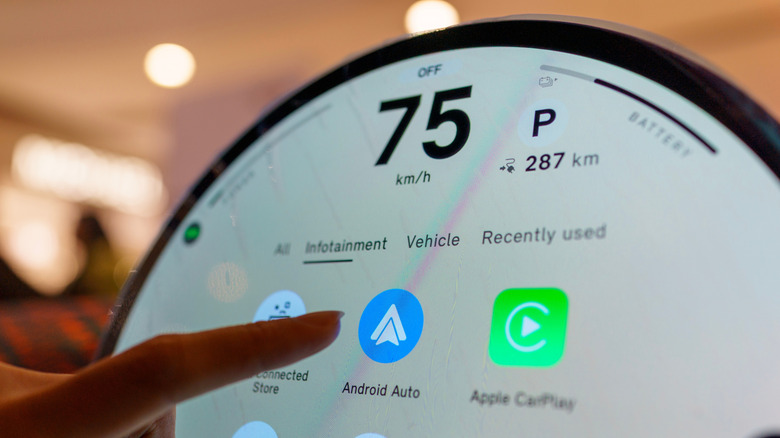
Connection breakdowns in Android Auto often appear after mobile operating system rollouts or monthly security patches, rather than after changes on the vehicle side. Google’s Android Auto Known Issues platform tracks these problems, including persistent failures affecting Google Pixel 10 devices and Samsung Galaxy S26 flagships, while technical investigations continue into handshake errors reported on Samsung Galaxy S25 models.
Vehicle software can still be the missing part of the diagnosis. Chevrolet, General Motors’ division, tells technicians and vehicle owners to install the latest software on both the smartphone and the vehicle’s onboard head unit when Android Auto connectivity fails. Hyundai Motor Group also issued a major firmware patch in February 2026 for European vehicles using its connected car Navigation Cockpit (ccNC) system.
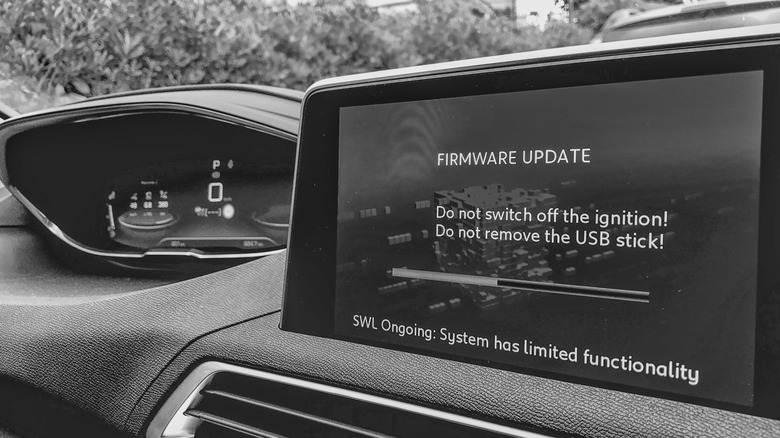
The Hyundai update focused on wireless projection architecture. It improved pairing stability, sped up automatic reconnection after a phone became unresponsive, and automated session recovery after the vehicle went through an ignition cycle.
Owners may receive vehicle firmware in different ways, depending on the automaker, model year, and system design. Many modern infotainment platforms use Over-The-Air (OTA) delivery through built-in cellular telematics or local Wi-Fi. On supported Uconnect systems, Stellantis allows downloads through the vehicle settings menu over Wi-Fi.
Other vehicles require owners to download binary update files from an official manufacturer portal and copy them to a FAT32-formatted USB flash drive or SD card. These procedures often require validation using the vehicle’s unique 17-character Vehicle Identification Number (VIN). When consumers cannot access the update process, manufacturers send them to certified dealership service departments, where technicians perform microcode flashes through diagnostic interfaces.
Google’s initial troubleshooting process begins with the vehicle’s presence on its master compatibility matrix and confirmation that projection features are enabled in the car’s native dashboard menus. The same checks apply alongside validation of the physical connection.
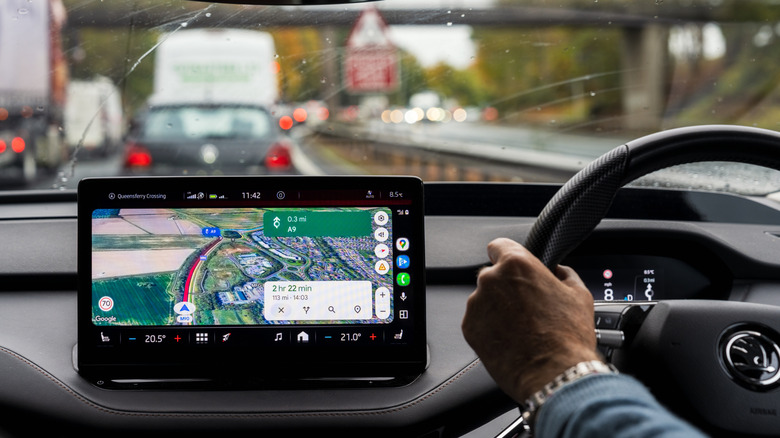
Software maintenance cannot remove every limitation. A system built without support for smartphone projection protocols cannot gain Android Auto or Apple CarPlay through a software patch alone. In Stellantis’s lineup, Uconnect 5 and selected Uconnect 4 and 4C configurations natively support those mirror protocols, while legacy Uconnect hardware lacks the required hardware decoders, memory allocation, and digital signal processors and therefore cannot be upgraded.
The issue also applies to aftermarket audio equipment. Google advises people using third-party head units, including models made by Pioneer Electronics or Kenwood Corporation, to check manufacturer support portals for receiver-specific firmware updates when interface dropouts or black-screen conditions occur.
For wired installations, Google recommends high-speed, USB-IF-certified cables measuring less than 3 feet (0.9 meters) to limit signal degradation and data packet loss during video projection streaming.