AI Studio Apps Install on Android via Private Play
The update removes USB debugging and paid developer accounts as barriers for personal AI-generated software.
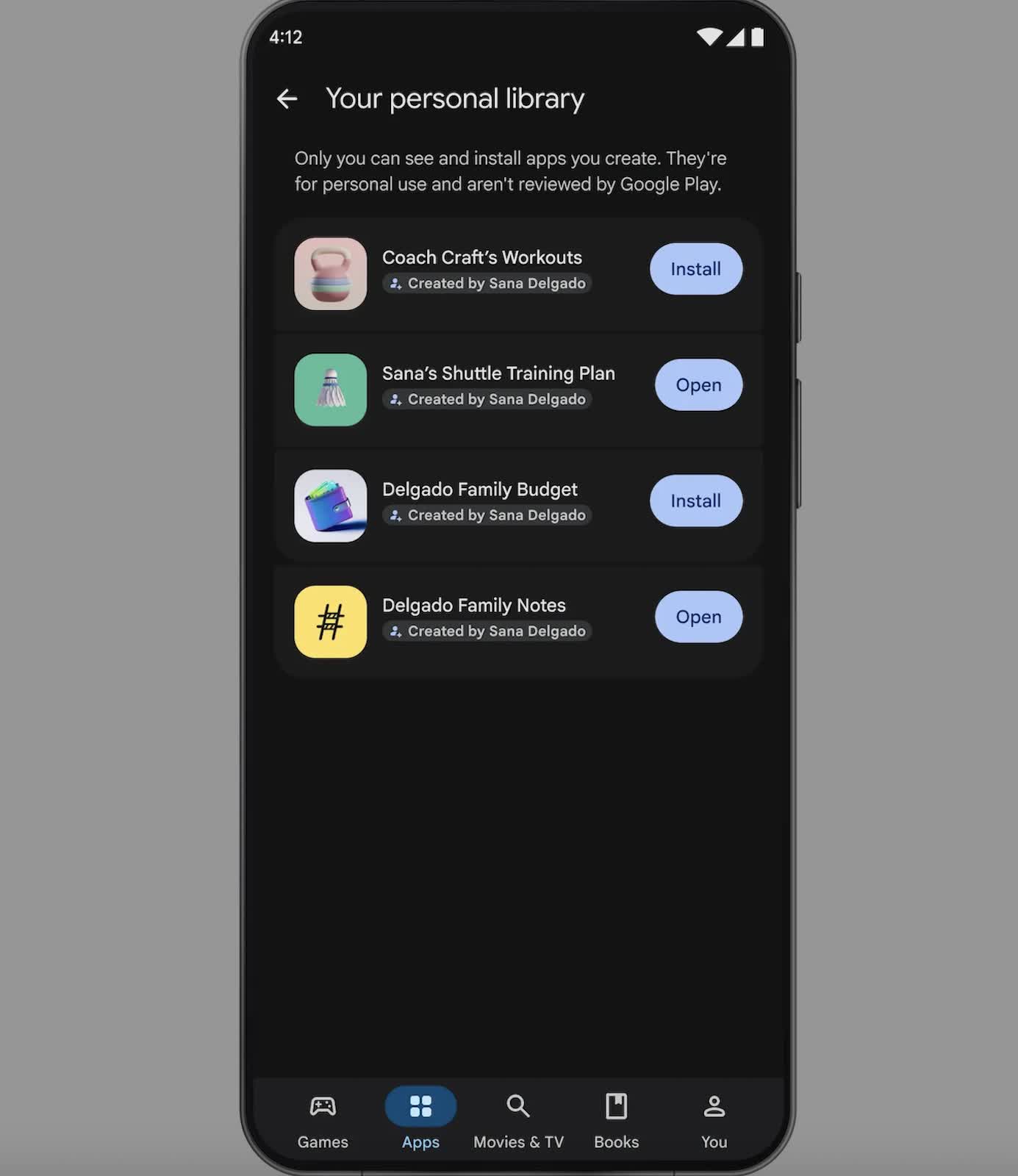
Android users generating applications through artificial intelligence can now install them directly to their phones using a private channel inside the Google Play Store, eliminating the need for USB debugging or public storefront exposure. The capability, rolling out this week in the United States, bridges a critical gap between AI-assisted coding and practical device deployment.
Previously, anyone who generated an Android application package using AI Studio faced a steep technical barrier. Building software is only half the process; getting it onto a physical device requires either sideloading via a computer connection using the Android Debug Bridge (ADB) or publishing it to the open market. Sideloading demands that users enable developer options and bypass standard security warnings, while public publishing forces creators to register for a paid developer account, submit to content reviews, and expose unfinished projects to global search results. Those friction points frequently pushed casual builders toward progressive web apps instead of native software, despite native apps offering superior access to device hardware like cameras, sensors, and background processing.
The new distribution mechanism operates entirely outside the public catalog. Applications installed through this pipeline remain invisible in Play Store search queries and category listings. Only the creator’s authenticated Google account holds access rights, keeping the software strictly personal. Despite this isolation, the installations still route through Play’s core infrastructure, meaning the apps must comply with standard platform policies regarding malware, data collection, and user safety. This distinction separates the update from traditional internal testing tracks, which typically require developers to maintain a professional console account and manage specific tester email lists.


This deployment option addresses a structural limitation introduced when generative app creation arrived in AI Studio in May. While the tool successfully translated natural language prompts into functional code and packaged binaries, the final delivery step remained tethered to legacy developer workflows. By decoupling installation from professional publishing, the architecture now supports a three-tier progression model for AI-generated software.
Under this emerging framework, creators first build and run applications exclusively for themselves. A planned small-group sharing feature will follow in the coming months, allowing individuals to distribute their projects to friends or family members without altering the app’s private status. Should a project eventually mature into a viable commercial product or public utility, the creator would then transition to a standard developer account and undergo the formal review processes required for broad release.
The separation of AI Studio as the generation engine and Play as the secure delivery network establishes a distinct boundary. AI Studio handles the code synthesis and compilation, while the updated Play integration manages authentication, policy enforcement, and over-the-air installation. Neither system currently automates the transition from private prototype to public listing.
Access requires only a standard, free consumer account. The rollout remains limited to U.S. users at launch, with no confirmed timeline for international expansion.