Nintendo 64 North America Launch: How a Cartridge Console Defined 3D Gaming 30 Years Ago
System overcame cartridge format disadvantages to establish enduring 3D gameplay standards ahead of upcoming Ocarina of Time remake
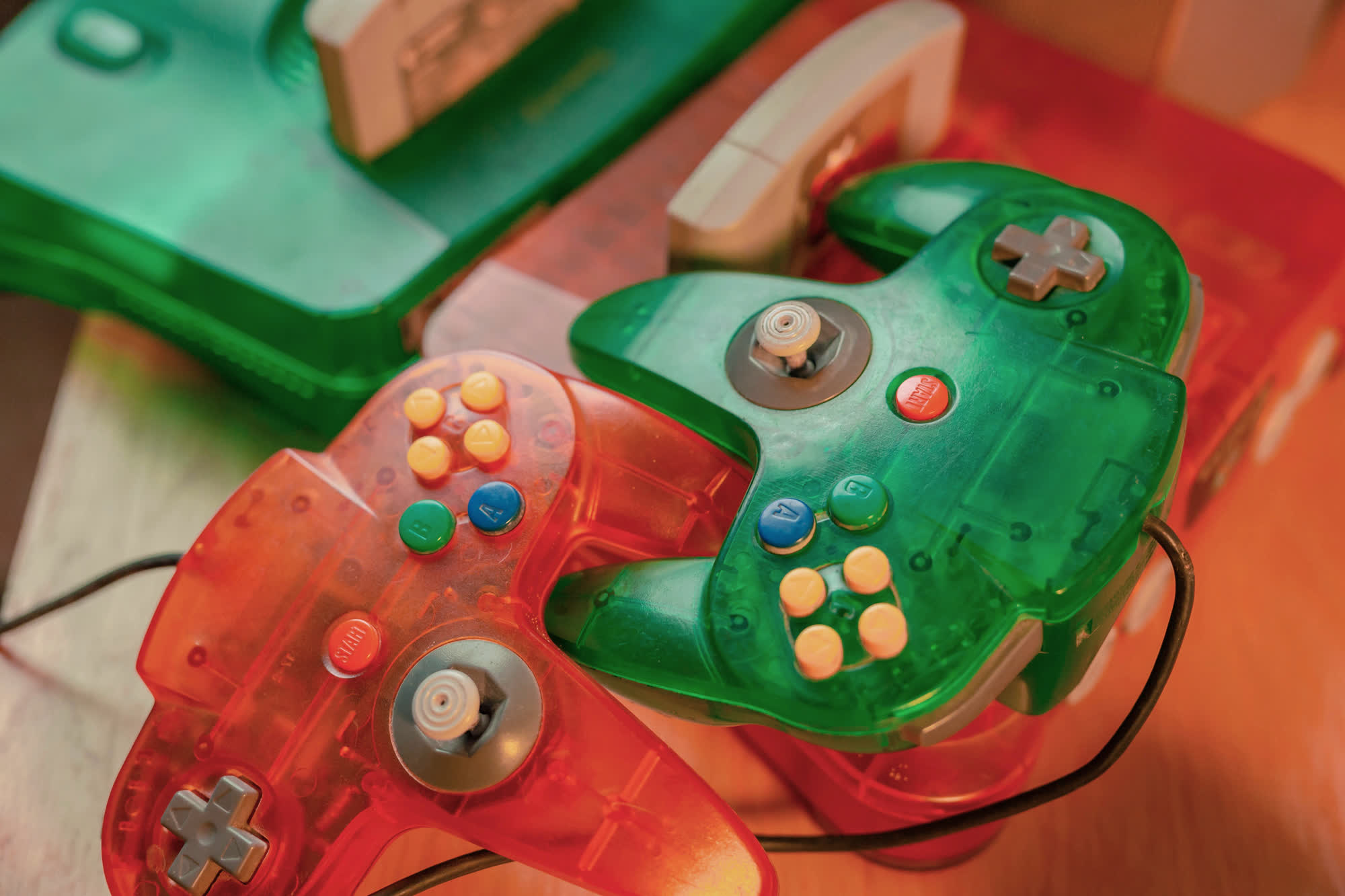
Thirty years after its September 29, 1996, North American debut, the Nintendo 64 remains the definitive case study in how superior software can sustain a technologically constrained platform. While competitors Sony and Sega had already standardized on CD-ROM media to offer expansive storage and cinematic video, Nintendo’s decision to retain cartridge-based delivery for its first 64-bit system created an immediate hardware disadvantage that was overcome only by establishing new industry benchmarks for three-dimensional gameplay.
The console arrived at U.S. retailers with a $199 price point, matching the original PlayStation’s adjusted cost but offering a fundamentally different value proposition. Unlike modern launches that bundle software to drive adoption, the N64 shipped without a pack-in title. Consumers faced a binary choice between two available cartridges: Super Mario 64 and Pilotwings 64. Supply constraints were severe enough that many early adopters purchased whichever title was physically available rather than their preferred selection, yet this scarcity did not dampen initial sales velocity.
Super Mario 64 served as the system’s true proof of concept, solving design problems that had stymied other developers during the transition from 2D to 3D. The game introduced analog stick precision movement, dynamic camera control, and open-environment exploration that became foundational templates for virtually every subsequent 3D platformer and action-adventure title. Its technical achievements masked the cartridge format’s limitations, demonstrating that gameplay innovation could outweigh raw storage capacity in consumer purchasing decisions.


This philosophy extended throughout the system’s lifecycle. Titles like GoldenEye 007 established the viability of first-person shooters on home consoles through refined controls and four-player local multiplayer, while The Legend of Zelda: Ocarina of Time implemented Z-targeting and context-sensitive actions that remain standard mechanics today. Wave Race 64 and Mario Kart 64 similarly leveraged the hardware’s strengths to deliver experiences that felt distinct from the FMV-heavy, pre-rendered background games dominating the competing PlayStation library.
The strategic bet on cartridges ultimately capped the system’s commercial ceiling. The N64 sold approximately 33 million units worldwide before its 2002 discontinuation, placing it 18th among all-time best-selling consoles and significantly behind the PlayStation’s 102 million units. Higher manufacturing costs for ROM cartridges compared to pressed CDs also discouraged third-party support, resulting in a smaller overall library despite the presence of multiple genre-defining exclusives.
Yet the platform successfully navigated Nintendo through the industry’s most volatile technological transition. By prioritizing responsive real-time rendering over storage-intensive assets, the company maintained its reputation for first-party quality even as market share shifted toward disc-based competitors. This approach preserved brand equity that proved essential for future hardware cycles.
The legacy continues to generate new commercial activity. A Nintendo Switch 2 remake of Ocarina of Time is currently scheduled for release on November 5, extending the relevance of N64-era design principles into the current hardware generation.