Iowa Hog Barns Become a New Future for Farmers
A former Iowa CAFO becomes a specialty mushroom facility
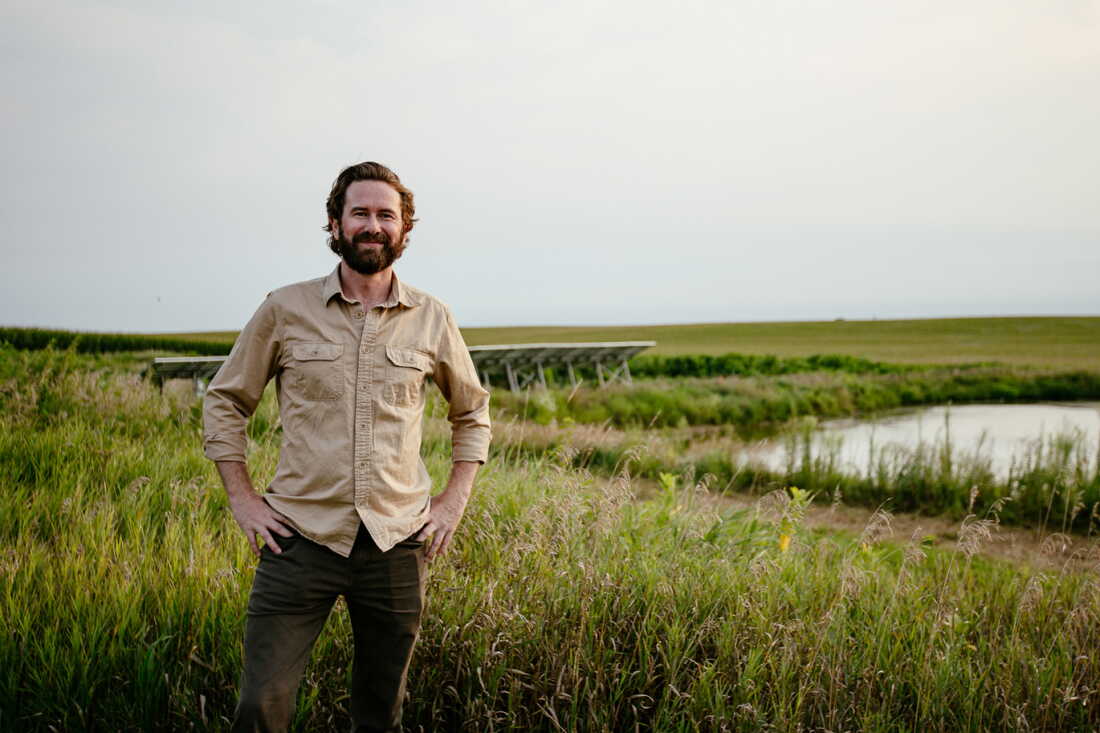
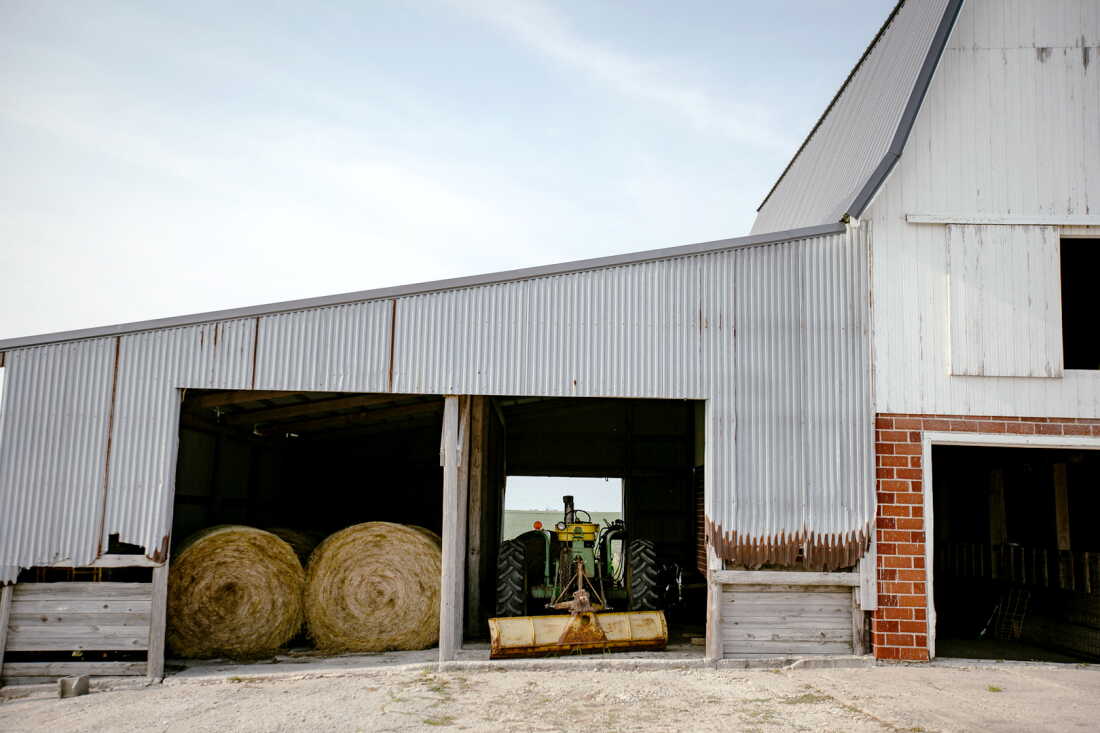
For decades, the Faaborg family of central Iowa raised thousands of pigs each year in two long, metal barns. The family now uses those same structures for a specialty mushroom enterprise called 1100 Farm, named for the number of hogs once confined in each barn.
The operation is the second national demonstration hub for the Transfarmation Project, an initiative launched by the nonprofit advocacy group Mercy for Animals. The project helps industrial livestock growers transition to sustainable, plant-based operations by repurposing existing infrastructure.
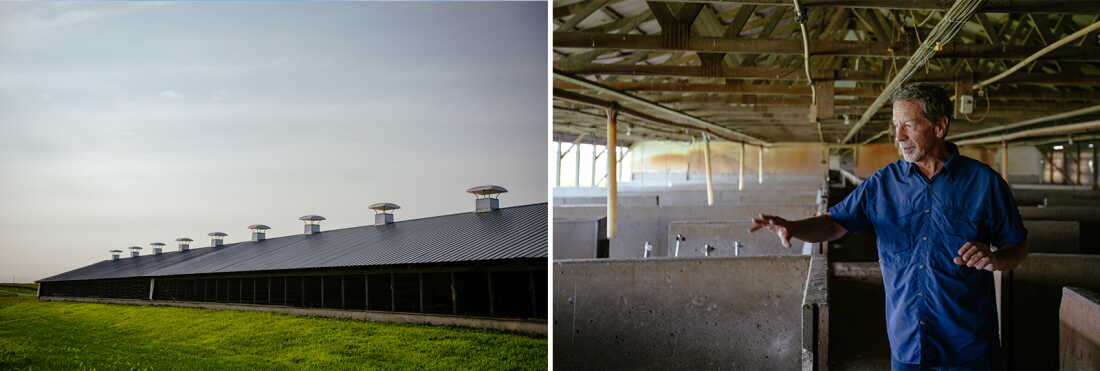

In the heart of the U.S. Corn Belt, Iowa remains the nation’s premier pork producer, with thousands of industrialized facilities known as Concentrated Animal Feeding Operations, or CAFOs. Under the prevailing contract farming model, multi-billion-dollar meat conglomerates own the animals and feed. Independent growers take on the long-term debt of constructing specialized facilities, perform the daily labor, and assume liability for millions of gallons of waste.
Rand Faaborg bought the family’s 25-acre homestead with his wife, Tammy, in the 1980s. After a brief and unsuccessful attempt to raise independent market hogs, he turned to contract swine feeding to supplement his income as a welder. The family eventually borrowed $400,000 to build two state-of-the-art barns with automated feeder lines and waste removal systems.
It took 12 years of continuous operation to pay off that debt. Although the business was initially profitable, Rand Faaborg said his wages as a welder increased tenfold over a 35-year period while his net income from raising hogs fell by two-thirds.
The number of large CAFOs in Iowa rose from 789 in 1990 to 4,444 in 2025, according to an analysis by the Environmental Working Group, an organization that tracks agricultural trends and advocates for CAFO regulation. Including small- and medium-sized facilities, EWG estimates that 66 percent of all CAFOs in the state housed a total of 33.4 million hogs.
Tyler Faaborg spent 25 years managing approximately 200,000 hogs annually across three Iowa counties. He initially hesitated to leave because of the steady pay, but ultimately agreed that the physical toll of the work on his body was unsustainable. The family’s search for another path came as managing thousands of hogs grew more demanding and profit margins declined amid market consolidation.
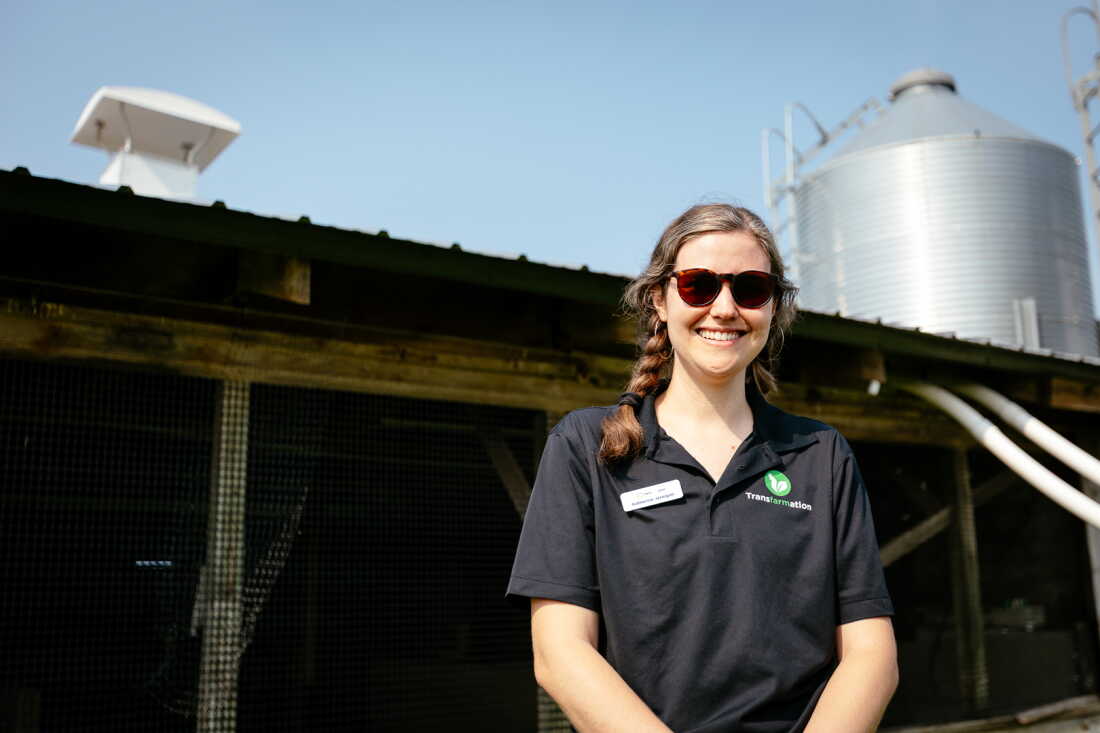
“We primarily work with industrial animal farmers to help them transition out of that way of farming and into sustainable practices,” said Katherine Jernigan, director of the Transfarmation Project. She emphasized that repurposing existing infrastructure makes the project viable for indebted farmers.
Rather than bulldozing highly specialized structures and leaving farmers with hundreds of thousands of dollars in stranded debt, the project supplies open-source blueprints for retrofits. The Faaborgs completed the initial phase of their conversion this summer, turning half of one 200-foot-long hog barn into a climate-controlled, sanitized environment optimized for fungi.
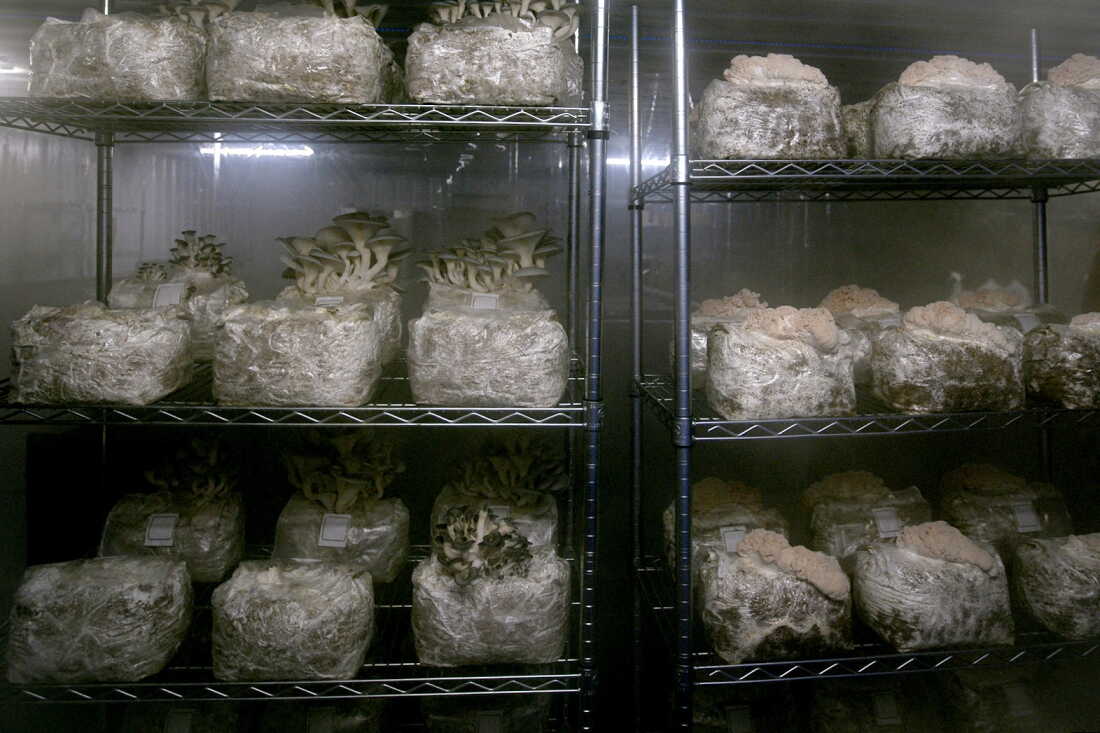
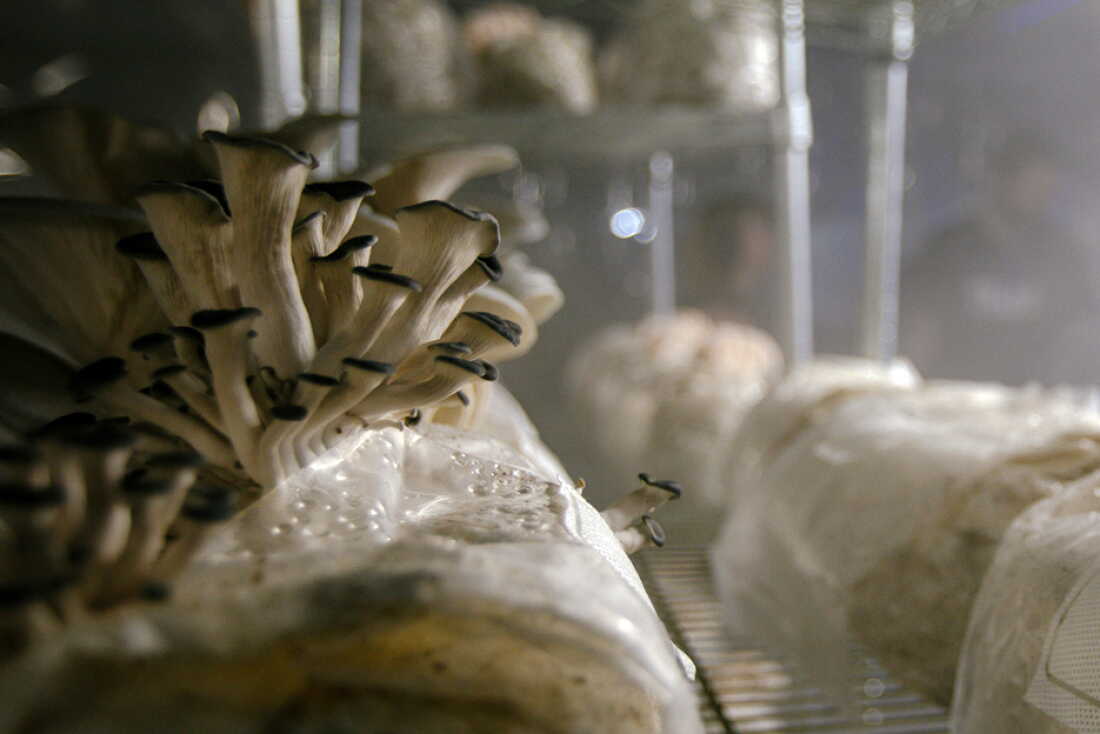
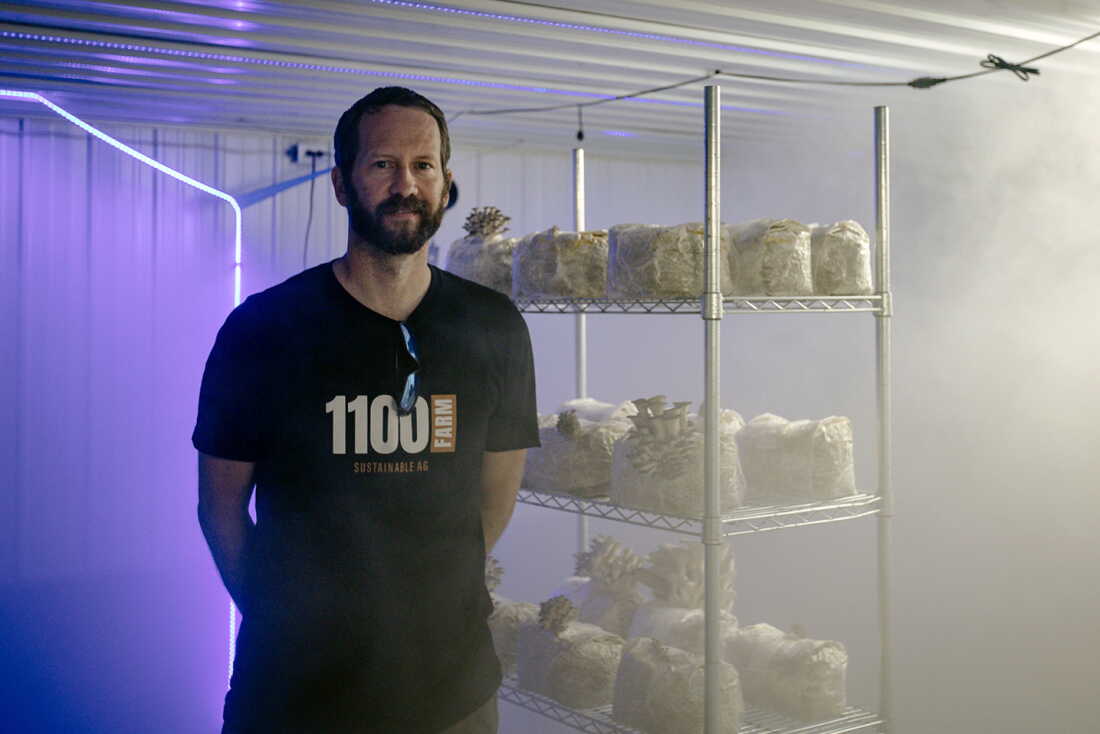
Inside a dedicated “fruiting room,” heavy plastic curtains separate long shelves of sprouting mushrooms from the rest of the barn. Automated systems pump thick fog over the shelves. Specialty varieties such as lion’s mane begin as pinkish growths before maturing into dense, white, bulbous clusters.
The converted barn has an atmosphere sharply different from the dust and ammonia of a functioning swine operation. To control production costs, the family makes its own substrate blocks instead of buying them pre-made. The blocks use a 50-50 mix of soy hulls and hardwood pellets, creating the nutrient-rich medium needed for high-yield harvests.
The Transfarmation Project gave the Faaborgs a $15,000 grant in 2023 to start a yearlong mushroom cultivation pilot. The family invested approximately $35,000 in initial site preparations, equipment, branding, and marketing.
The Faaborgs have entered a four-year, $216,000 contract with the organization as its second national demonstration hub. The first was a former commercial poultry farm in North Carolina. Under the agreement, the family tracks and publicly shares operational and financial data, including labor hours, startup costs, and product margins, for other farmers considering the transition.
During its peak as a CAFO, the Faaborg farm produced roughly one million gallons of liquid manure each year. The waste was stored in an open-air pit and hauled away by local row-crop farmers, who spread it on corn and soybean fields.
The EPA says liquid manure storage facilities are major sources of methane, a greenhouse gas up to 36 times more potent than carbon dioxide at trapping atmospheric heat over a century-long timescale. Runoff from concentrated manure applications is also a primary contributor to high nitrate levels in Midwestern waterways, which fuel the massive hypoxic “dead zone” in the Gulf of Mexico.
A conservation grant from the USDA’s Natural Resources Conservation Service helped the Faaborgs remediate and close the open-air manure pit. It was transformed into a freshwater pond that supports local wildlife, including ducks and frogs.
The family is also “rewilding” the rest of the 25-acre property. Native prairie grasses and wildflowers have been planted for pollinator habitats, the fruit orchard has been expanded, and hundreds of native trees and shrubs have been added along the creek that bisects the land to prevent erosion and filter runoff.
Tanner Faaborg has a background in urban sustainability and served on the steering committee for Des Moines’ climate action plan. He said the spread of industrialized animal agriculture has contributed to rural depopulation as small, family-owned farms are absorbed or consolidated into corporate operations and local businesses, schools, and communities decline.
1100 Farm currently sells specialty mushroom products including tinctures, coffee blends, and flavored salts. The Faaborg family plans to expand into commercial wholesale markets and is exploring a conversion of the second empty hog barn, potentially for microgreens.
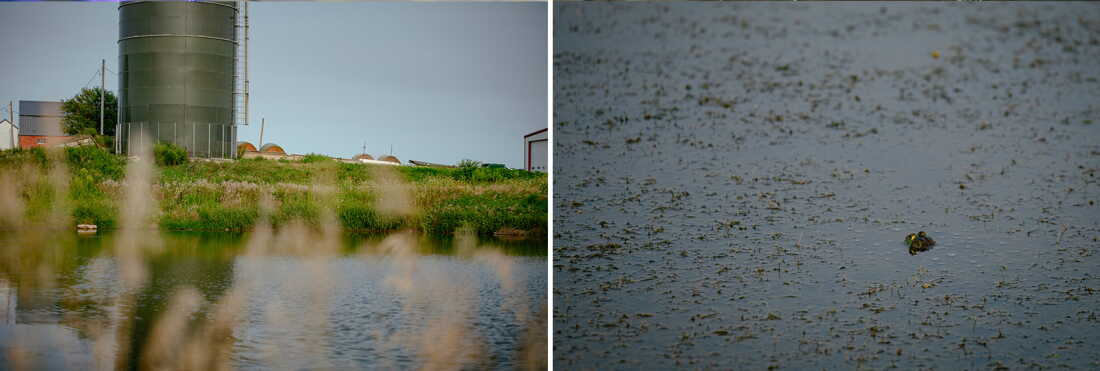
They also plan to repurpose an empty grain silo into eco-tourism lodging to bring visitors and economic activity back to the rural Iowa landscape.