California’s Home Restaurant Boom Runs Into Neighborhood Pushback
More than 400 permitted home kitchens face the limits of residential streets and private community rules
Los Angeles County joined California’s Microenterprise Home Kitchen Operation (MEHKO) program in May 2024, allowing residents to prepare and sell food from their residential kitchens. Since the county Department of Public Health began issuing permits, more than 400 home operations have been approved.
The program’s legal foundation is Assembly Bill 626, signed by the state legislature in 2018 after years of advocacy by community organizations including The COOK Alliance. Assembly Bill 1325, passed in 2023, later raised the annual gross sales cap to $100,000, adjusted annually for inflation, and increased the maximum to 30 meals per day and 90 meals per week.
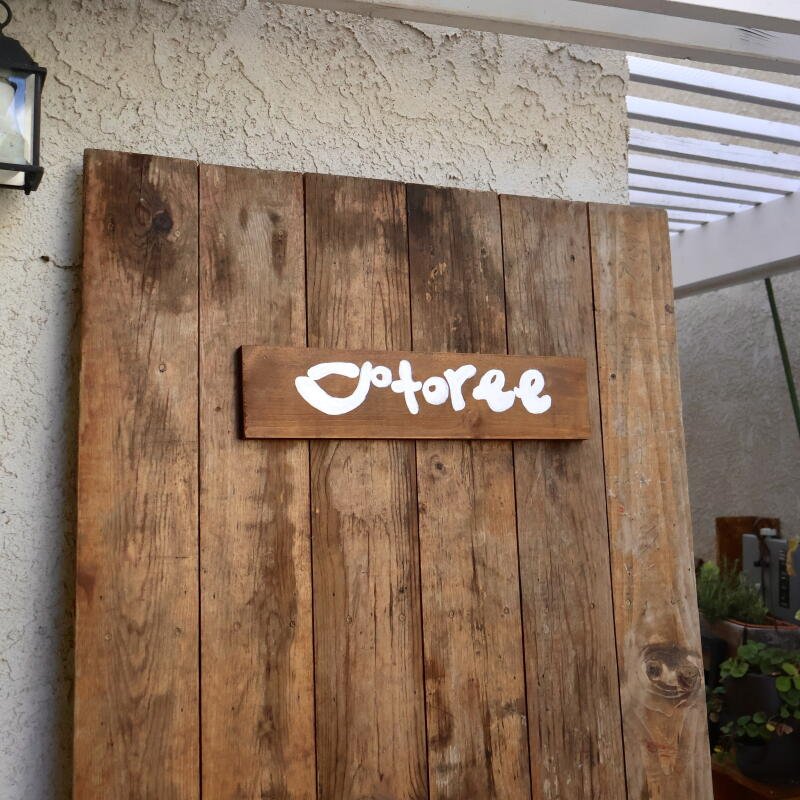


MEHKOs must follow state and county health codes. Operators cannot place physical commercial signs on front lawns, serve food prepared before the day of sale even when it has been properly refrigerated, or disregard sanitation and storage requirements.
Public health authorization does not override private property agreements. Under California law, Homeowners Associations (HOAs) can enforce private Covenants, Conditions, and Restrictions (CC&Rs), leaving permitted home kitchens subject to community rules.
That conflict ended the operation of Dotoree Coffee Roaster on Oakwood Lane in La Mirada, next to Oak Creek Park. Daniel Jung, a pastor at a local Korean American church, opened the home-based coffee shop in April with his wife, Sun Park.
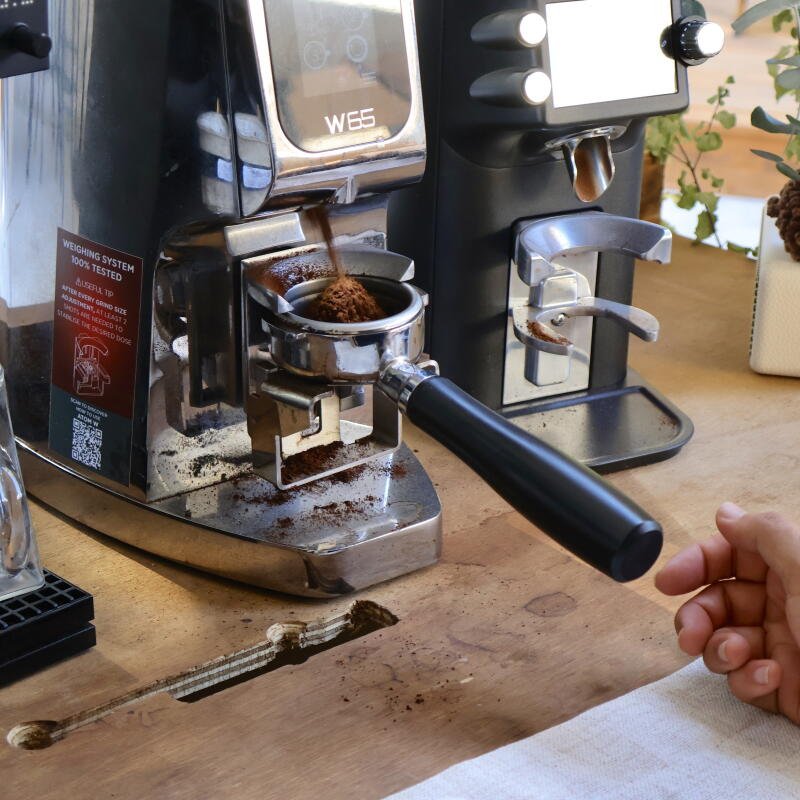
Jung and Park immigrated to the United States from Seoul in 2000 and developed Dotoree as a family enterprise. Jung had spent 10 years refining coffee-roasting techniques and used a Bellwether machine to process raw green beans from Ethiopia, Brazil, and Colombia.
Dotoree offered two signature blends: the Oakwood blend and La Mirada Sunset, a decaffeinated blend served within a week of roasting. Its specialty drinks included a black sesame latte and an orange con panna made with espresso topped by orange-infused cream.
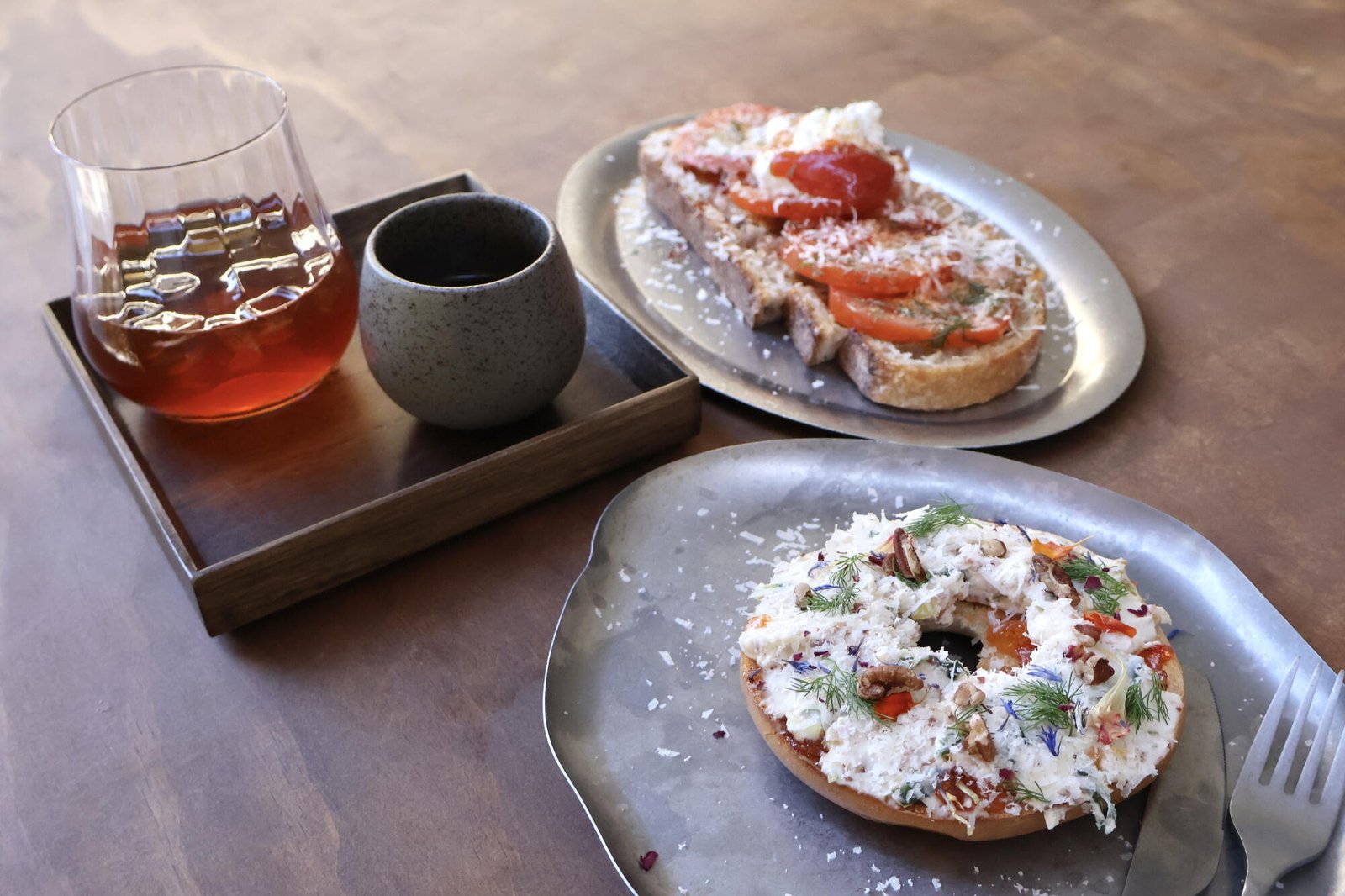
Park oversaw food operations and drew inspiration from contemporary South Korean bakeries. The menu included banana French toast, tomato toast made with sourdough from 6100 Bread in Santa Ana, and a “spring garden bagel” with house-made bacon scallion cream cheese.
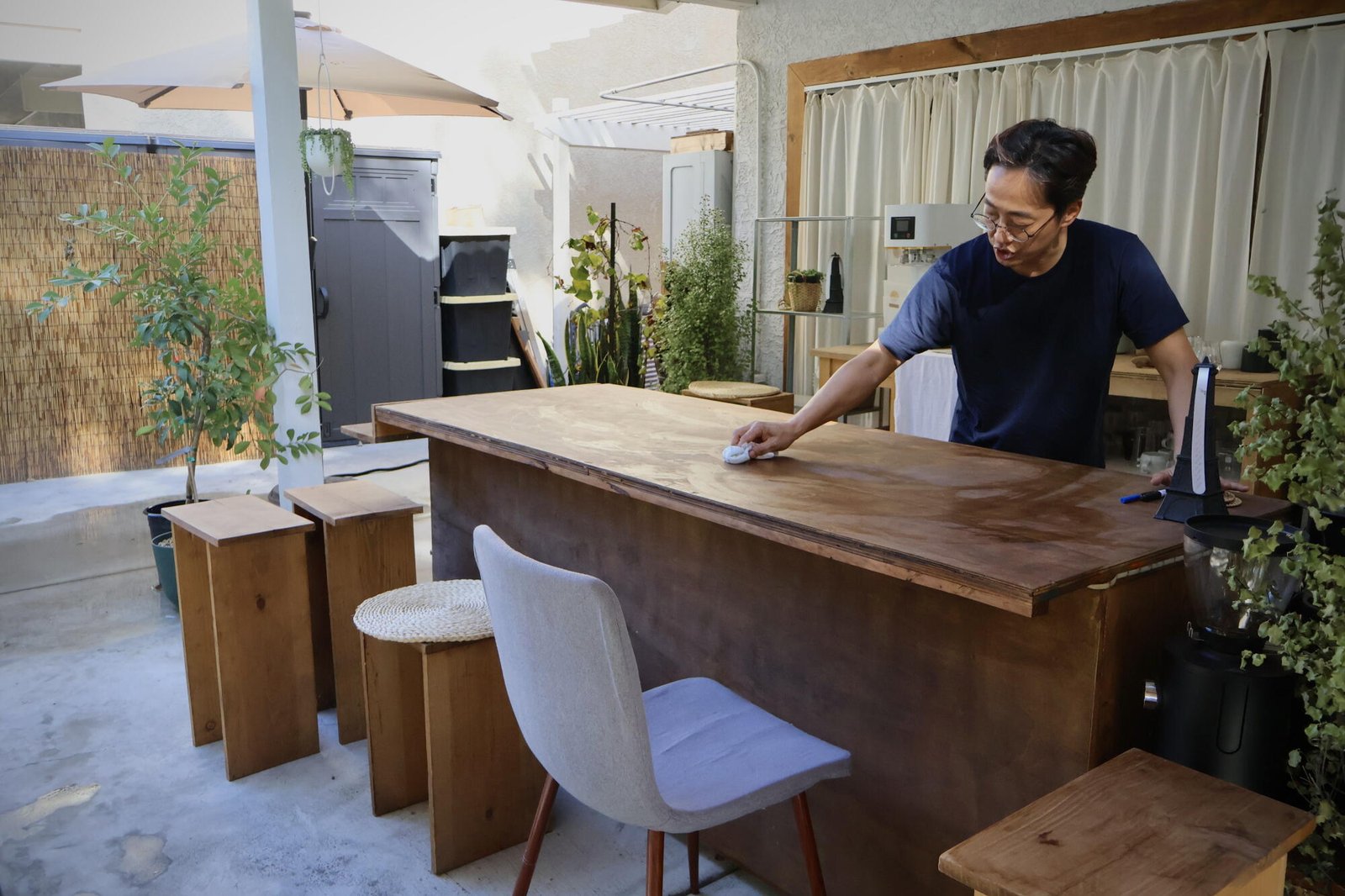
The family built custom wooden furniture for the backyard, including stools, benches, and pyeongsang, traditional elevated wooden platforms used for outdoor communal dining. Customers could sit on an elevated platform overlooking the nearby park.
Social media posts went viral within weeks of Dotoree’s opening, bringing visitors from across Los Angeles and Orange counties to the residential cul-de-sac. On peak weekends, dozens of people arrived at once, daily sales reached approximately 200 items, and three of Jung and Park’s five children helped with preparation and customer service.
Residents reported curb-to-curb parking on Oakwood Lane, heavier foot traffic through the suburban blocks, and vehicle overflow near Oak Creek Park. Some posted temporary “no parking” notices near mailboxes to protect vehicle access.

In June, leaders of the local homeowners association contacted Jung and said the community’s CC&Rs required structures within the planned development to be used exclusively for residential purposes. Jung had not consulted the HOA board before opening Dotoree.
Los Angeles County public health officials indicated that Jung could potentially challenge the closure request through legal channels. The family instead permanently halted operations on June 29 to avoid further discord with neighbors.
Visitors still came to the Oakwood Lane residence in early July, including travelers from areas such as La Cañada Flintridge. Jung gave complimentary coffee to people who remained outside while explaining that the operation had ended.
Other viral MEHKO businesses in Los Angeles County have faced crowding without closing. Granada, a home café operated by Sydney Wayser and Isaac Watters in Echo Park’s Angelino Heights neighborhood, opened in January and immediately drew crowds to its residential street.
After complaints about traffic and crowds were submitted to the county health department, Wayser and Watters changed Granada’s schedule to Wednesday through Friday. The schedule was intended to prevent meal-count overruns and regulate street traffic. They also held neighborhood-only gatherings as part of their community outreach.
Jung and Park have found new employment and are searching for a traditional commercial brick-and-mortar retail location in the area. If they temporarily restart home operations under the MEHKO framework, Jung said they plan to use a strict reservation system limiting attendance to 20 customers at a time to comply with neighborhood traffic boundaries and county meal limits.