

California Republicans Quietly Break From Trump as Redrawn Districts Tighten Races
Redrawn districts push GOP candidates toward local issues and moderate voters
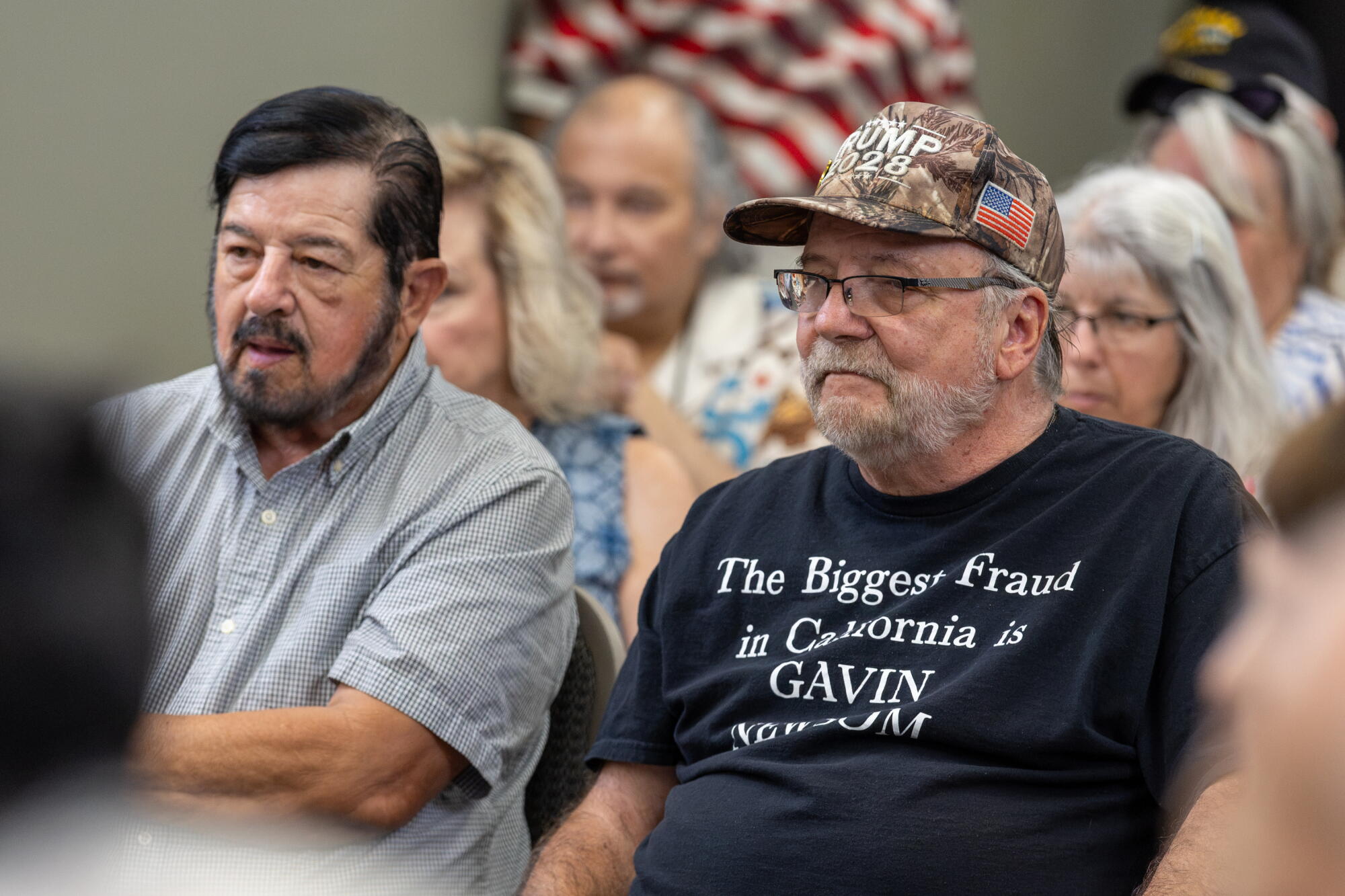
With the November 3 midterm elections approaching, California Republicans in the most competitive House races are prioritizing localized platforms over executive-level loyalty tests. The redrawing of California’s congressional map has turned some of the state’s most critical battlegrounds into moderate, highly competitive territory.
Under Proposition 50, which revamped the state’s legislative and congressional borders, districts that once leaned reliably conservative have become significantly more purple. Republican hopefuls are now courting independent voters and moderate Democrats increasingly alienated by the administration’s national performance.
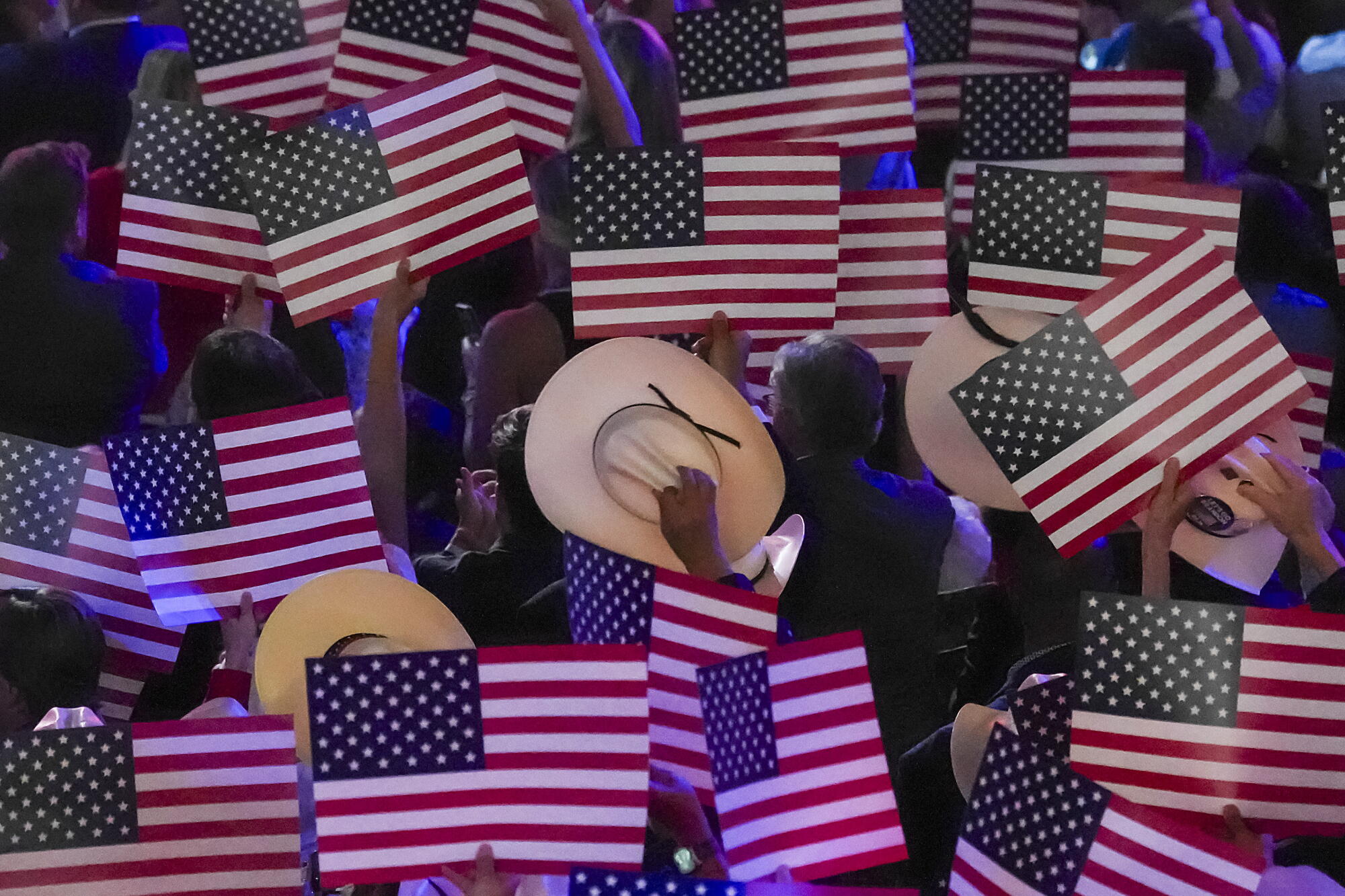


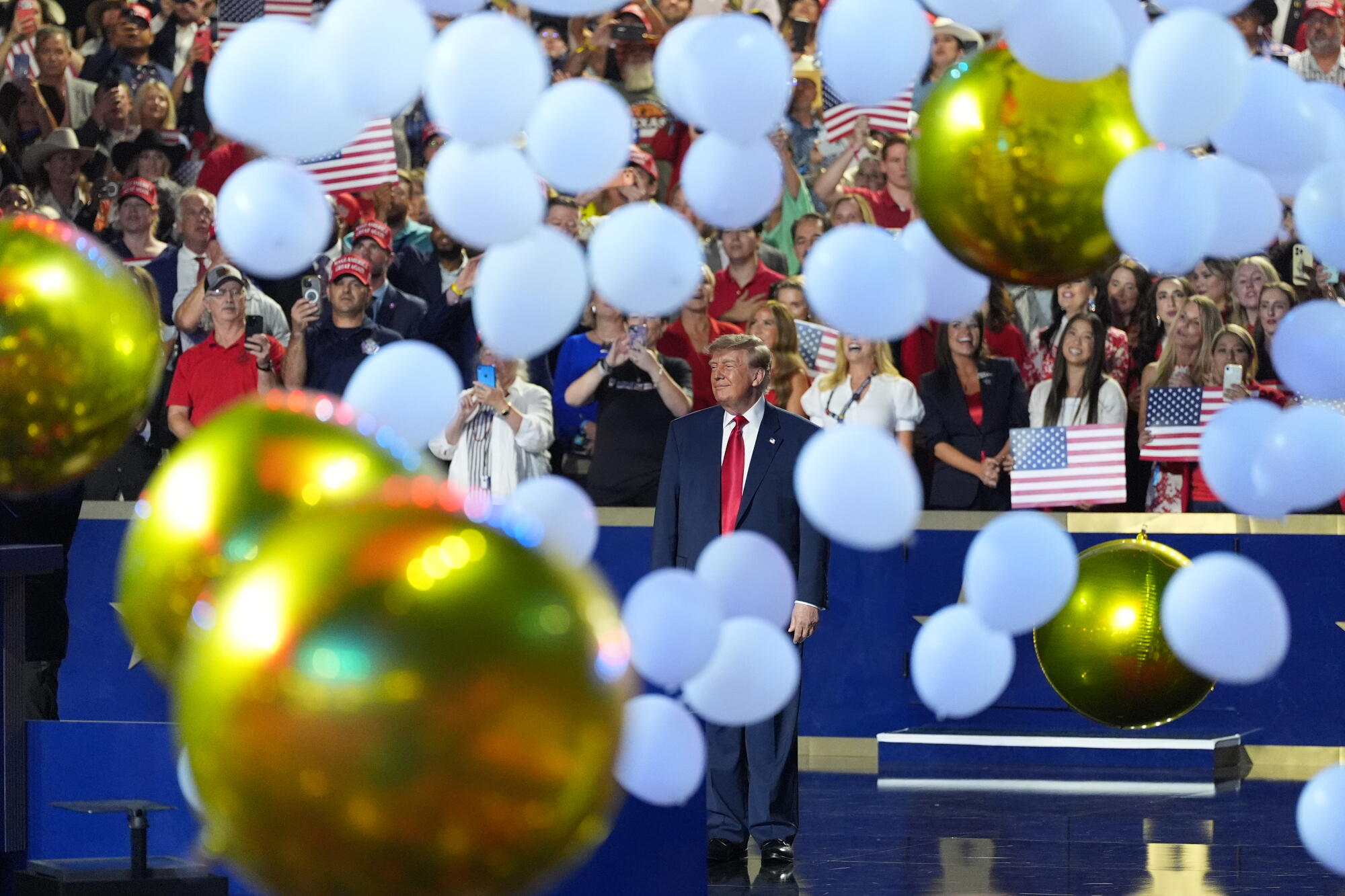
President Donald Trump has urged Republicans to make the midterms a personal referendum. Speaking at the Republican midterm convention in Dallas, Texas, Trump told his supporters: “You’ve got to do me the biggest favor you’ve ever done me. You’ve got to do this for me: You have to pretend I am on the ticket,” Trump told the crowd. “Pretend I am on the ticket because this is going to turn out to be one of the most important elections.”
Rob Stutzman, a veteran California-based Republican political consultant, described the candidates’ approach as “a bit of jujitsu.” He said they hope the president’s brand will still activate the conservative base to turn out while their active campaigning concentrates on moderate independents who currently disapprove of the administration’s direction.
Fresh polling has underscored the headwinds facing the GOP in California. A survey conducted Sept. 4-10 by the Public Policy Institute of California (PPIC) found that a majority of likely voters would back the Democratic candidate if the election were held immediately. A larger share of self-described independent voters also preferred Democrats over Republicans in key congressional districts.
According to Pete Peterson, dean of the Pepperdine University School of Public Policy, the newly redrawn boundaries are the primary catalyst for the distance from Trump. “To the degree that Republican candidates are distancing themselves, they’re understanding that they’re actually appealing to newer electorates,” Peterson said, pointing out that the state’s purple districts demand a more moderate, localized approach.
Steve Hilton, a former television host and policy advisor running as a Republican candidate for California Governor, has addressed voter skepticism directly. His campaign recently sent voters a fundraising text message that said: “We get it. Maybe you don’t like Trump. Maybe you can’t stand MAGA.”
In Southern California’s highly competitive Orange County, Rep. Young Kim is in a tight contest with fellow Republican Rep. Ken Calvert. After the primary, Kim’s campaign removed the “America First” slogans and direct references to Trump that had previously anchored her website.
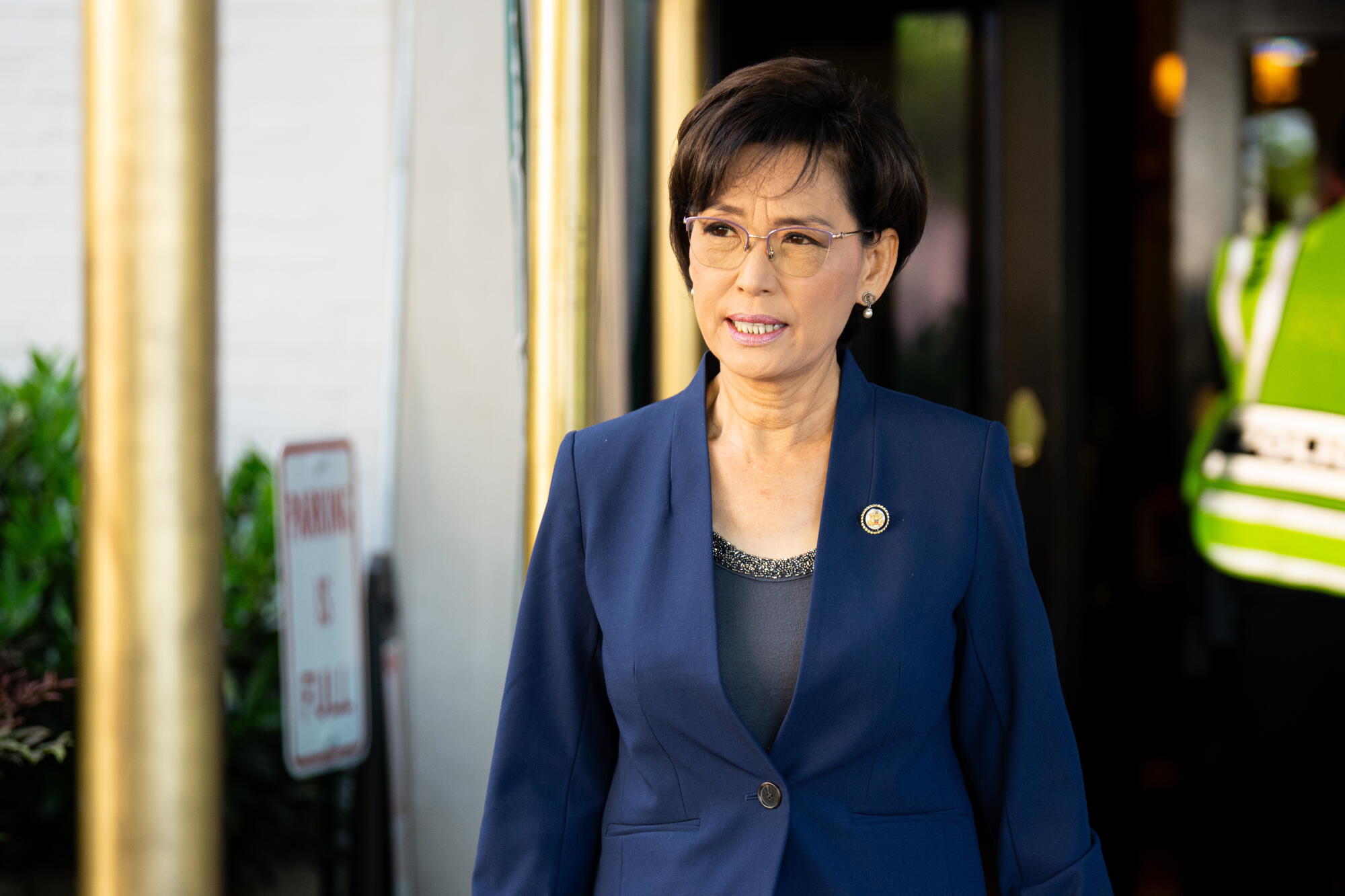
Chris Pack, a spokesperson for Kim, defended her overall record of delivering results for Southern California. He deflected questions about the website’s visual and textual scrubbing, instead framing the race as a localized choice between Kim and her opponent’s specific record.
In Northern California, Assemblyman and congressional candidate James Gallagher removed Trump’s official endorsement from his campaign homepage. The page had previously showcased Gallagher’s close ties to the administration.
Rep. David Valadao, seeking reelection in the agricultural heart of the Central Valley, has focused his campaign almost exclusively on regional water infrastructure and farming. Valadao is the last remaining House Republican who voted to impeach Trump following the January 6 Capitol riot to still hold office, and he rarely mentions the president on his official social media channels.
Kevin Lincoln, who is challenging Democratic incumbent Rep. Adam Gray, and Jim Desmond, who is running to succeed retiring Republican Rep. Darrell Issa, both skipped the national party convention in Dallas. Lincoln still maintains Trump’s endorsement on his website, while Desmond’s endorsement portal excludes any mention of the president’s backing.
Representatives for Gallagher, Lincoln, Desmond, and Valadao did not respond to requests for comment regarding their campaign strategies.
Rep. Kevin Kiley left the Republican Party altogether after his district was redrawn and following public disagreements with the administration over international tariffs. He has positioned himself as an independent voice while running on state-level policy critiques of Sacramento and advocating for federal artificial intelligence safeguards.
Kiley still caucuses with the GOP but has publicly stated that he will not do so if reelected. Local candidates have also been left to field concerns about grid stability, data privacy, and job loss as massive data centers and energy-consuming artificial intelligence infrastructure expand.
The regional retrenchment is unfolding as the Republican Party faces national complications. As the ruling party in Washington, the GOP is confronting classic midterm obstacles as well as the ongoing trade dispute with Canada, the armed conflict in Iran, and growing domestic friction over data centers and artificial intelligence infrastructure.
President Trump has doubled down on federal support for AI advancement and dismissed concerns over the economy. His recent proposal to issue a $5,000 cash payment to every adult U.S. citizen if Republicans maintain control of Congress has faced legal skepticism and a lukewarm reception from key party strategists.
A Washington Post analysis found that congressional Republicans nationwide have cut their social media mentions of Trump by roughly half since January. The administration continues to press lawmakers to run on its legislative record.
Trump has announced plans to spend the final month before the election campaigning for battleground candidates in 35 competitive races across states such as Texas and Alaska. California has not yet been added to his itinerary.
Democratic strategists have portrayed the localized shift as an insincere political maneuver. Anna Elsasser, spokesperson for the Democratic Congressional Campaign Committee, said, “California Republicans know their loyalty to a toxic MAGA brand is a losing strategy.” Elsasser argued that “no desperate rebrand can save them from their clear record of broken promises—from raising costs, to ripping away health care, to supporting another forever war everyone hates.”
Mike Madrid, a veteran California Republican political consultant, is skeptical that the last-minute changes will work. He argued that distancing oneself from a figure as polarizing and dominant as Trump is highly visible and difficult to execute.
“When you’re distancing yourself from the president of your own party, a man that everybody’s been championing as a political and cultural hero in those parts, I don’t think that’s subtle at all,” Madrid said.
Vice President JD Vance continues to project confidence in the national midterm platform. In an interview on the All-In Podcast, Vance asked voters for patience and more time to execute the administration’s legislative agenda: “Give us another chance,” Vance urged. “Give us another couple of years to continue to work on the amazing things that we have been doing for the past two years.”










3 Comments