

Hormuz Reopens to Global Shipping as Iran’s Trade Routes Collapse
Global shipping surges as Iran’s overland trade pivot drives costs, delays, shortages, and inflation
MANAMA, Bahrain — Iran’s domestic inflation rate has reached 90 percent, causing visible anxiety within the political establishment. Supreme Leader Ayatollah Mojtaba Khamenei has publicly expressed concern over the economic situation, while members of the domestic business community have begun urging a diplomatic resolution. A representative from the Iranian Chamber of Commerce told the *Financial Times* that “under these circumstances, there is little alternative but to find a way to restore and maintain the southern trade corridors” through the Gulf.
A U.S. Navy-led maritime campaign has successfully reopened the strategic Strait of Hormuz to record levels of global commerce while maintaining an absolute blockade on Iranian oil exports, according to defense officials. With primary shipping lanes cleared of naval mines deployed during the hostilities, maritime traffic carrying crude oil, cargo, and liquefied natural gas (LNG) has reached its highest volume in six months.
Tehran has attempted to shift its trade network entirely overland, redirecting cargo through border crossings with Turkey, Pakistan, Afghanistan, Iraq, and Turkmenistan. The sudden influx of thousands of cargo trucks has overwhelmed regional border infrastructure, which was not designed to process such high volumes of freight.


Admiral Brad Cooper, commander of U.S. Central Command (CENTCOM), announced that coalition naval forces have secured the transit of more than 1 billion barrels of oil through the strait over the past two months. Working with international partners, the U.S. Navy has assisted more than 2,000 commercial vessels navigating the waterway, which serves as the transit corridor for approximately 20 percent of the world’s petroleum liquids.

The overland pivot has proved financially and structurally unsustainable. Majidreza Hariri, head of the Iran-China Joint Chamber of Commerce, reported that shipping a single container by sea between Iran and China historically cost approximately $3,000, while rerouting the same cargo via overland corridors inflates the cost to $12,000. Iran’s ports typically process roughly 2 million containers annually, and Hariri estimated that relying on land routes will cost the country an additional $18 billion per year in transportation expenses alone.
At a single crossing along the Turkish border, approximately 3,700 trucks were reported stranded on the Iranian side. Truck drivers face wait times exceeding three weeks to clear customs, causing perishable agricultural goods to spoil and driving up transport costs. One Turkish driver transporting used cars into Iran told the *Financial Times* that return-trip delays at the border can last up to 24 days, while an Iranian trucker reported waiting 23 days at an Afghan border crossing in mid-June.
Although bilateral trade with some immediate neighbors has risen, including a 19 percent increase in trade with Turkey to $3.2 billion during the first half of the year, the physical border crossings have become severe bottlenecks. On the northeastern border with Turkmenistan, efforts to use rail cargo networks have been stymied by a lack of warehouse space and inadequate registration infrastructure, according to the *Wall Street Journal*.
Hariri warned that without a restoration of maritime shipping corridors, the Iranian economy will eventually “grind to a halt.” Data from Iranian customs show that for the five-month period ending August 22, overall non-oil exports fell 28 percent year-over-year to $15 billion, while imports dropped 26 percent to $17 billion.
The blockade has also cut off foreign imports of refined products, including gasoline. Despite possessing some of the world’s largest proven crude oil reserves, Iran has historically suffered from limited domestic refining capacity because of long-term technological constraints and lack of investment. The country has consequently depended on foreign imports for refined products. Severe domestic shortages have forced the government to implement sharp price hikes to curb fuel consumption.
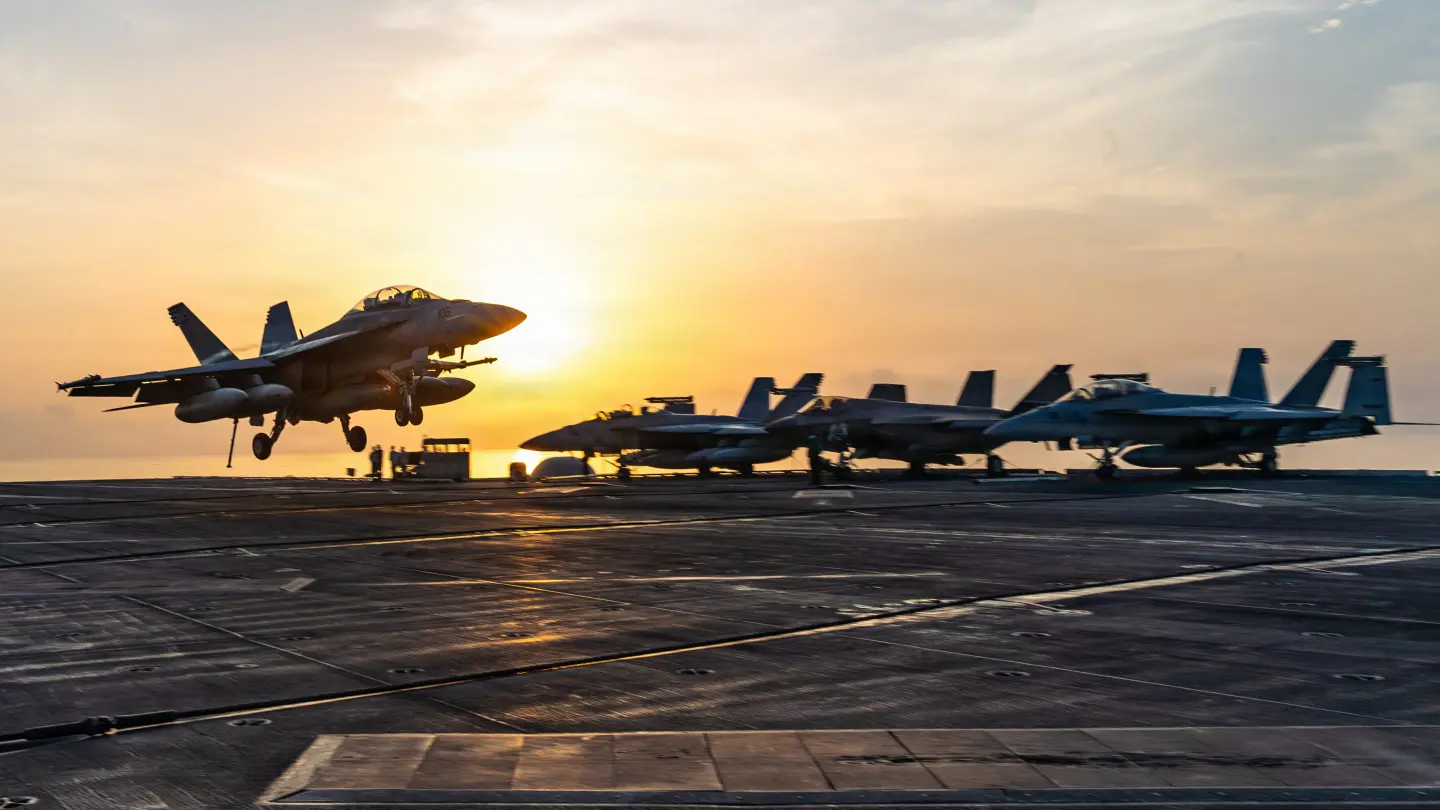
The enforcement of the embargo relies on persistent naval patrols and aerial surveillance in the Persian Gulf and Arabian Sea, utilizing carrier strike groups to monitor shipping lanes. To ensure compliance with the embargo, U.S. Central Command redirected 109 commercial vessels. The maritime cordon has effectively severed Iran’s access to its southern Persian Gulf ports, such as Bandar Abbas and Chabahar, which historically handled more than 80 percent of the country’s total import and export tonnage.
“And Iran has exported zero barrels thanks to our ironclad blockade,” Cooper said. The campaign has reopened shipping for international crude oil, cargo, and LNG traffic while keeping Iranian oil exports blocked.
U.S. President Donald Trump has signaled that the administration plans to maintain the blockade to force an end to the conflict through economic leverage. Geopolitical analysts caution that the strategy faces domestic and regional challenges. Iran’s highly centralized security apparatus remains capable of suppressing domestic unrest stemming from economic deprivation, and the regime may be prepared to endure prolonged economic isolation on the calculation that it can outlast the political tolerance of the American public for elevated global energy prices.









